Khaberni - Poppy has been a controversial plant for thousands of years, due to its various uses as both food and medicine, and also due to its association with some health risks when misused.
In this article, we delve into what poppy is, its types, the health benefits of poppy, as well as its risks and effects on the body, clarifying the reality of poppy seeds and their common uses.
What is poppy?
Poppy is an herbaceous plant belonging to the poppy family, scientifically known as Papaver. It grows in various regions around the world and is famous for its beautiful flowers, especially in red, white, and violet.
Some types of poppy are used in pharmaceutical industries, while poppy seeds are widely used in cooking and baking, especially in European and Asian cuisines.
It is important to differentiate between:
• Food-used poppy (the seeds)
• Medically or narcotically used poppy (the sap)
• Poppy seeds and their uses
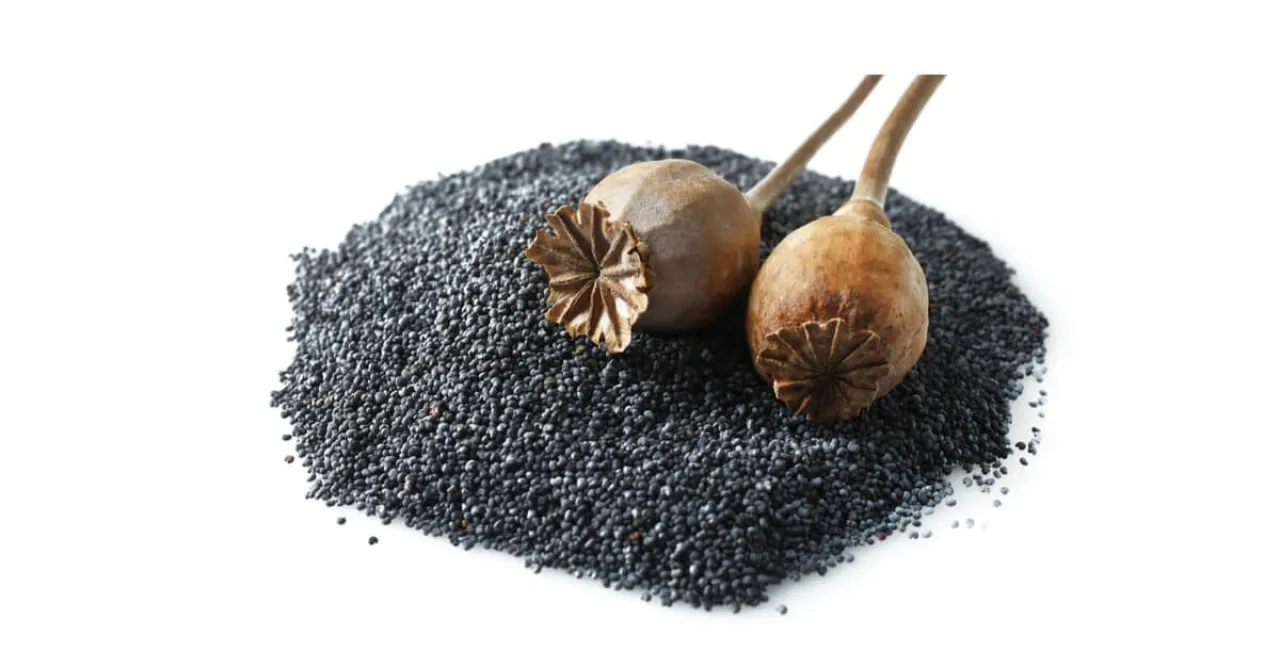
Poppy seeds are the safest and most commonly used part in everyday use, where they enter:
• Baking and pastries
• Decorating desserts
• Some traditional dishes
These seeds are notable for their small size and high nutritional value, and they do not cause a narcotic effect when consumed in natural quantities.
Poppy health benefits
When discussing poppy and its health benefits, focus should be on its seeds, due to their beneficial nutritional content. Key benefits of poppy include:
1. Supporting digestive health
Poppy seeds are rich in dietary fiber, which helps to:
• Improve bowel movement
• Prevent constipation
• Promote healthy digestion
2. Strengthening bones
Poppy seeds contain important minerals such as:
• Calcium
• Phosphorus
• Magnesium
These elements are essential for maintaining strong bones and teeth.
3. Improving heart health
Among the benefits of poppy is that it contains healthy unsaturated fats that help to:
• Reduce harmful cholesterol
• Support vascular health
• Reduce the risk of heart diseases
4. Supporting the nervous system
Certain compounds in poppy seeds contribute to:
• Calming the nerves
• Improving sleep quality
• Reducing stress when consumed in moderation
5. A good source of energy
Thanks to their protein and healthy fat content, poppy seeds are a good source of energy, especially for athletes or those who exert significant physical effort.
The risks and potential dangers of poppy
Despite its various benefits, the risks of poppy on the body cannot be ignored, especially when misused or when different types are mixed.
1. Narcotic effects
Certain types of poppy contain opiate compounds that may lead to:
• Addiction
• Severe lethargy
• Disorders in the nervous system
These types are not used in food at all.
2. Digestive system disorders
Excessive consumption of poppy seeds may cause:
• Bloating
• Gas
• Indigestion
Especially in people with sensitive stomachs.
3. Allergies
Some people may experience allergic reactions such as:
• Rash
• Itching
• Difficulty breathing in rare cases
4. Interference with certain medications
Among the potential harms of poppy is that it may interfere with:
• Sedative medications
• Nervous system medications
Therefore, it is advisable to consult a doctor if taking regular medication.
The difference between the benefits and risks of poppy
The main difference lies in:
• The type used
• The quantity
• The way of consumption
Important tips before using poppy
• Make sure to buy poppy seeds from a trusted source
• Do not exceed the daily amount
• Avoid using products from unknown sources
• Not recommended for pregnant women or those with nervous system disorders without medical consultation