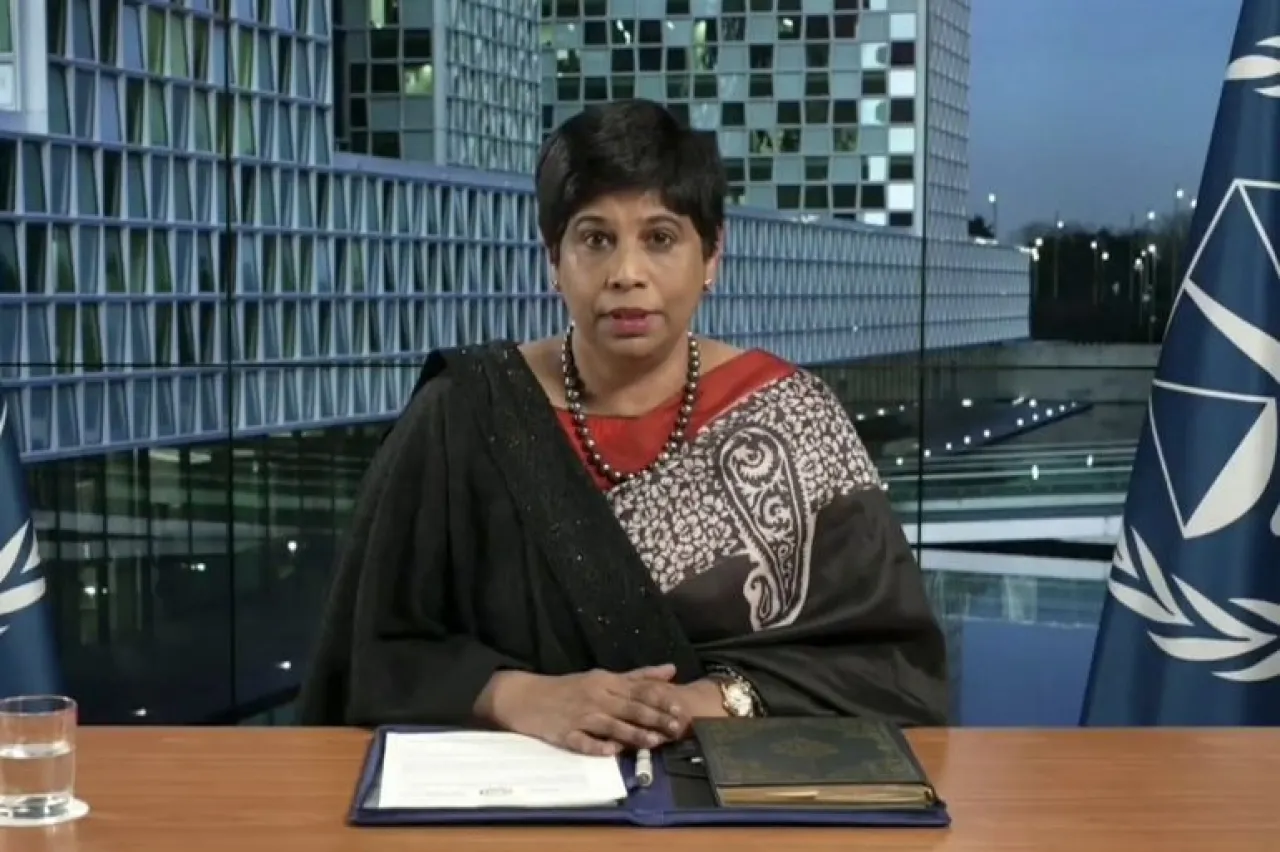
Khaberni - Nazhat Shameem Khan, Deputy Prosecutor General of the International Criminal Court, accused the Rapid Support Forces on Monday of digging mass graves to conceal "war crimes and crimes against humanity" committed in the Darfur region of western Sudan.
Shameem Khan, in a remote briefing to the UN Security Council, stated that the Office of the Prosecutor of the International Criminal Court concluded that "war crimes and crimes against humanity were committed in El Fasher" (the capital of North Darfur), particularly in late October when the siege by the Rapid Support Forces on the city peaked.
Due to American sanctions imposed on the International Criminal Court, the Deputy Prosecutor General gave her briefing via video, stating that the conclusions of the Prosecutor General were based on "audio and visual materials and satellite imagery that indicate the occurrence of mass killings, and attempts to hide these crimes by digging mass graves."
What occurred in Geneina is repeated
The Deputy Prosecutor General of the International Criminal Court considered that the "atrocities committed in the city of Geneina (the capital of West Darfur) in 2023 are repeated in El Fasher in 2025," and UN experts estimate that the Rapid Support Forces killed between 10 and 15 thousand people in Geneina, mostly from the Masalit tribe.
The Rapid Support Forces began their siege of El Fasher in May 2024 before taking full control of it in October 2025, amid accusations of committing massacres and crimes against humanity.
In November of last year, an analysis by the Humanitarian Research Lab at Yale University in the USA described "piles of materials consistent with human bodies" that were transported, buried, or burned in the city of El Fasher.
Testimonies from survivors in El Fasher after the Rapid Support Forces took control indicated targeting of civilians as they fled the city, including summary executions and sexual violence.
It is worth mentioning that the war between the Sudanese army and the Rapid Support Forces since April 2023 has resulted in tens of thousands of deaths and the displacement of at least 11 million people, creating a famine and displacement crisis considered by the United Nations as the worst in the world.