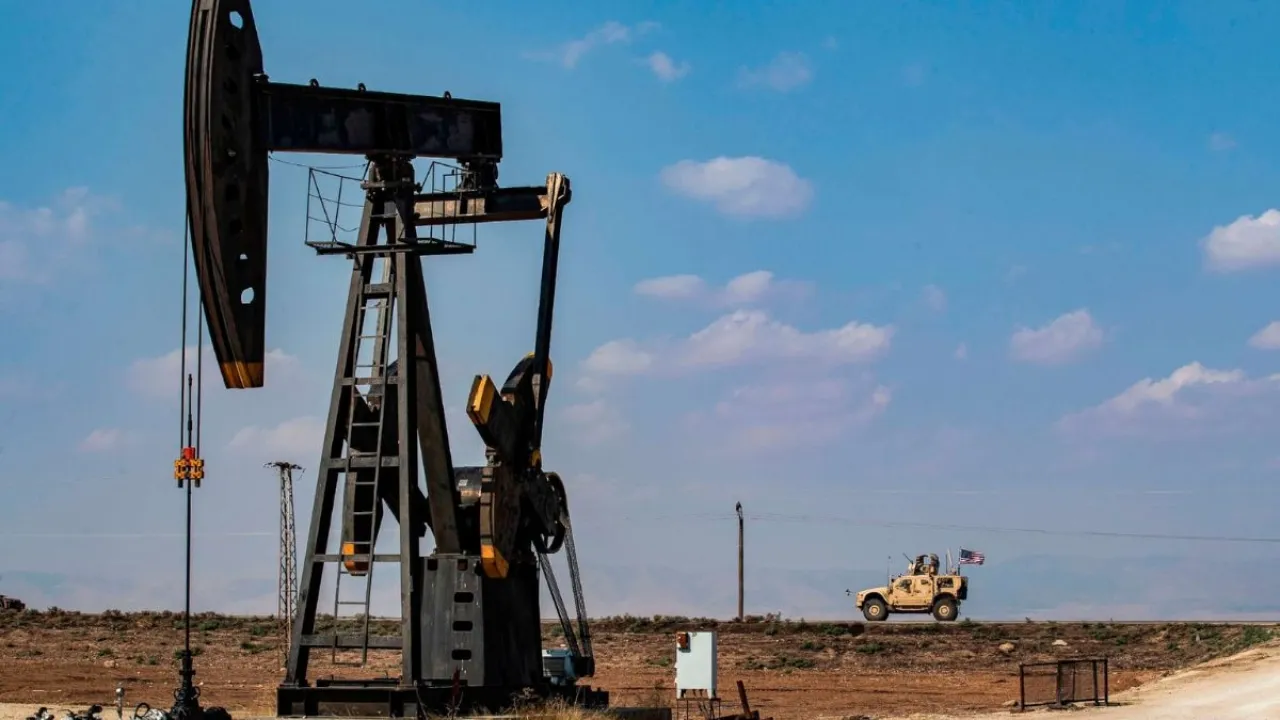
Khaberni - The Syrian arena has experienced rapid changes in recent days, especially in the Jazeera area, where the state has extended its control over the governorates of Deir ez-Zor and Raqqa, and large parts of al-Hasakah. These three governorates host most and the most important oil and gas fields there.
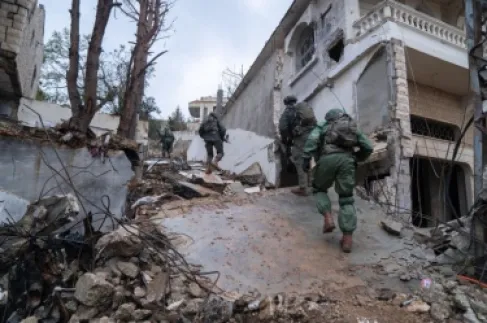
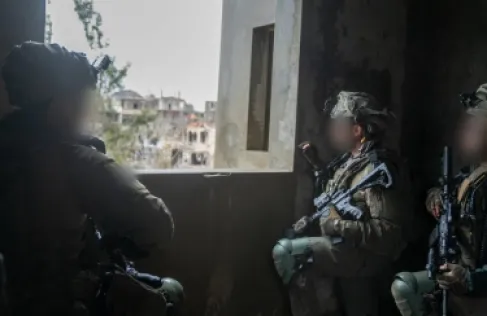
The Syrian army has controlled, during its battles with the "SDF" organization and expelling them from those areas, the Omar oil fields "the largest and most important", Tanak, Jafra, Rassafa, Safiyan, and others, in addition to the Koniko gas field.
The Syrian Petroleum Company has established an emergency operations room since the first hours of the battles to liberate these areas to monitor the reality of the oil fields and take the necessary measures to ensure their safety and operational continuity.
The Director of Corporate Communications at the Syrian Petroleum Company (SPC), Safwan Sheikh Ahmad, stated to “SANA” that protection teams were immediately directed to secure the sites, and communicate with specialized technicians to follow up on technical readiness.
Sheikh Ahmad clarified that the Thawra Fields area is considered a strategic and vital point in the Syrian energy map, as the Thawra field is not seen as a separate well, but as an administrative and logistical center of gravity that connects a group of fields spread across the Syrian desert, including Wadi Obaid field, which is one of the main tributaries to the complex, and al-Bashiri field, which forms an important link between the countryside of Raqqa and Deir ez-Zor, in addition to the Safiyan field which represents a pivotal connection point near the international road.
Major reclaimed Syrian oil fields:
1- Omar Field (Deir ez-Zor)
The "Omar" field in Deir ez-Zor governorate is the largest oil field in Syria and had a production capacity before 2011 of about 80,000 barrels per day, although its current daily production has decreased to only 20,000 barrels, according to “Global Energy Monitor”.
2- Tanak Field (Deir ez-Zor)
Located in the Euphrates oil basin east of Deir ez-Zor, the "Tanak" field had a daily production of 40,000 barrels in 2011, while today it produces only 1,000 barrels.
3 - Ward Field (Deir ez-Zor)
The "Ward" field in Deir ez-Zor is among the medium-sized fields in Syria, where it produced about 50,000 barrels per day before 2011, but today it produces 5,000 barrels per day.
4 - Teim Field (Deir ez-Zor)
The "Teim" oil field, located in southeast Deir ez-Zor governorate, used to produce about 50,000 barrels per day before 2011, while its current production is only 2,500 barrels.
5 - Sweidiyah Field (al-Hasakah)
The Sweidiyah oil field in al-Hasakah governorate is one of the most important and largest oil fields in Syria, particularly as its production before 2011 reached about 116,000 barrels per day, covering a significant portion of the local consumption, though its current production is 7,000 barrels, according to Global Energy Monitor.
Other oil and gas fields in Syria under state control include: Shaer field: 3 million cubic meters of gas per day, and 9,000 barrels of oil per day in 2011, and the Rmelan field in al-Hasakah governorate produced 100,000 barrels per day in 2011, and its production has now decreased to only 7,000 barrels, in addition to the fields of al-Yaarubiyah and Jibsah in the same governorate.
3- Koniko Gas Field (Deir ez-Zor)
Before 2011, the "Koniko" gas field located in Deir ez-Zor governorate, produced 13 million cubic meters per day, while it is now completely halted.