Khaberni - When shopping for protein powder, it can be confusing considering the multiple options and marketing claims on the packages, in addition to images of muscular animals and other misleading symbols. To better understand what you are choosing, it is useful to know some common terms on the packaging, such as Whey Protein Concentrate and Whey Protein Isolate.
What is the difference between isolate and concentrate protein?
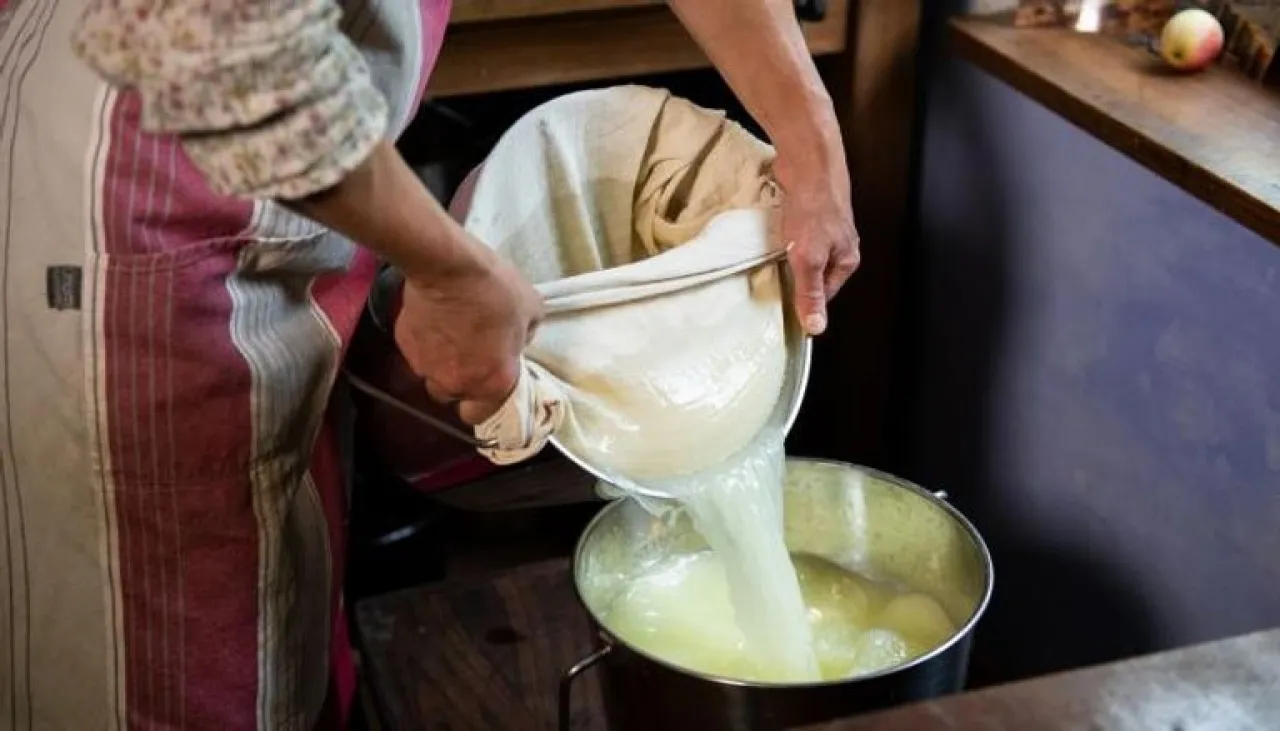
The main difference refers to the level of processing that whey undergoes. Isolate protein is more purified than concentrate, making it purer according to Professor Javier Gonzalez, a professor of nutrition and metabolism at the University of Bath, and isolate protein contains about 90% protein, while concentrate contains about 80% protein.
Therefore, concentrate contains slightly more carbohydrates and fats per serving, while isolate is more expensive. However, Professor Gonzalez states that the functional difference is minimal as long as the required amount of protein is obtained, adding that protein concentrate provides additional calories to meet the same protein amount.
For example, Myprotein’s Whey Protein Concentrate contains 22 g protein, 2.7 g carbohydrates, 1.8 g fats, and 114 calories per 30 g of powder, while Whey Protein Isolate contains 25 g protein, 1.3 g carbohydrates, 0 g fats, and 108 calories per 30 g.
An additional advantage of isolate protein is its lower lactose content due to the filtration process, making it a suitable choice for those who are lactose intolerant.
Do you need protein powder?
Protein powders are dietary supplements and should be used to compensate for a protein deficiency in a balanced diet, not as a substitute for food. Adults in the UK need about 0.75 g of protein per kilogram of body weight per day, and certain groups, such as athletes or the elderly, may benefit from higher amounts to support muscle growth and maintenance, ranging between 1.2 g and 1.8 g per kilogram.
If you are getting the recommended amount of protein from your daily food, protein powder may not be necessary, but if you are performing strength training or aiming to build muscle, isolate or concentrate protein can be beneficial for effectively enhancing protein utilization.