Khaberni - A recent scientific study has confirmed that gut bacteria, not fungi, are behind a rare syndrome that makes some people feel drunk without consuming alcohol.
The largest study of its kind to date has confirmed that bacteria, not fungi, are the primary cause of what is known as Auto-Brewery Syndrome, a rare medical condition in which some people exhibit symptoms similar to drunkenness after eating, despite not drinking any alcohol.
The researchers based their study on analyzing stool samples from 22 patients diagnosed with this syndrome, along with their unaffected cohabitants, revealing that two types of bacteria were found in higher quantities in the affected individuals, supporting the results of a previous study published in 2019.
Auto-Brewery Syndrome is rarely diagnosed, and there is no clear medical consensus on the best treatment methods yet. Despite the limited number of participants, the current study represents an important sample of patients who underwent precise tests, showing that their gut bacteria produced high amounts of ethanol when cultured in the laboratory.
The research team, led by infectious disease expert Elizabeth Hohmann of Massachusetts General Hospital and gastroenterologist Bernd Schnabl from the University of California, San Diego, pointed out that many patients move between several medical centers and are often falsely accused of secretly consuming alcohol before leaving without a proper diagnosis.
The researchers explained that the continuous rise in ethanol levels inside the bodies of the affected could lead to liver damage, in addition to causing significant social, familial, and legal issues.
This study came after the research team received a large number of requests from patients wanting to undergo tests related to this syndrome, following a 2019 study that linked Klebsiella pneumoniae bacteria with the condition, instead of the yeasts previously suspected.
The researchers compared the gut microbes of syndrome patients and their family members living in the same environment, which helped to neutralize the impact of known dietary and environmental factors on the gut microbiome.
The results showed that the bacteria isolated from patients during symptom flare-ups produced larger amounts of ethanol compared to those isolated during calm periods or from unaffected individuals, matching the alcohol levels measured in the blood at the same time.
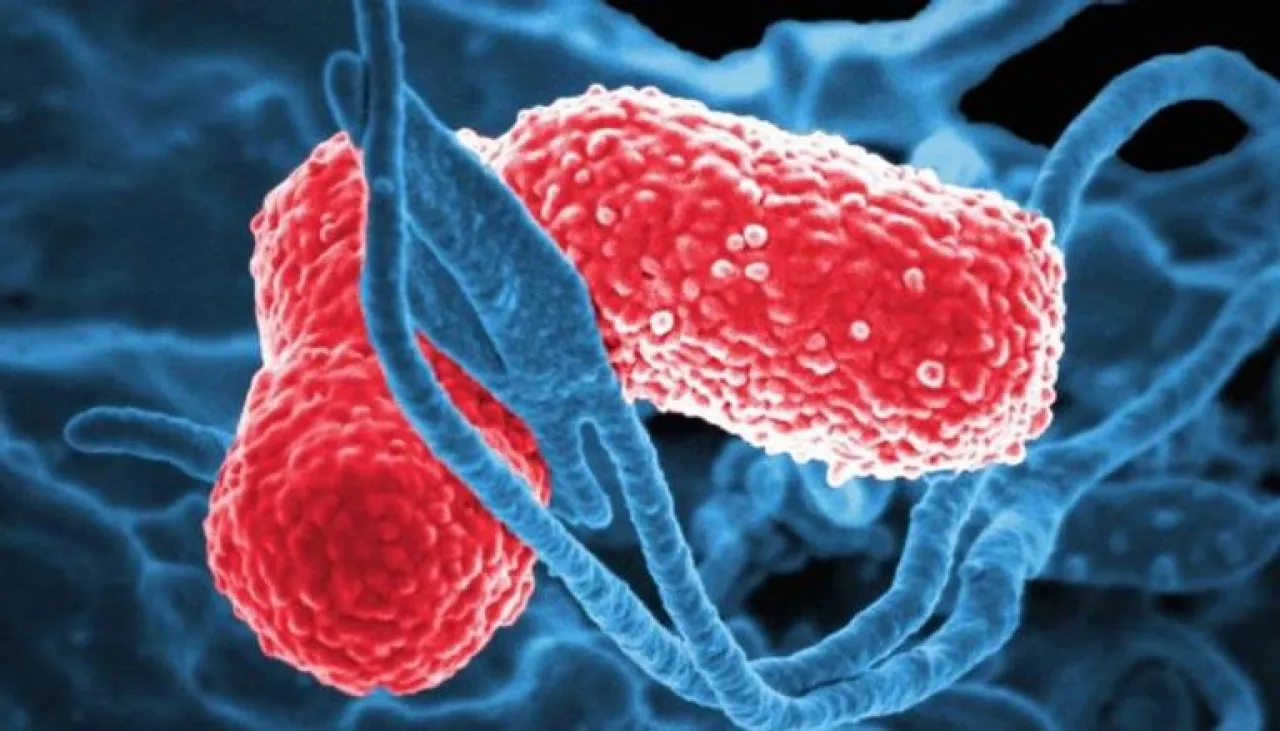
It also turned out that Klebsiella pneumoniae and Escherichia coli bacteria — both known for their ability to produce ethanol — were more prevalent in syndrome patients, with a marked increase in Escherichia coli during symptom exacerbations.
In one case, a patient's symptoms significantly improved after undergoing two fecal transplants from an unaffected donor, aimed at rebalancing the gut bacteria. According to his family, his improvement lasted for more than 16 months, and his behavior returned largely to normal.
The researchers believe that alleviating the symptoms of the syndrome might be possible through enhancing or introducing other bacterial strains capable of metabolizing ethanol efficiently, whether through dietary changes, fecal transplants, or the use of probiotics, without ruling out the role of fungi in some limited cases.
They also noted that targeting bacterial genes responsible for active metabolic pathways during improvement periods could open the door to more precise future treatments.
The study highlighted that the patients showed severe imbalances in the gut microbiome, noting that other research has linked intestinal ethanol production with conditions such as diabetes and fatty liver disease, the most common liver disease globally.
The researchers concluded their study by emphasizing that these findings raise broader questions about the prevalence of ethanol production by gut bacteria among the general public, and the potential health implications it may hold, underscoring the growing importance of the gut microbiome and its products in human health.