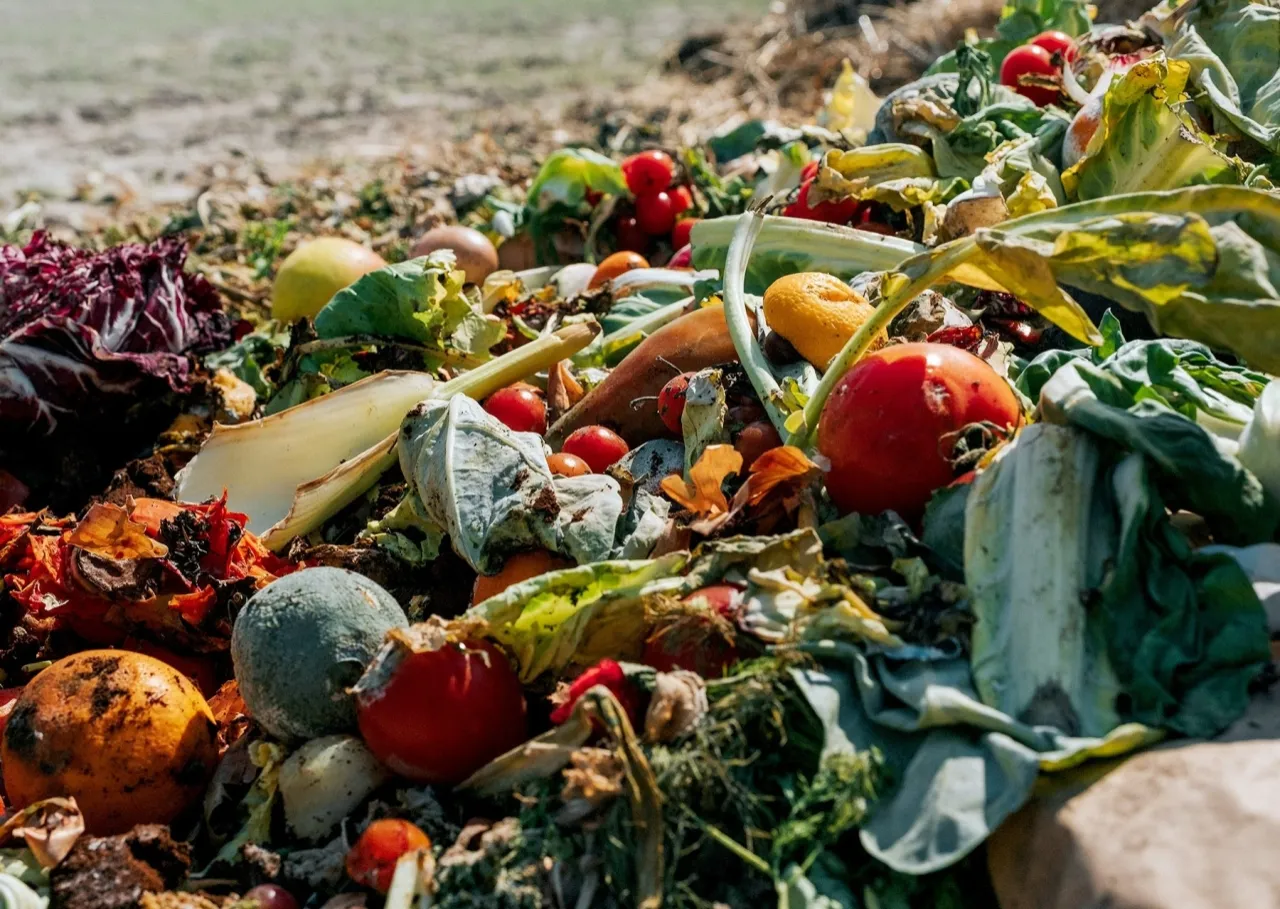
Khaberni - The World Food Programme recommended the formulation of comprehensive national policies to reduce food waste in Jordan, relying on the results of the first comprehensive national data that monitored the extent of food waste at the kingdom level, which showed that Jordanian households are the biggest source of food waste.
According to the report of the World Food Programme in Jordan, the Higher Council for Food Security, with support from the programme, released the results of three national studies that revealed for the first time the extent of food waste across multiple sectors, including households, restaurants, hotels, and hospitals, providing reliable national data to support decision-making.
The results of the studies showed that the average annual food waste per person in Jordan amounts to about 81.3 kilograms, with the household sector recording the highest percentage of total waste, highlighting the need for awareness and legislative interventions targeting food consumption patterns, according to the report.
The World Food Programme confirmed that the availability of this data represents a pivotal step towards evidence-based policies, calling for the adoption of practical measures including improving food management, enhancing community awareness, and aligning national efforts with food security and sustainability goals.
Jordan launched 3 national studies to measure food waste in Jordan, providing for the first time accurate figures in this field in sectors of households, restaurants, hotels, and hospitals.
The Secretary-General of the Ministry of Agriculture, Mohammad Al-Hayari, said in a previous statement that these studies mark a milestone in Jordan's journey towards enhancing its food security, noting that having accurate figures about the size of food waste shifts the decision-making process from the stage of estimates and impressions to data-based planning.
The study attributed the main reasons for waste in the household sector to consumption patterns and purchasing habits and poor management of food within households, necessitating future national specialized studies to monitor purchasing and food consumption behaviors in more detail.