Khaberni - It seems that the arrest of Venezuelan President Nicolas Maduro by the Americans and the death of Cubans in the incident have opened up a discussion and debate about some presidents relying on guards and advisers from other countries.
The arrest operation of Maduro from his palace in the Venezuelan capital, Caracas, after clashes with the American forces, resulted in casualties mostly from the president's guard and palace and others.
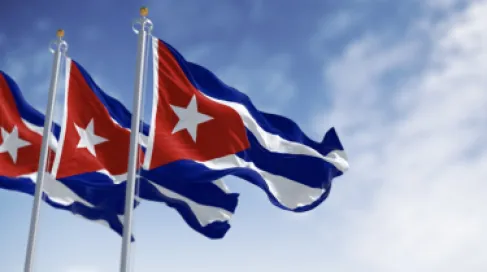
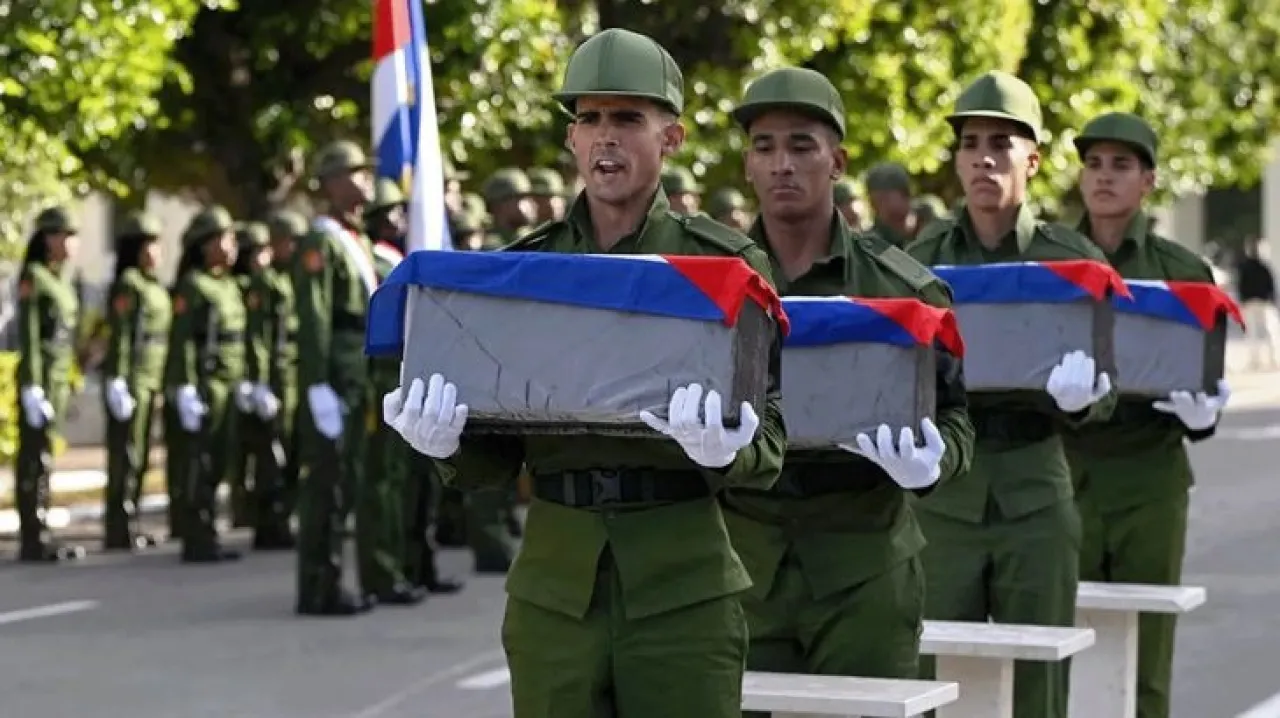
Cuba held official military funeral ceremonies to bury 32 of its army and intelligence personnel who were killed during the operation to arrest the Venezuelan president. President Miguel Diaz-Canel and senior officials were among those who attended the funerals that lasted two days.
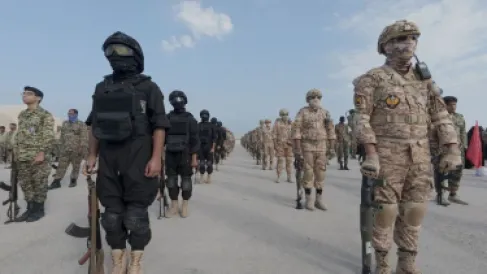
Regarding the relationship of the Cuban soldiers and officers with Maduro, media reports suggested that the detained president of Venezuela relied on Cuban security personnel as a choice stemming from a lack of trust in the Venezuelan military and security institution.
According to the same reports, after previous rebellion attempts, a belief solidified within the Venezuelan system that the most reliable protection comes from external circles that do not have familial, political, or financial ties within the country, and in this context, Cuba, a close ally, emerged prominently.
However, this approach sparked controversy within Venezuela over the years, as the opposition saw the presence of Cuban security personnel within the president’s inner circle as undermining national sovereignty and being used to tighten control over the armed forces.
It is worth mentioning that the roots of Venezuelan security cooperation with Cuba date back to the era of the late President Hugo Chavez, when Cuban advisers were introduced into the inner circle of power to fortify the regime against penetrations and coups, a path that continued during the Maduro era, becoming a fixed part of the governance structure.