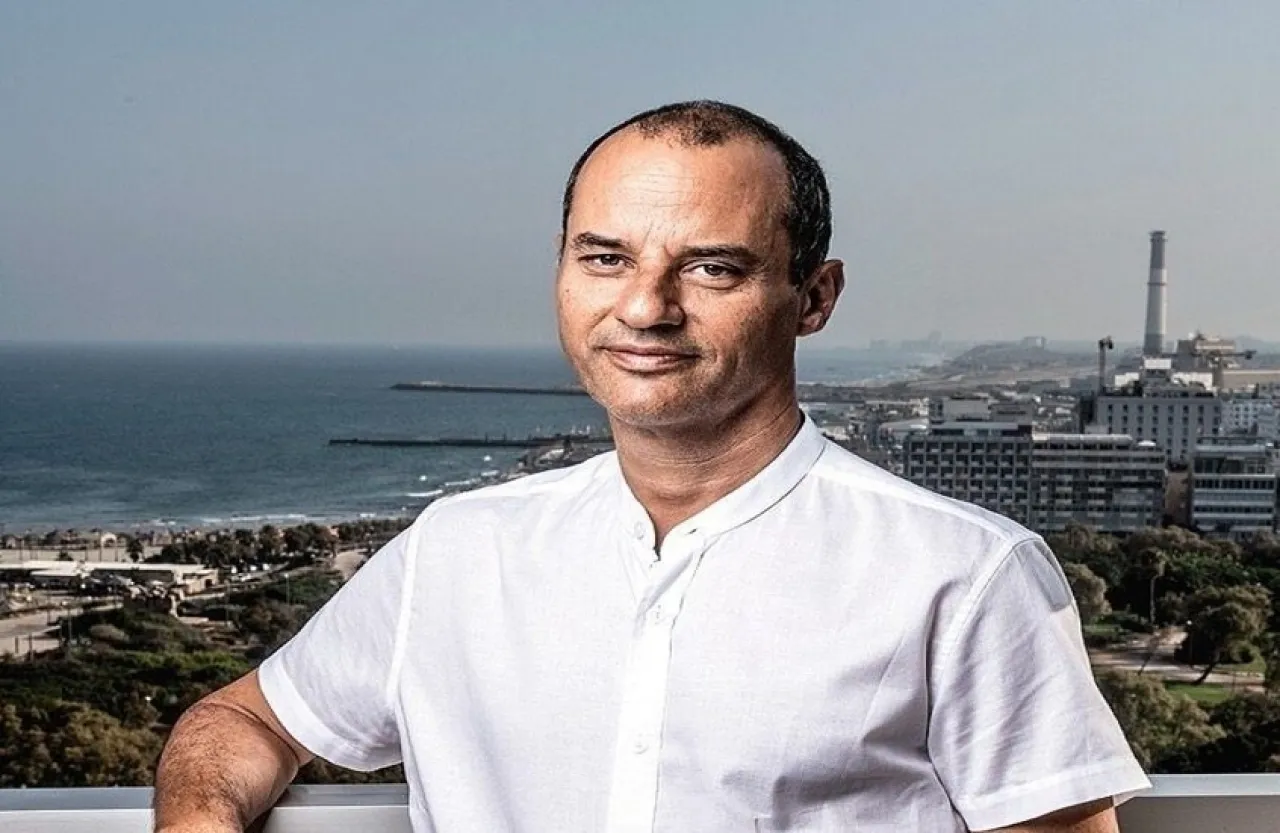
Khaberni - Within the framework of the American arrangements for what is called "the day after" the war on the Gaza Strip, the US administration announced the appointment of Israeli billionaire Yakir Gabay to oversee the reconstruction file of the sector.
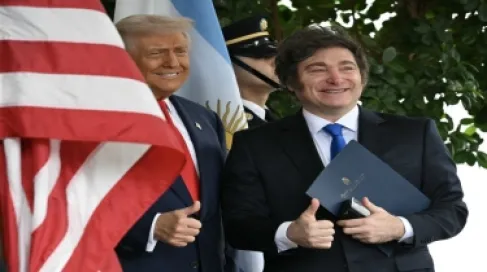
The appointment comes within a new structure led by the administration of US President Donald Trump, which includes what is known as the "Gaza Executive Council" and the "Peace Council." This falls within the context of a political-economic plan that conditions reconstruction and disarming the resistance, granting Washington the role of direct custodian over Gaza’s future.
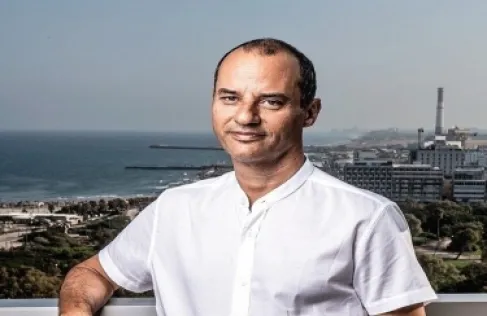
Gabay, the 59-year-old Israeli businessman who is a prominent tycoon in European real estate and investment, has assets valued at over four billion dollars. Born in occupied Jerusalem, he comes from a family that held high positions in Israeli government institutions, with his father holding senior positions in the Ministry of Justice and Civil Service while his mother worked in the Public Prosecutor's Office.
Although he tries to appear as an "international" businessman not officially representing Israel, his political and family background places him at the heart of the Israeli elite directly connected to governing institutions.
According to revelations, Gabay's relationship with the US administration dates back to the presidency of Joe Biden, but it was strengthened after the war on Gaza when, in November 2023, alongside American and European businessmen, he proposed a vision for the sector’s future based on reconstruction in exchange for strict security arrangements. This vision, which was promoted behind the scenes, later found its way to the White House, becoming part of the plan announced by Trump, which included appointing Gabay to the Gaza Executive Council.
Following the announcement of his appointment, Gabay quickly declared his public allegiance to the American vision, affirming that he is striving to "realize President Trump's vision for peace," a vision linking Gaza’s economic development to the complete disarmament of the Palestinian resistance, opening up the economy to free-market forces, and expanding the so-called "Abraham Accords." He emphasized that disarming Hamas was a fundamental condition for any reconstruction process, in complete alignment with both American and Israeli positions.
Gabay’s appointment was not isolated but within a package of appointments that sparked wide controversy, as Trump included figures from countries presented as "non-friends of Israel" in the Executive Council, among them the Turkish Foreign Minister and a senior Qatari official, along with UAE and Saudi participation in the reconstruction file. Despite this, the US administration asserts these appointments are “personal” and do not officially represent the countries, in an effort to overcome political objections and sidestep any legal or ethical accountability.
Concurrently, Trump announced the establishment of the "Peace Council," which he invited dozens of world leaders to join, in a move aimed at creating an international framework alternative to the United Nations, with an open budget and broad powers, in which countries participate based on their financial contributions. Washington presents this council as a new tool for conflict management, while observers see it as a political cover for imposing American-Israeli solutions on conflict issues, particularly the Palestinian issue.
Ultimately, entrusting the Gaza reconstruction file to an Israeli billionaire close to decision-making circles in Washington and Tel Aviv clearly reveals that the talk of "reconstruction" is inseparable from a broader political project seeking to reengineer the sector under guardianship, tying Palestinians' livelihoods to security conditions that touch the core of their right to resistance and self-determination. While the plan is marketed as a path to development, in practice, it shifts the management of Gaza from under military bombardment to the grip of political and economic control.