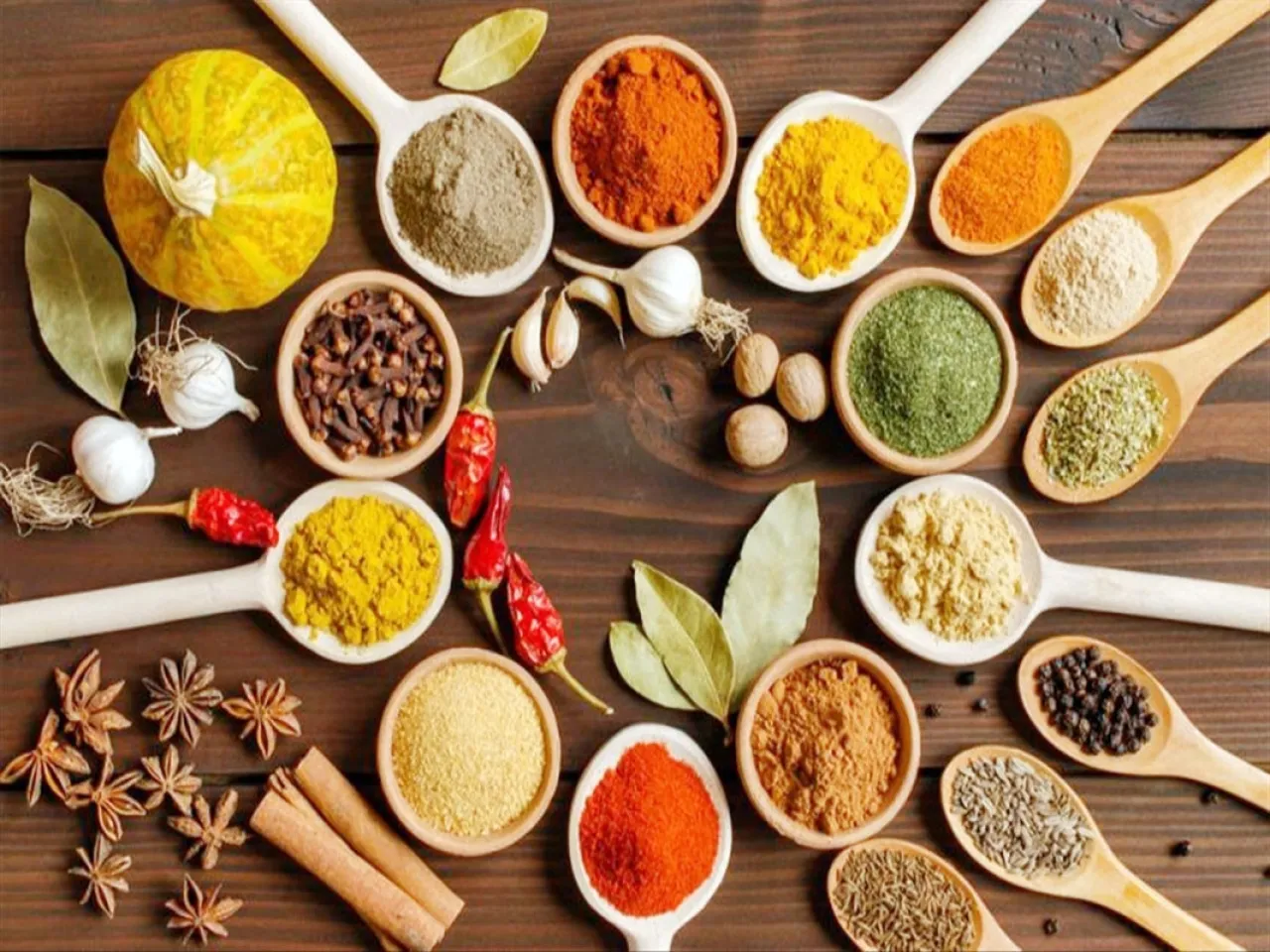
Khaberni - Spices are an integral part of our cooking and are often associated with health benefits. Nevertheless, a recent investigation conducted by the French magazine «60 Million Consumers» revealed the possibility of contaminants in some spices sold in major stores. Are all spices truly equal? And how do we choose the best and healthiest option?
In a study recently published, experts at the magazine «60 Million Consumers» tested 40 types of spices and aromatic herbs, both traditional and organic. The results, as published by the website passportsante, showed that the majority of the products tested contained residues of pesticides, sometimes in combination, even if within the regulatory limits allowed. More worryingly, the investigation highlighted the presence of physical contaminants (insect remains and hair), linked to the conditions of cultivation, harvesting, or storage. Organic products had better results, but were not entirely free from defects.
◄ Most Contaminated Spices
Some spices show very poor results in the analyses, including:
• Paprika and spicy sweet pepper, which are often heavily contaminated with insecticides.
• Dried herbs (thyme and bay leaves), more prone to environmental contamination.
• Cheap spice mixes that combine multiple sources of residues.
These products, heavily processed and imported from countries where health standards may differ, contain higher amounts of undesired substances.
◄ Best Options for Your Health
In contrast, some healthy products stand out, such as:
● Certified organic spices, free or almost free from any residues.
● Whole spices (peppercorns, cloves, nutmeg), less susceptible to contaminants than ground spices.
● Brands known for transparency regarding the source of the spices and quality control.
To minimize the risks, experts recommend diversifying spice sources and types to reduce repeated exposure to the same contaminants.
◄ What Are the Real Health Risks?
According to the World Health Organization, chronic exposure to low doses of pesticides may increase the long-term risk of hormonal, neurological, or metabolic disorders, even if the direct risk is low when consumed as part of a diet. Nevertheless, the World Health Organization and the Food and Agriculture Organization emphasize that adherence to the maximum residue limits is specifically aimed at protecting consumers. Therefore, the main problem is the accumulation of these substances, especially among regular consumers of highly contaminated spices.
◄ How to Better Choose Your Spices?
To reduce risks, it is advised to opt for organic spices, especially dried herbs. Buying small amounts ensures their freshness and prevents spoilage due to long-term storage. Experts also recommend choosing whole spices to grind yourself, as they are usually less contaminated than ground spices subjected to additives. Finally, it is best to be wary of cheap spice mixes, where information on their source and quality is often unclear.