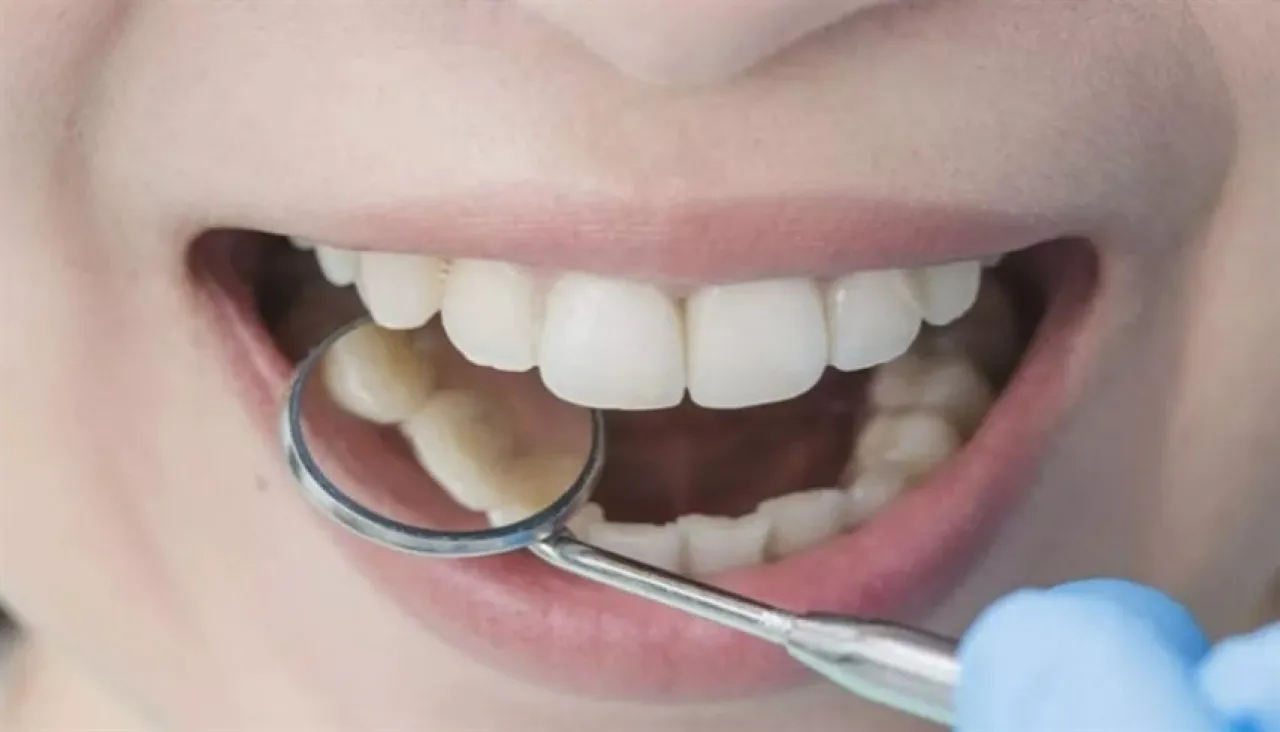
Khaberni - Maintaining dental hygiene is no longer just a cosmetic ritual for an attractive smile, but has become a "safety valve" for your life. In a new medical revelation that might change our view of the dentist's chair, scientists have announced that the condition of your mouth and the number of your healthy teeth might be the most accurate indicator to predict the risk of early death.
The journal "BMC Oral Health" published the results of a massive Japanese study conducted by researchers from Osaka University, involving records of more than 190,000 people aged over 75 years.
The study concluded to an astonishing fact, that people who maintain complete and healthy teeth are directly linked to a decreased risk of death for any reason, while this risk significantly increases in those suffering from tooth loss or widespread decay, according to "The Sun" newspaper.
The researchers did not just count the teeth (up to 28 excluding the wisdom tooth); they categorized them into three groups: (healthy, filled, and decayed). They discovered that combining the number of healthy and filled teeth together is the "golden indicator" for predicting longevity, proving that dental restoration (filling) provides the body a second chance at life as much as natural teeth do.
Why do damaged teeth kill their owner?
Scientists link this close relationship between the mouth and longevity to two main reasons:
Chronic inflammation: Tooth decay or gum diseases are not just cavities, but are centers of chronic inflammation that can spread through the bloodstream to infect vital organs.
Poor nutrition: Tooth loss hampers the ability to properly chew food, leading to a decline in the quality of nutrition and weakening of the body's vital functions.
"Decayed teeth might indicate overall functional weakness, serving as an alarm bell for increased risk of death due to underlying infections," according to the researchers at Osaka University.
From heart attacks to Alzheimer's.. the mouth is the beginning
The study also warned that gum diseases and recurrent bleeding are not just a local annoyance, but are closely linked to a higher risk of heart attacks and strokes. The research also revealed a "mysterious and dangerous" link between poor oral health and a decline in cognitive abilities, making it an early indicator of Alzheimer's disease.
Shocking numbers about stroke
In a related context, another medical report warned that neglecting oral cleaning habits could increase the risk of ischemic stroke by up to 86%. This stroke results from the obstruction of blood flow to the brain, depriving neurons of oxygen and causing permanent brain damage.
Beyond "the brush and paste"
Despite the strength of these findings, the researchers pointed to a "hidden factor" to consider; that poor oral health might sometimes reflect a low economic or social status, which in turn affects the overall quality of healthcare and availability of healthy food, calling for more research to determine the precise mechanism of this biological link.