Khaberni - The United Nations High Commissioner for Refugees stated that the number of Syrian refugees registered with it in the Kingdom decreased last year by over 30%.
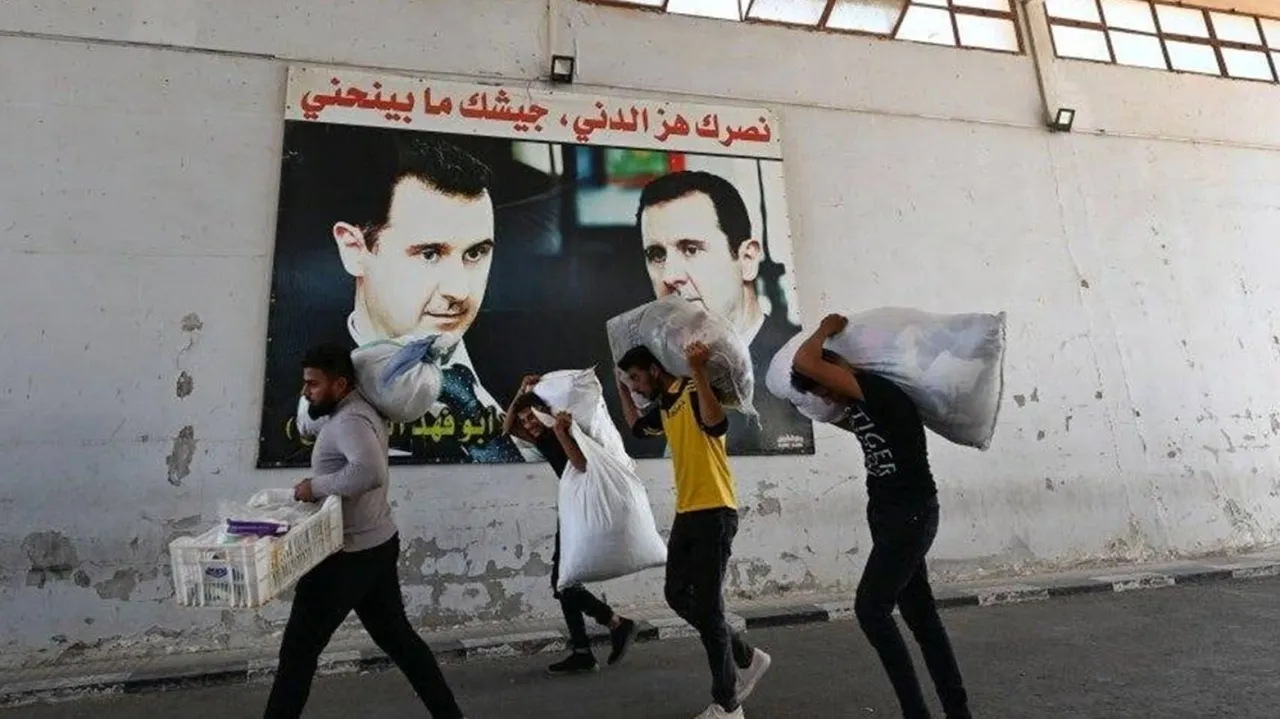
The number of those who returned from Jordan to Syria reached 178,000 Syrians, since the fall of Bashar al-Assad's regime on December 8th, 2024, until the first week of January of the current year, according to Al-Ghad.
According to the Commissioner, throughout 2025, the monthly rates of return varied, but peaked last July with an estimated 28,000 returnees.
The demographic composition of the returnees remained stable throughout 2025, with an approximately equal distribution between women and men, and children constituting about 43%, while men aged between 18 and 40 years made up about 19% of the total returnees.
In the same context, the Commissioner estimated the number of returnees to Syria from other countries at 1,346,485 Syrians since the political transition, including more than 440,000 refugees registered with the Commissioner from Turkey, 437,586 from Lebanon, 178,000 from Jordan, and 6,988 from Iraq.
Additionally, 28,897 Syrian refugees in Egypt applied to terminate their refugee status.
Last year, the Commissioner provided assistance to returning refugees through counseling, information exchange, awareness, legal assistance, transportation, and cash aid.
This includes more than 3,200 refugees receiving cash assistance since the launch of the pilot program for voluntary return in September last year, noting that the return process is closely coordinated with the High Commissioner in Syria to support refugees upon reaching their final destination.
In 2025, the United Nations High Commissioner for Refugees reached over 55,000 refugees to provide assistance in voluntary return, and through various digital channels, over half a million people received information related to the return.
The Commissioner expects the number of registered refugees in Jordan to decrease by the end of 2026 to about 290,000 refugees, with Syrians comprising 92%, while the remaining 8% are from other nationalities including Iraqis, Sudanese, Yemenis, and others.
Most of the refugees reside outside the camps, where the percentage of those residing in organized camps does not exceed 18%.