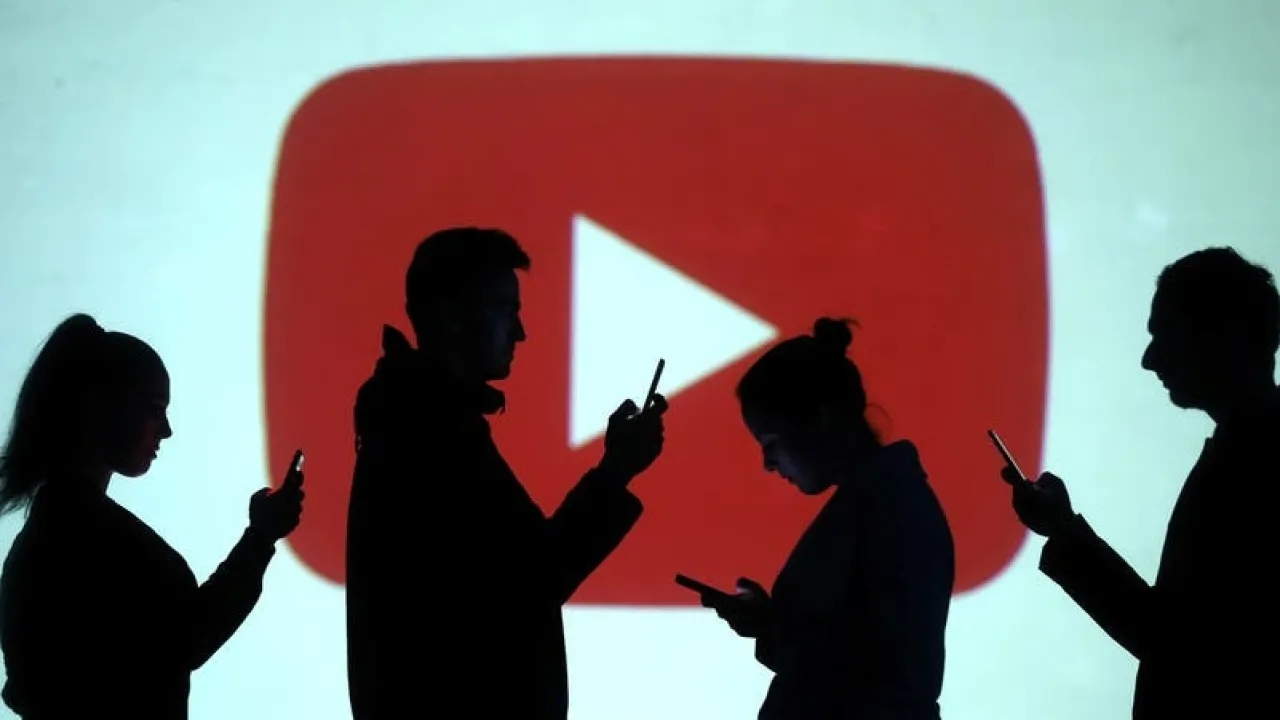
Khaberni - YouTube, owned by Google, has announced a new package of updates that target enhancing parental control tools, in a step reflecting the escalating global concern about the safety of children and teenagers online, especially with the widespread proliferation of short videos.
Under the new update, parents can now set a daily time limit for their children's viewing of "YouTube Shorts," the short format that competes with "TikTok" and "Instagram Reels," with the aim of limiting endless browsing and unconscious content consumption, according to a report published by "Tech Crunch" and viewed by "Arabiya Business".
Full or temporary ban on "Shorts" videos
YouTube has not only set a time limit but also provided parents with the option of completely banning the viewing of "Shorts," whether permanently or temporarily.
This option is useful in cases such as when parents want their child to use the platform for educational purposes only, like studying or viewing specific educational content.
The platform also added the ability to customize bedtime alerts and "take a break" alerts, which are tools that encourage users to stop watching after a certain period.
It is noteworthy that these features are also available to adults, for those who wish to adjust their personal content consumption.
Easing the switching between parents' and children's accounts
YouTube acknowledged a common challenge among families, which is the difficulty of switching between parents' and children's accounts within the app, which can spoil the recommendation algorithms for children's content.
The platform confirmed that it would update the login experience in the coming weeks to make switching between accounts easier with fewer clicks, provided the user remembers to do so.
Extension of the policy for protecting teenagers
This step comes as a continuation of the existing control tools that YouTube provides for teenagers, including monitoring the activity of channels in case the teenager creates their own content.
This policy has become almost standard in the sector, with platforms like "TikTok," "Instagram," "Snapchat," and "Facebook" adopting similar tools.
It should be noted that YouTube had revealed last year a technology for estimating users' ages, aimed at determining whether an account belongs to a teenager and then providing a more suitable experience for that age group.
With these updates, YouTube is trying to strike a difficult balance between the appeal of short content and its rapid consumption, and the increasing demands of families to control screen time and protect children from digital addiction.