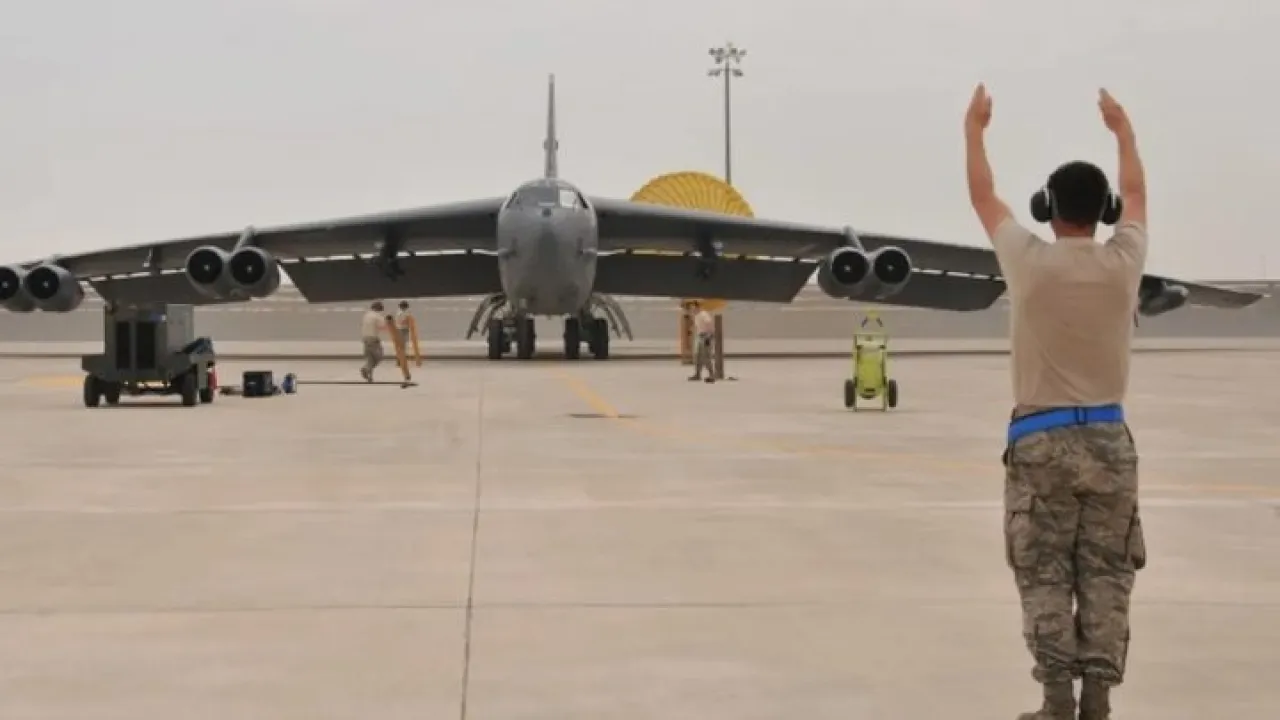
Khaberni - The US Central Command announced the opening of an advanced air defense cell at the Qatari Al Udeid Air Base, in a step that comes as part of the United States efforts to enhance military readiness in the Gulf region and counter escalating threats from regional powers, according to the American website Al-Monitor.
Military sources explained that this step aims to improve capabilities of early warning and rapid response to any potential air threats, including drones and ballistic missiles.
This move comes amid escalating regional tensions, including ongoing Iranian threats and potential clashes in the Strait of Hormuz, prompting the United States to strengthen its military presence in the Middle East.
US officers confirmed that the new cell will work to coordinate defense operations with Qatari forces and others from the international coalition to ensure the protection of strategic interests, such as oil shipping lines and vital military facilities.
The American site added that the cell is equipped with the latest monitoring and surveillance systems, including advanced radars capable of detecting air targets at distances exceeding hundreds of kilometers, and precise missile interception systems that allow immediate response to any potential attack. The sources pointed out that training on operating these systems has been ongoing for several months, including realistic scenarios to simulate potential attacks from hostile regional countries.
Commenting on the opening of the cell, a senior US official stated that the presence of this facility enhances the capability of collective defense and increases strategic deterrence in the region, and facilitates more integrated military cooperation between the United States and the Gulf countries. The official explained that this presence does not target any specific country, but aims to maintain regional stability and ensure freedom of air and maritime navigation.
For its part, Qatar affirmed its full commitment to cooperate with the United States to enhance its national and regional security, noting that this cell comes within the framework of joint defense agreements between the two countries. Military affairs experts have expressed their belief that such steps will play a crucial role in enhancing the regional defense system, especially in light of the increasing Iranian threats, which include, according to Washington's assessments, the development of ballistic missiles and offensive drones.
Analysts believe that the opening of this cell reflects a shift in the United States' strategy in the Gulf, as it moves toward establishing advanced defensive positions capable of rapid response to a wide range of threats, while maintaining clear communication lines with regional allies. They add that this move may be an indicator of future plans to enhance air defenses in other areas of the Middle East, in line with the ongoing and changing challenges in the region.