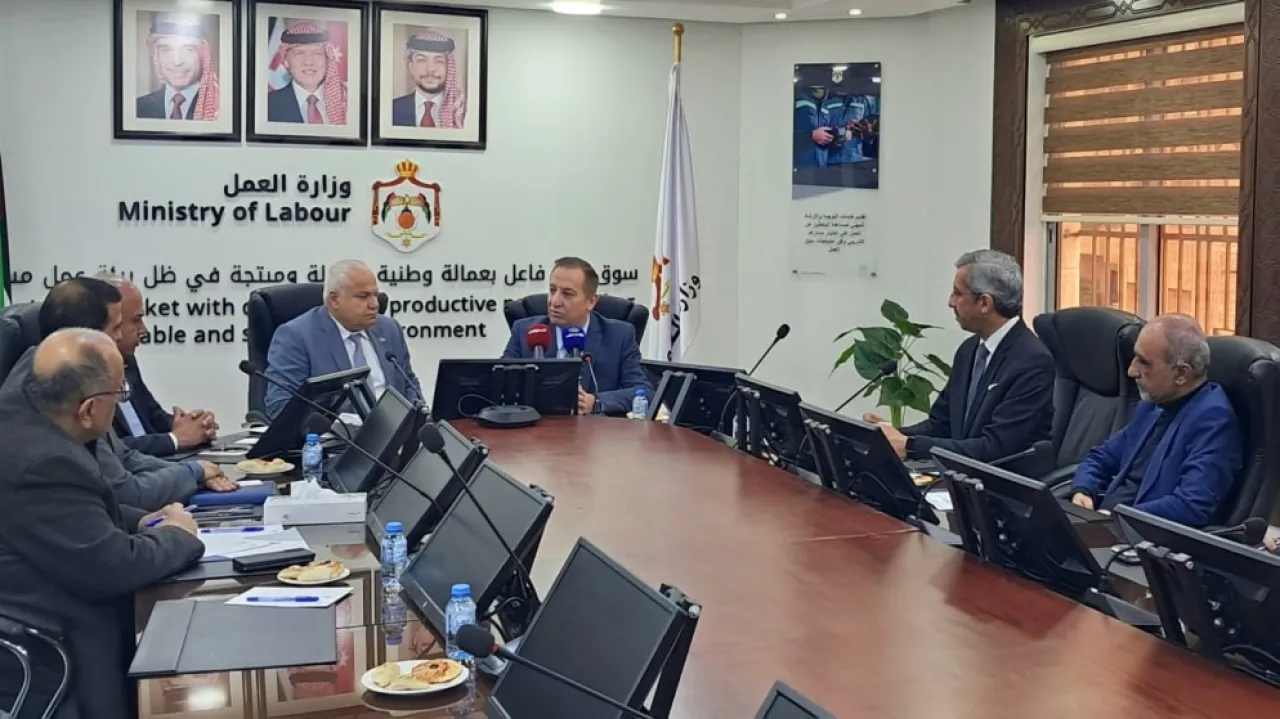
Khaberni - The Ministries of Labor and Agriculture signed a memorandum of understanding on Wednesday to support the employment of Jordanians in investments in the developmental agricultural industries complex in Ghor Al-Mazraa and Haditha in the Southern Ghor district of Karak Governorate.
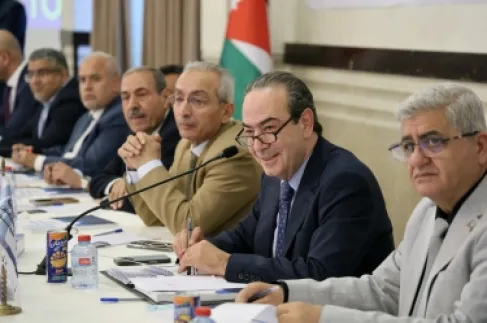
The memorandum of understanding, signed by Minister of Labor Khaled Al-Bakkar and Minister of Agriculture Saieb Khraisat, implements a cabinet decision that declared the area a developmental zone and appointed the Ministry of Agriculture as the main developer.
Al-Bakkar stated that the signing of the agreement serves as a model for the integration of government efforts in supporting the agricultural and industrial sectors, noting that the small and medium investments that will be established in the agricultural industries complex aim to provide hundreds of direct job opportunities for the local residents in the initial phase of operation, as well as benefiting a large number of Jordanian farmers and workers from the complex's activities, which contribute to the localization of local development in the Southern Ghor district of Karak Governorate.
He added that the project embodies the government's commitment to localizing and enhancing balanced development and achieving fairness in the distribution of economic growth gains, asserting that agricultural industries are a fundamental pillar in achieving national food security and increasing the competitiveness of Jordanian exports in regional and global markets, within the framework of the royal vision for economic modernization that prioritizes food security and enhancing local production.
Al-Bakkar explained that the Ministry of Labor, through the royal initiative of productive branches implemented in the governorates, provides operational support for investments in the agricultural industries complex for a period of five years, similar to the incentives granted to investors in the industrial cities in Karak and Tafilah governorates, pointing out that these projects contribute to reducing poverty and unemployment in the Southern Ghor area through providing job opportunities for local community members and encouraging productive investments that promote sustainable development in the region.
On his part, Khraisat clarified that the ministry, as the main developer of the complex, will begin implementing the infrastructure work in phases over three years starting from the current year, to provide essential services and operate technical and administrative staff on site.
He pointed out that the complex will contribute to absorbing the surplus of agricultural production and developing value chains for national products through the introduction of modern food manufacturing technologies, which helps in reducing the import bill and increasing the value of national exports, in addition to supporting small and medium-sized projects in the agricultural and industrial sectors.
Khraisat added that the project was initiated to support the Jordanian farmers through promoting contractual farming and reducing waste in agricultural products, ensuring a fair and sustainable return for farmers, and improving production efficiency in agricultural supply chains.
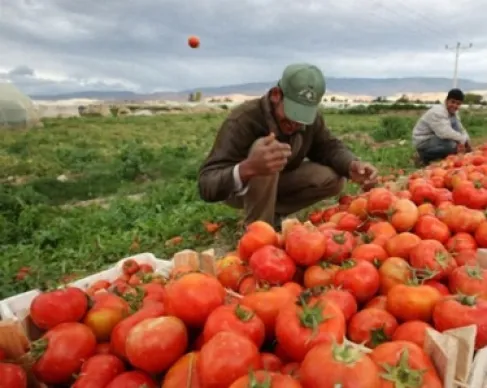
He noted that the developmental agricultural industries complex in Ghor Al-Mazraa and Haditha covers a total area of 130 dunums and currently includes two investments in the fields of juice and concentrate manufacturing and the drying and freezing of vegetables and fruits, in addition to a third new project underway to produce semi-fried potatoes, emphasizing that the future plan involves developing the infrastructure in the area and providing the necessary services to ensure an attractive and sustainable investment environment.
It is noted that work in the agricultural industries complex began in 2021 as part of a package of development projects emanating from the royal vision for economic modernization, which aims to enhance national food security and stimulate productive investments in the agricultural manufacturing sector, thereby supporting comprehensive and sustainable economic growth.
Investors in the region benefit from the incentives and exemptions granted under the investment environment law for developmental areas, in addition to the incentives approved by the cabinet decision, including support for electricity prices for small and medium industries, inclusion in the productive branches program implemented by the Ministry of Labor, providing support for local labor, and supporting container handling costs for goods exported through the Port of Aqaba, enhancing the competitiveness of national products and contributing to achieving the targets of the economic modernization vision.