Khaberni - On more than one occasion during his presidency, former U.S. President Joe Biden was seen holding an ice cream cone, a scene that has become part of his public image. Biden, now 83 years old, does not hide his love for sweets, and explicitly expressed it in 2016 after visiting the headquarters of "Jeni's Splendid Ice Cream" in Ohio: "My name is Joe Biden and I love ice cream".
Biden was not an exception among presidents, as Ronald Reagan declared July of 1984 as “National Ice Cream Month”.
A phenomenon not limited to presidents
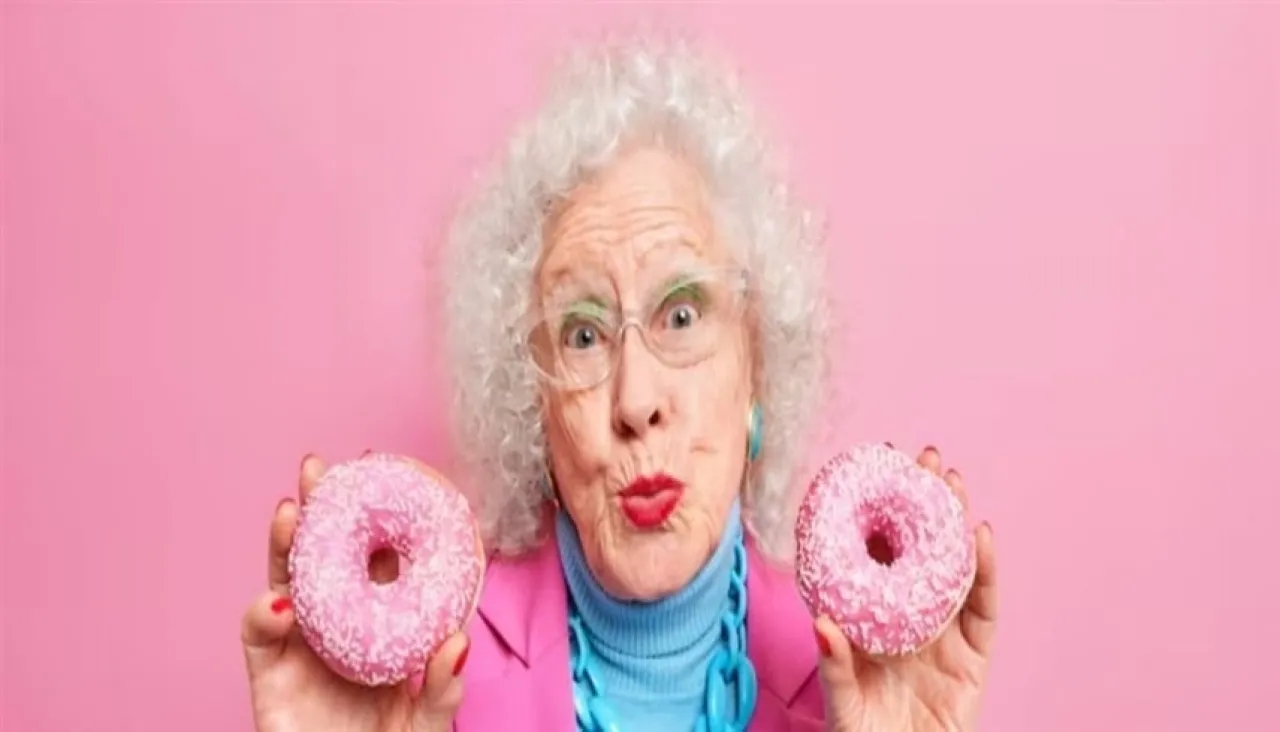
The increasing fondness for sweets is not only common among politicians or public figures, but it is also a widespread phenomenon with aging. A recent survey showed that more than half of adults in the United States consume more sweets today than they did in their childhood.
Diminished taste drives sugar cravings
Doctors and food science experts confirm that taste buds begin to weaken gradually with age, a process that generally starts between the ages of forty and fifty and accelerates later. This decline makes it difficult to distinguish flavors, while sweet taste remains the easiest to perceive, leading to cravings for sugars, according to the Daily Mail.
Dr. Meena Malhotra, an internal medicine and obesity medicine specialist and founder of the Heal n Cure Medical Wellness Center in Illinois, said, "The sense of taste generally becomes less sensitive with age, with sweet taste being the last that can be clearly perceived, making foods that were once balanced seem bland in taste, and leading to cravings for more sugar."
Dopamine.. Pleasure declines with age
Chemical changes in the brain play an additional role, as dopamine levels, associated with pleasure and reward centers, decrease with age. Since sweet foods stimulate the secretion of this neurotransmitter, indulging in them becomes a quick way to compensate for this deficiency.
Edmund McCormick, a food science expert and CEO of Cape Crystal Brands, said, "Stimulating the brain's reward centers associated with the secretion of dopamine may be easier with sweet tastes compared to other stimuli."
Ease of eating and lack of nutrients
McCormick also pointed out that the soft texture of sweets, such as ice cream and cakes, makes them a preferred choice among older adults who have dental or chewing problems. He also noted that deficiencies in certain vitamins and minerals, such as magnesium, vitamin B12, and zinc, could weaken the sense of taste and increase a penchant for sweet flavors.
Dementia and medications are additional factors
McCormick explained that diseases such as dementia could lead to changes in the brain's control centers for reward and impulse, which increases a preference for sweet foods, being familiar and easy to sense. Also, certain medications, especially those for high blood pressure, depression, and Parkinson's disease, may cause dry mouth or a bitter taste, prompting some to turn to sweets to alleviate that.
How can craving for sweets be reduced?
Dr. Malhotra recommends relying on natural sources of sweets such as eating yogurt with the addition of some fruits instead of added sugars.
Additionally, using spices like cinnamon and vanilla can make food taste sweeter without adding sugar, and drinking sufficient amounts of water might reduce cravings for sweets, as the brain might sometimes confuse thirst with hunger.