Khaberni - Real Madrid parted ways with Xabi Alonso just 7 months after a partnership that began last June with the FIFA Club World Cup, and ended with the loss in the Spanish Super Cup against Barcelona last Sunday.
This partnership had a promising start for the project, followed by a gradual loss of confidence which peaked in Jeddah.
Many believed that avoiding a heavy defeat against Barcelona would have boosted the coach's chances, but in Real Madrid, there are no honorable losses, according to Marca newspaper.
A combination of sporting and non-sporting reasons hastened Alonso’s departure, notably his management of the locker room.
1- Inconsistent Pressure
The project was on the right track, with the new coach's impact clearly visible in the team, especially in high pressure, a trait that mysteriously disappeared after the 5-2 defeat against Atlético Madrid, and after which, the situation took a dangerous turn before the decisive defeat against Barcelona.
2- Lack of Vitality
Real Madrid always seemed lacking in energy and vitality, and their physical fitness was suspect. The team continued to struggle against compact defenses, much like it did under the previous coach, Carlo Ancelotti.
Moreover, the famous high pressure, which was supposed to be a distinctive feature of the team, only appeared sporadically in few matches, like the league game against Barcelona at Santiago Bernabeu.
3- Loss of Control Over the Midfield
The departure of Luka Modric left Real Madrid’s midfield lacking in technical finesse, and Xabi requested a playmaker, but the club did not provide one.
Jude Bellingham is the only one who possesses this trait, but he was forced to play in many other positions instead.
4- Long Balls
Real Madrid's inability to build attacks from the back reached its peak in the Super Cup.
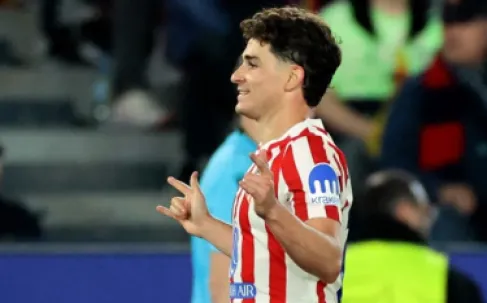
In the semi-final match against Atlético Madrid, goalkeeper Thibaut Courtois kicked approximately 40 long balls to bypass the "Rojiblancos" pressure, and look for counterattacking opportunities relying on Gonzalo Garcia or Jude Bellingham.
The team's image did not improve in Jeddah, where long balls again remained the main offensive strategy.
5- The Crisis with Vinicius
Alonso is known as a coach deeply involved in tactical details and places special emphasis on technical analysis, which many players at Real Madrid, particularly after Ancelotti's more flexible approach, did not easily accept.
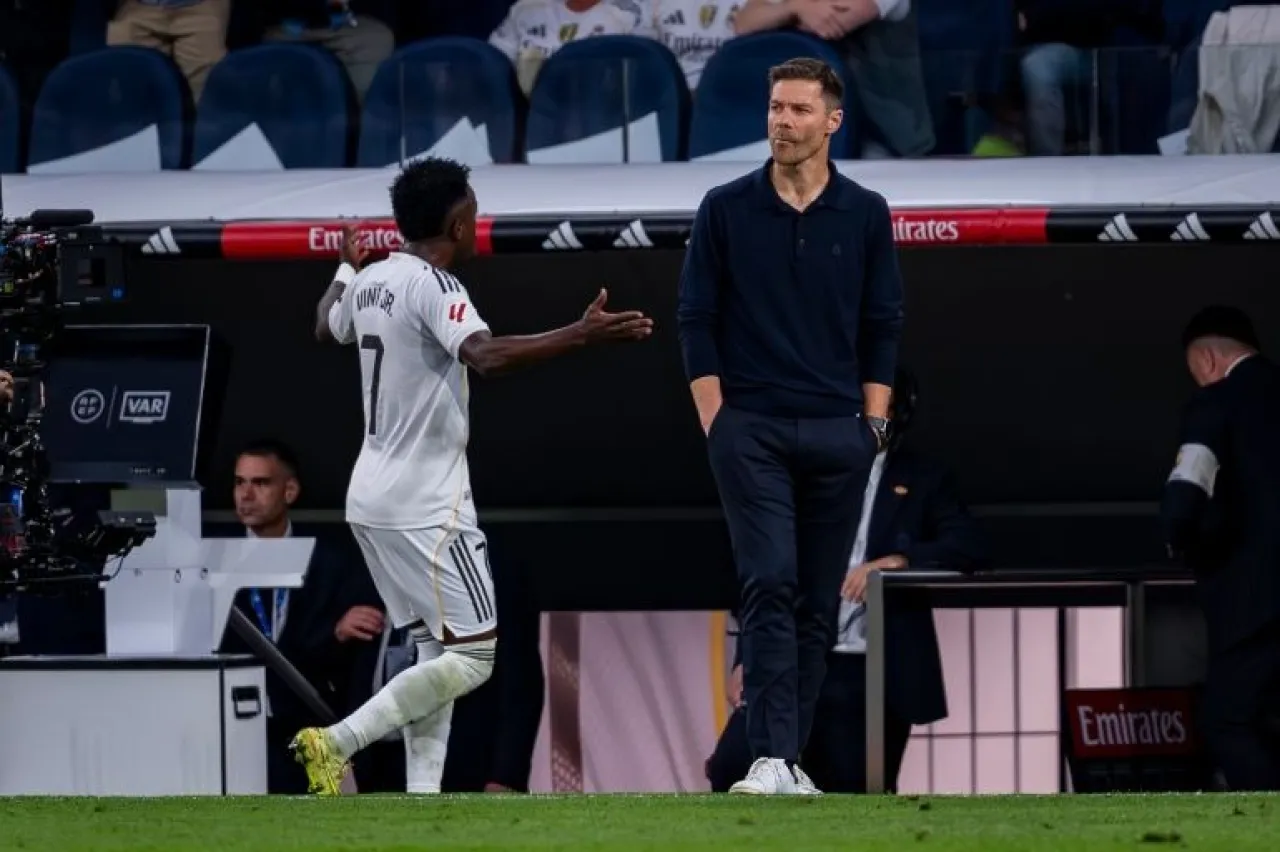
The problems first manifested when Vinicius Junior was kept on the bench in some of the opening season matches. Then the crisis escalated during the Clásico, following a late substitution of the Brazilian, who did not hide his frustration in front of 80,000 spectators at the Bernabeu.
The club remained silent, delegating the matter to Alonso, without taking any disciplinary action against the player. Despite superficially resolving the issue, the relationship between the Brazilian player and the Basque coach was never smooth.
Vinicius was not the only critic, and the division within the locker room was an additional factor that ultimately contributed to Alonso's dismissal.