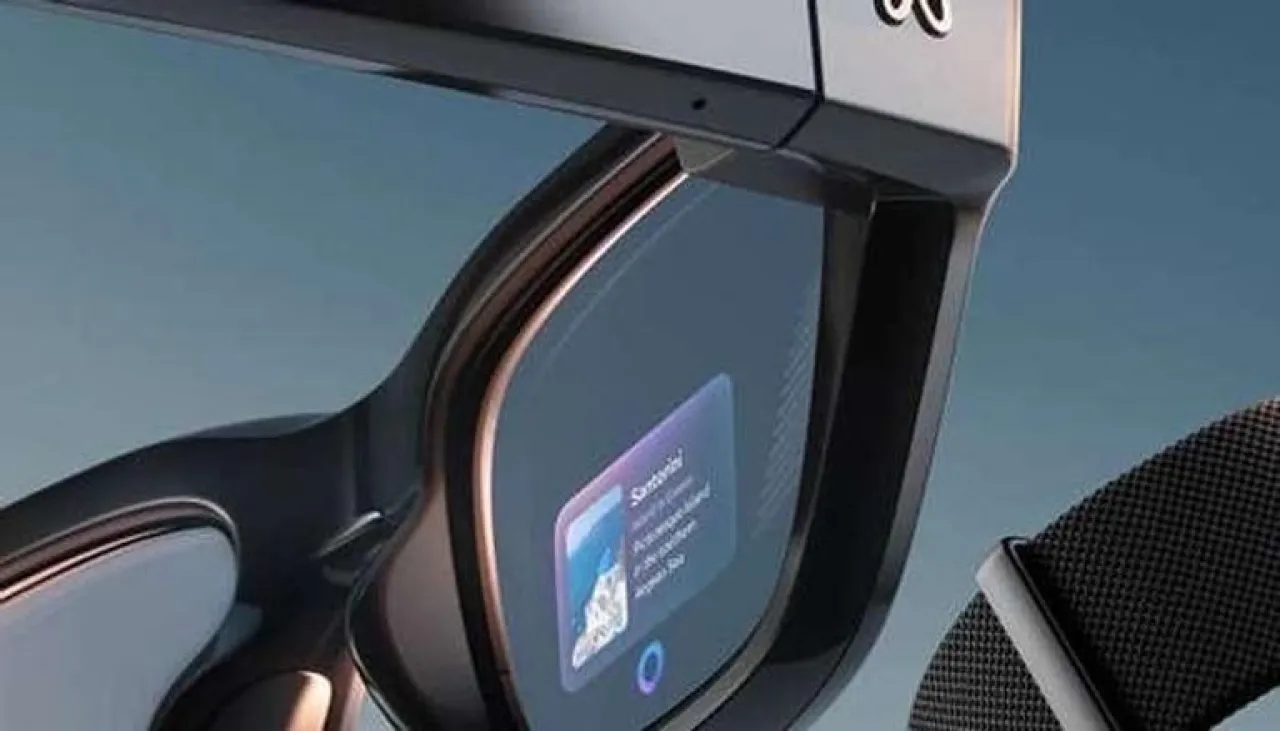
Khaberni - Meta is preparing for a qualitative leap in the world of smart glasses by transforming its devices from simply tools for photography or interaction with artificial intelligence into a practical solution for a common daily issue many face: the difficulty of hearing conversations in noisy, crowded places.
The company launched a new feature called Conversation Focus as part of the early access program for Ray-Ban Meta and Oakley Meta HSTN glasses users in the United States and Canada.
The feature not only simply increases the volume, but relies on a smart mechanism to isolate the voice of the person directly in front of you while reducing background noise such as machine sounds or side conversations, according to a report published by TechCrunch.
The result is akin to a "sound tunnel" that connects you with the person you’re talking to, even in crowded cafes or bars.
6 years of research and development
Meta confirmed that developing this technology took more than six years as part of a project the company calls "superhuman cognitive powers," a marketing term, but the technology itself relies on directed sound focus which is different from any other solutions on the market.
Unlike hearing features in Apple’s AirPods Pro 2, which aim to improve general hearing or provide support closer to medical devices, Meta is betting on directional focus, where the user must be facing the speaker and at a relatively close distance (about 6 feet).
Ease of use
The feature is designed to be easy to use, as it can be activated through a voice command like: "Hey Meta, start conversation focus" or by pressing and holding the touchpad on the glasses, without the need to take out the phone during the conversation, reflecting Meta’s focus on comfort and reliance on natural user interaction.
This step is of significant importance, as it reflects the transformation of smart glasses from features sometimes described as "showy" to daily solutions for real human issues.
Meta stresses that the feature works best in moderately noisy environments and will not be effective in extremely loud settings such as concerts.
To try the feature, users need to register for the early access program through the Meta AI app.
If the experiment is successful in real-world conditions, it could be a clear indicator that wearable devices are moving beyond the stage of tech gimmicks to practical solutions with real value.