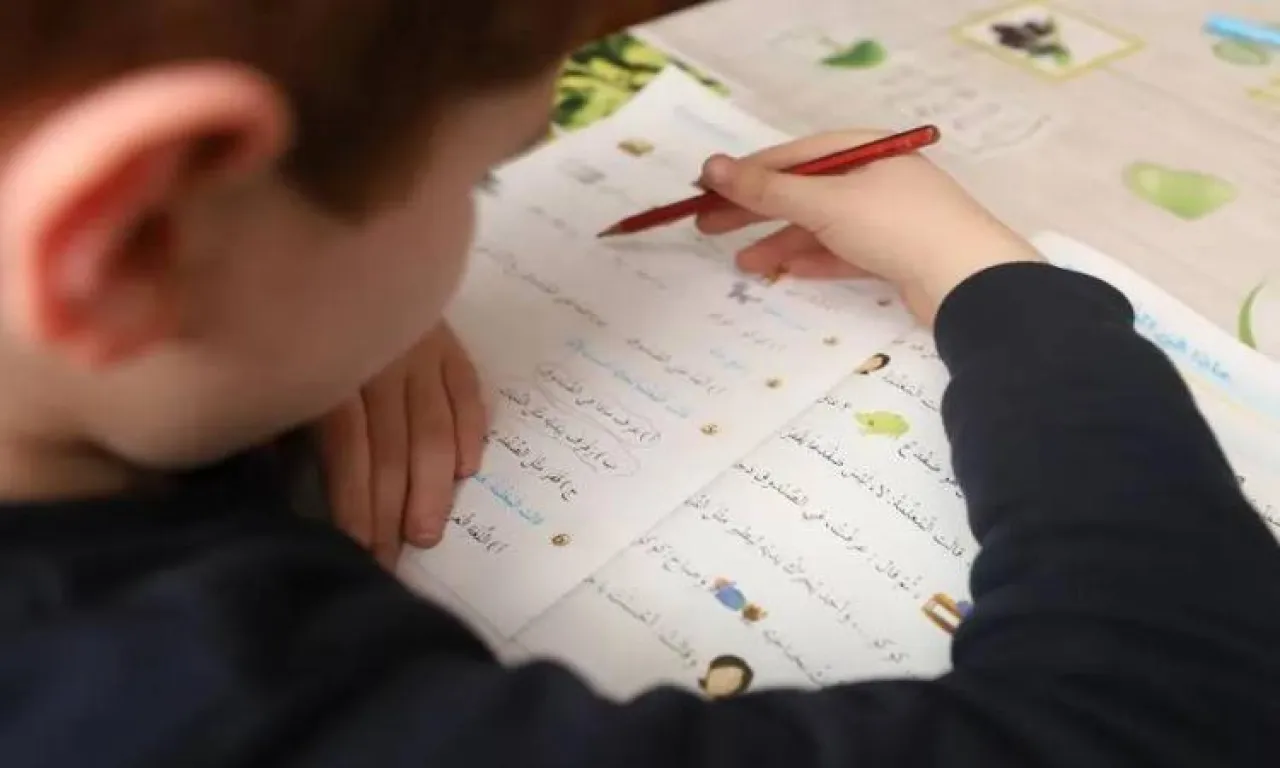
Khaberni - Arabic is considered one of the most important languages in the world, as it is not only the language of the Holy Quran, but also a language of rich culture and a long history that spans thousands of years.
International Day of Arabic Language
The world celebrates December 18 each year as the International Day of the Arabic Language, an occasion that highlights the importance of the Arabic language in preserving cultural and linguistic identity.
This celebration aims to emphasize the importance of teaching the Arabic language to children, not just at the level of understanding the language, but also in terms of enhancing cultural identity, history, and belonging.
The Importance of Teaching Arabic Language to Children
- Enhancing cultural and religious identity:
The Arabic language is not just a means of communication, but an essential part of the child’s cultural and religious identity. For children in Arab countries, learning Arabic enhances their belonging to Arab culture and helps preserve heritage and traditions.
- Developing thinking and creativity:
Arabic is rich in rhetorical and aesthetic tools, like metaphors and similes, which help children develop critical and creative thinking skills. Through learning rhetorical styles, children can develop their imagination and improve their ability to express themselves more broadly and deeply.
- Opening future opportunities:
In today's world, Arabic is one of the global languages spoken by millions across different regions, and learning Arabic opens many opportunities in education, work, and communication with different peoples. It also allows for better interaction with Arab cultures prevalent in Arabic-speaking countries.
- Improving other language skills:
Studying Arabic helps the child develop skills in other languages, as learning Arabic grammar strengthens linguistic rules when learning other languages like English and French, since many linguistic rules are shared between languages.
How to Teach Arabic to Children
Teaching Arabic to children might seem challenging to some in the context of foreign languages which have become more prevalent in schools and communities. However, there are many methods and tools that can be used to teach children Arabic in an enjoyable and effective way:
- Daily conversation in Arabic:
One of the simplest and most important ways to teach the child Arabic is by speaking with them daily. If the family speaks Arabic, using the language in everyday life helps the child understand the words and the correct pronunciation. Specific times should be allocated for speaking Arabic with the child, like during meals, playtime, or everyday activities.
- Use stories and illustrated books:
Stories are a great way to develop a child’s vocabulary and introduce them to the basics of the language. Choosing illustrated books that contain stories in Arabic makes learning fun and easy. Stories from the Quran or cultural tales can be used to enhance the child’s knowledge of Arab history and culture.
- Educational games:
Children can learn Arabic through educational games that combine fun and learning. There are many games that help children learn Arabic letters, numbers, and vocabulary in an enjoyable way. Smartphone or tablet apps, such as word games or puzzles, contribute to developing reading and writing skills.
- Music and Arabic songs:
Songs and music are enjoyable and stimulating learning methods. Traditional Arabic songs, like children's songs, help in establishing vocabulary and proper pronunciation of words.
- Private lessons or organized educational activities:
If the child needs additional help or faces difficulties in learning Arabic, private lessons or specialized educational courses can be useful. Many schools or educational centers offer Arabic lessons in a simplified and attractive way for children. Interactive activities like handicrafts and language games enhance language learning.
- Reviewing the Holy Quran:
Teaching the Quran to children is an ideal way to learn Arabic, and memorizing the Quran helps improve language skills, including correct pronunciation and recitation. Additionally, reading the Quran allows the child to become familiar with classical Arabic style and expand their knowledge of religious vocabulary and linguistics.