Khaberni - When it comes to losing weight and regular exercise, it is not uncommon for people to adopt extreme methods, changing their diet radically and opting for products labeled "low-fat," "protein-rich," "sugar-free," "gluten-free," or "high fiber." However, often food companies overestimate the nutritional value of these products, boasting about a reduced percentage of one component while ignoring high levels of other elements not typically found in the kitchen.
According to "Daily Mail," this does not mean that foods marketed as "healthy" cause more harm than good. Only if there is excessive consumption of some whole foods—foods sold and eaten in their natural, unprocessed state—they can quickly turn into a caloric or sugar or salt bomb, which can ruin healthy plans.
From here, London nutritionist Lily Soutter offers a list of 8 types of foods that may not be as healthy as you think.
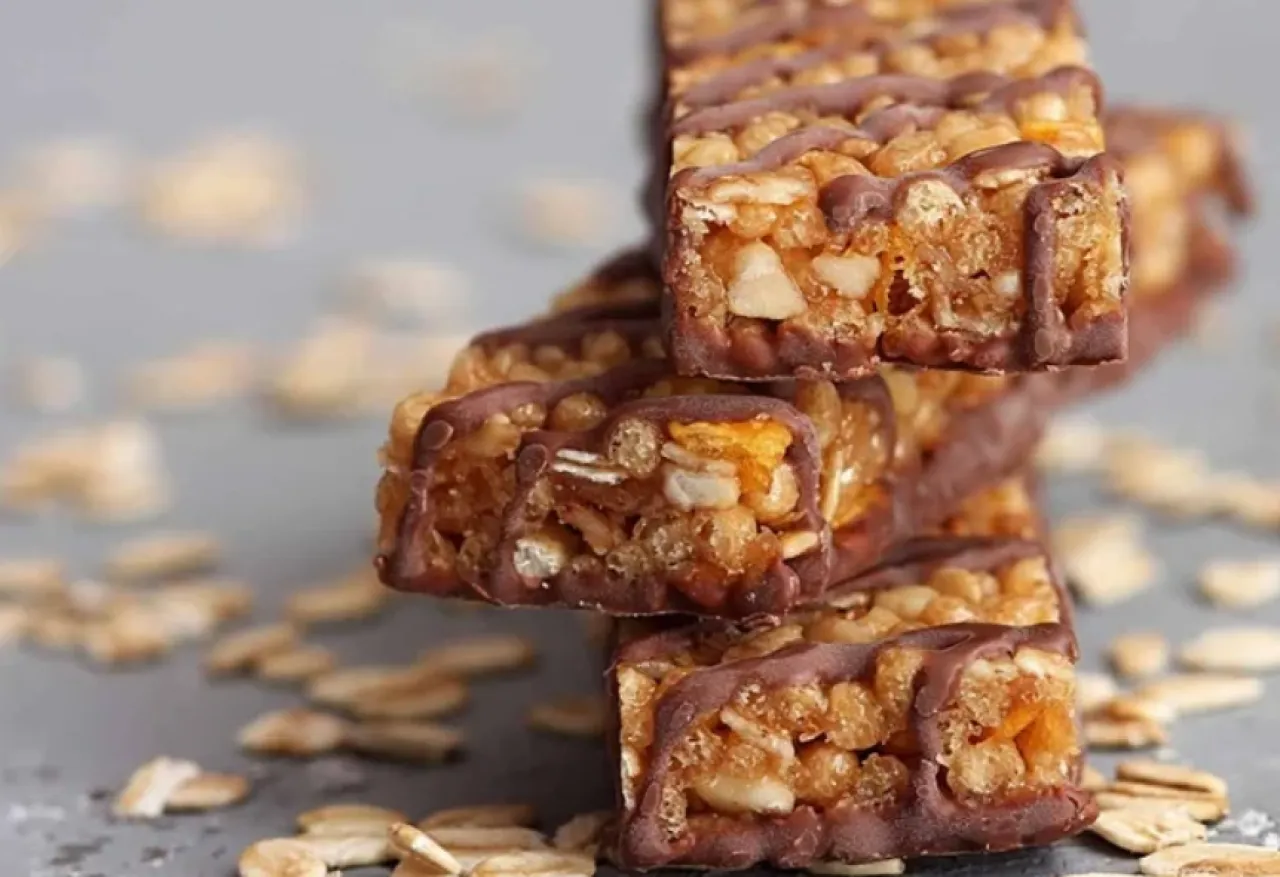
Protein bars
Protein bars are an easy way to boost protein intake throughout the day, but some are high in chemicals and sugars.
Some may contain additives such as emulsifiers or certain sweeteners that are hard for some people to digest, while others may be very high in sugar.
Therefore, Soutter emphasizes the importance of carefully reading nutrition labels.
And she says, "If a protein bar contains more than 22.5 grams of sugar per 100 grams, it is considered high in sugars, so pay attention to the serving size."
Roasted root vegetables
Replacing a portion of beige-colored fries with an amount of beetroot, white carrot, sweet potato, and roasted carrot might seem like a healthy choice, but these brightly colored vegetables might be rich in sugars.
When cooking root vegetables at high temperatures, their fibers decrease, which facilitates the digestion and absorption of starches and sugars in the body.
When roasting these vegetables with additional oils and sugars, their caloric content increases, which means the amount of "healthy" root vegetables you consume could contribute to an increase in your waistline instead of reducing it.
Olives
Eating a dish of olives may not be as diet-friendly as you think - due to the way they're processed, they may be rich in salt.
Soutter says, "Olives provide monounsaturated fats that are good for the heart and vitamin E, but a 30-gram serving may contain up to 1.2 grams of salt, and our maximum daily salt intake should not exceed 6 grams."
Rinsing the olives to remove some of the excess brine can help reduce the salt content.
In general, watch the portion size; do not eat more than 5 to 10 olives in one serving.
Dried fruits
Dried fruits are rich in nutrients, providing vitamins, minerals, and antioxidants, but they can also be a concentrated source of sugar, which may damage the teeth.
Soutter advises sticking to specific amounts and trying not to exceed 30 grams, approximately a heaped tablespoon.
And she says, "To reduce the risk of dental decay, eat dried fruits with meals," or choose fresh fruits, especially between meals.
Hummus
Hummus is rich in fiber and plant protein, but it may also be high in fats and calories from olive oil and tahini.
While these fats are good for the heart, calories can add up quickly, especially when eating hummus as a snack," she says.
"Make sure to consume two to three tablespoons of hummus per serving, and for a lower-calorie option, you can eat salsa or low-fat yogurt sauce."
Matcha Latte
Pure matcha contains very high levels of antioxidants beneficial to health, while it contains low levels of sugar and calories, but once prepared by a barista, its taste changes.
Soutter says, "Matcha latte drinks are often prepared with full-fat milk and sugar, and some may contain up to 220 calories and 29 grams of sugar per serving."
You can enjoy them, but choose the unsweetened version and consume smaller amounts instead of large cups.
Diet drinks
Soutter says, "Diet drinks often contain artificial sweeteners, which may be a first step for some people to reduce their consumption of sweetened drinks and gradually transition to water."
Despite diet drinks being calorie-free, recent research indicates that artificial sweeteners may have negative effects on gut bacteria.
Use diet drinks occasionally as an alternative to sweetened beverages, and consider adding fruits and vegetables to water as a healthy alternative.
Salad dressings
Salad dressings may contain high levels of fats and sugars, which can disrupt the balance of a healthy salad.
Creamy dressings tend to be rich in fats and saturated fats, while vinegar dressings, despite being light, may contain added sugars.
Soutter advises, "Use a tablespoon or two per salad, and consider homemade options that add heart-healthy fats and nutrients."
"A simple mix of olive oil or avocado oil with lemon juice is tasty and nutritious at the same time. You can also try a tahini dressing made from tahini, lemon juice, garlic, and olive oil."