In recent years, with the growth of dietary awareness, pasta is no longer exclusive to wheat flour, but the options have expanded to include innovative alternatives that combine nutritional value and delicious taste. Among these alternatives that have recently established their presence, chickpea pasta stands out as a healthy option that meets the needs of a wide range of consumers.
Chickpea pasta is not only suitable for followers of plant-based diets or those interested in healthy eating, but also for anyone looking for a satisfying meal, rich in plant-based protein and gluten-free, without sacrificing taste or texture. Even the website "The Kitchn" points out that adding sauces and vegetables to chickpea pasta makes it difficult to distinguish it in shape or taste from traditional pasta.
A healthy alternative to traditional pasta
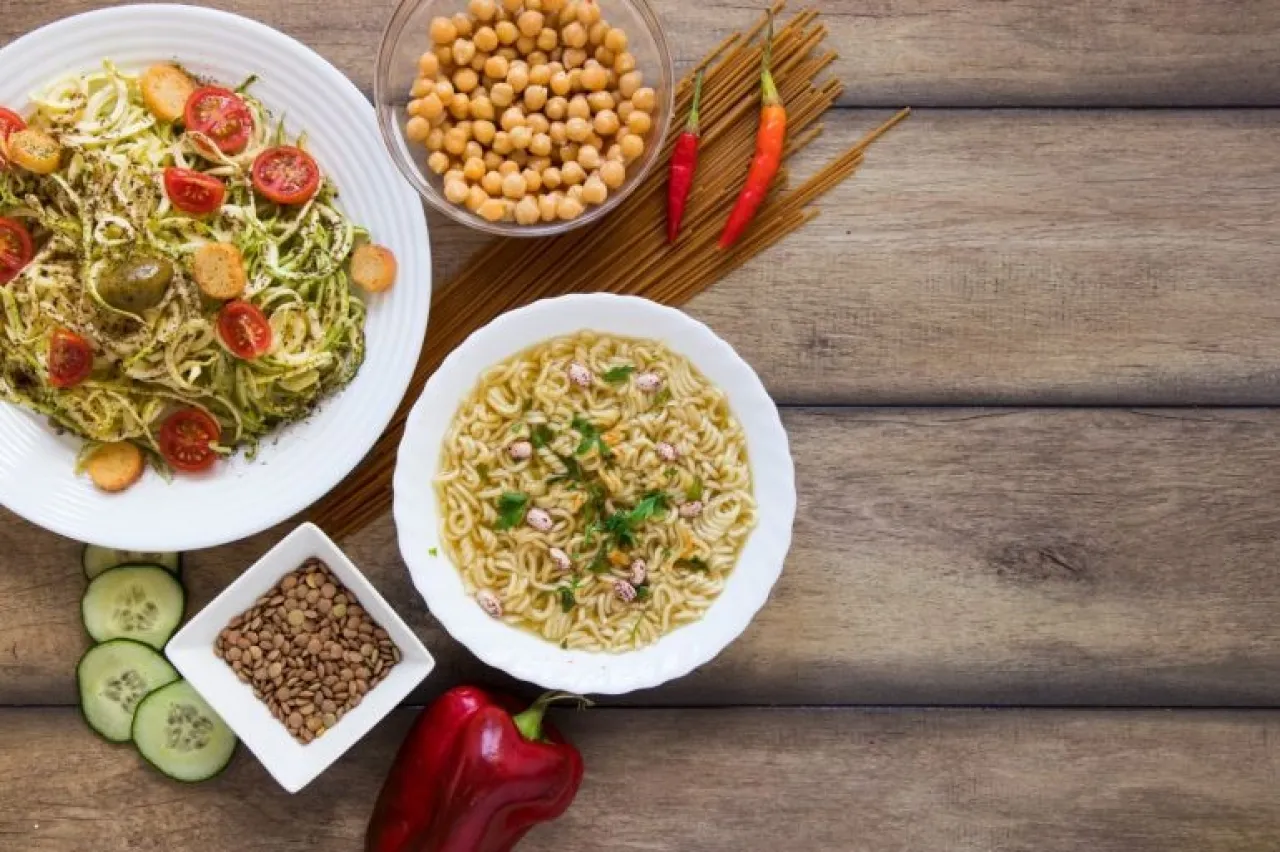
As its name suggests, chickpea pasta is made from chickpeas, which are rich in protein and fiber, where chickpeas are ground into flour, then mixed with water to form a dough which is shaped into various pasta forms, such as penne, fusilli, spaghetti, shells, and others. This versatility allows it to be used in a wide range of recipes, from warm casseroles to refreshing salads or added to soups.
Chickpea pasta is characterized by a firm texture and a mild nutty flavor, which may slightly differ from the texture and taste of wheat-based pasta, yet it harmonizes notably with garlic, olive oil, and various types of sauces.
Chickpea pasta is classified among the minimally processed foods, relying mainly on one ingredient which is chickpea flour. Nevertheless, some brands add other ingredients such as lentil flour, brown rice flour, or pea protein, and other brands use binders like tapioca starch or xanthan gum to improve texture. Therefore, it is advised to read the ingredient list carefully to avoid any unwanted additives.
Multiple health benefits
Chickpea pasta is a rich source of several essential nutrients, providing about 30% of the daily iron requirement per serving, and contains double the protein and four times the fiber compared to traditional pasta. Besides, it supplies the body with important minerals such as potassium, magnesium, and phosphorus, which give it high nutritional value. Here are some of its top health benefits:
-
A suitable alternative for allergy sufferers
Chickpea pasta is an ideal option for people who suffer from allergies to wheat, gluten, soy, or dairy and egg products, allowing them to enjoy pasta meals without concern for allergic reactions.
-
Enhancing digestive health
According to recommendations from the US Department of Agriculture, the body needs about 14 grams of fiber for every 1000 calories, and chickpea pasta provides about seven grams of fiber per serving, contributing to improved digestion, regulating bowel movement, and supporting the health of the gut microbiome.
-
Reducing the risk of chronic diseases
Dr. Linda Sheu, a specialist in internal medicine, stated in remarks to the New York Times, that consuming legume pasta is linked to a reduced risk of heart diseases and colorectal cancer. She explains that diets rich in fiber generally help regulate blood sugar levels, lower cholesterol, and reduce the risk of obesity.
Possible harms and side effects
Despite its nutritional benefits, dietitian Emily Haller, in remarks to the New York Times, mentioned that chickpea pasta, like other high-fiber foods, might cause gas or bloating in some people, particularly those afflicted with irritable bowel syndrome. Therefore, it is advised to gradually introduce it into the diet to give the digestive system a chance to adapt.
Some types of chickpea pasta also contain xanthan gum to improve texture and enhance palatability, a common food emulsifier used in many products, like salad dressings, chocolate milk, pie fillings and sweets, and ice cream products.
Tips before preparing chickpea pasta
Chickpea pasta cooking is quite similar to wheat pasta; it’s boiled in salted water and used as an alternative to traditional pasta in various recipes. However, it's generally more tender and requires a shorter cooking time, thus it's recommended to follow package instructions precisely.
To maintain its texture, it is preferred to rinse it with cold water immediately after boiling. Chickpea pasta produces a lot of foam while cooking, and this can be reduced by increasing the water amount, reducing the heat, adding a bit of oil, or manually removing the foam.
Although it matches well with most types of sauces, its flavor particularly shines with Italian pesto sauce or tomato sauces, and its taste can be enhanced by adding fresh herbs. If the meal isn’t vegetarian, it can be complemented with animal protein sources such as meatballs or grilled salmon, along with healthy fats like extra virgin olive oil and a sprinkle of grated Parmesan cheese, to get a balanced and complete meal.