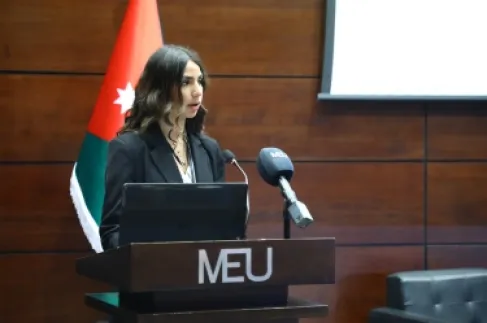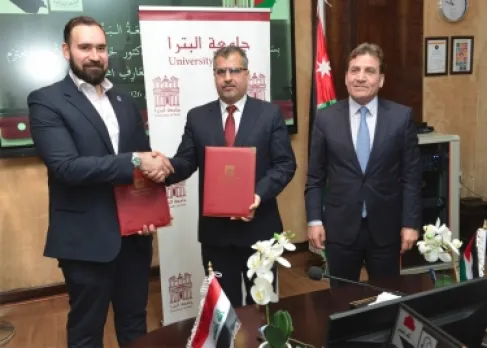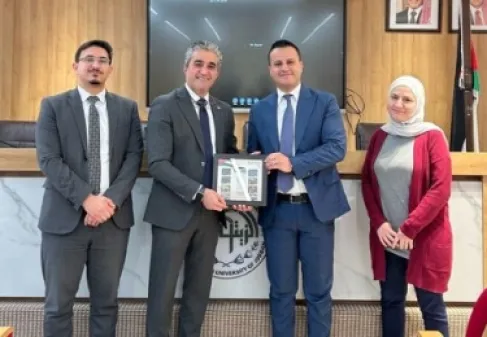
Khaberni - The Media College at Middle East University held its advisory council meeting, with the participation of a group of media leaders and national expertise; aiming to reposition education in the college and update its philosophy to align with the rapid transformations taking place in the media sector, particularly with the rise of artificial intelligence, changes in media production and consumption patterns, and the overlap of cross-border digital platforms.
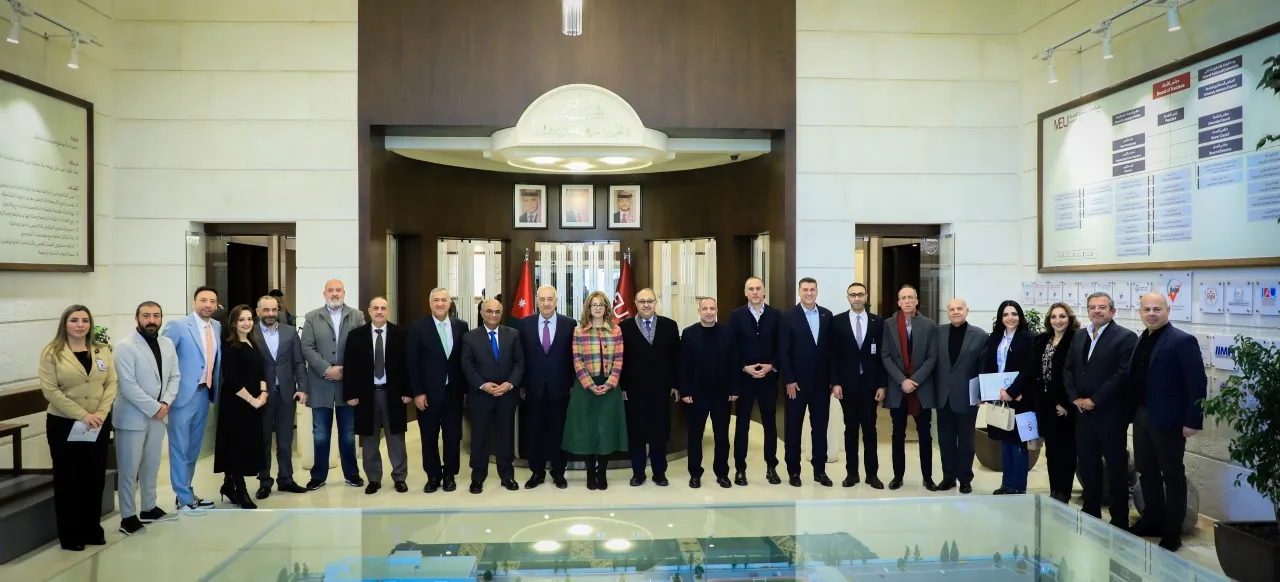
The meeting was attended by the Chairman of the Board of Trustees of Middle East University, Dr. Ya'qub Nasser Al-Din, the University President, Professor Dr. Salam Al-Mahadin, and the Dean of the Media College, Dr. Ramez Abu Husseira, where a comprehensive discussion took place around the future of media education, the deep challenges facing the profession, and ways to develop the academic programs to be more flexible and innovative, capable of graduating media professionals who possess critical thinking skills, mastery of digital tools, and conscious engagement with artificial intelligence technologies and ethics.
Dr. Nasser Al-Din explained that the university aims to strengthen the position of the Media College as one of the leading colleges that invests in the quality of education, attracts talent, and develops the academic environment to keep up with the major transformations in the media industry.
For her part, Dr. Al-Mahadin stated that the Media College represents a strategic pillar in the mission of Middle East University, emphasizing that the university views media as a tool for creating awareness, building responsible public opinion, and enhancing professional and ethical values.
The council concluded the meeting, chaired by media member and faculty member at the Media College, Professor Dr. Hani Al-Badri, with a set of pivotal recommendations emphasizing the need to update the curricula to keep up with ongoing digital developments, integrating artificial intelligence applications in media education,
enhancing critical thinking skills, information verification, solution journalism, along with expanding partnerships with media institutions, and intensifying practical training, to ensure graduates are ready to enter the competitive job market.
The council also discussed the ethical and professional challenges facing journalists given the rapid flow of information, the growing political and economic pressures, and the spread of misleading content, affirming the importance of reinforcing professional ethics and establishing clear criteria for admitting students into the media major, ensuring the recruitment of students who possess awareness, passion, and community responsibility.
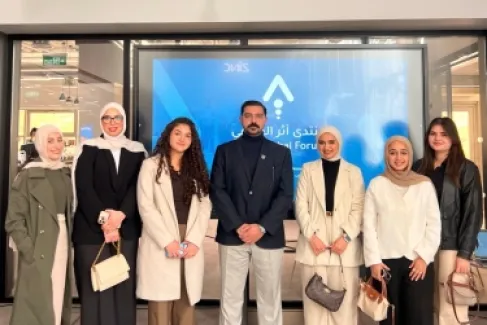
The meeting also featured a thorough dialogue attended by students from the Media College, reflecting their direct interest in issues of digital transformation, content production, and artificial intelligence in media, enhancing student involvement in framing the future visions of media education.
The meeting witnessed participation from various media figures, including the former Minister of State for Media Affairs, Engineer Sakhr Dudin, the former Minister of Culture Haifa Al-Najjar, alongside various media institutions, newspapers, news and television channels, including the Media Authority, the Journalists Syndicate, Jordan Television, Government Communication Department, Oman TV, Jordan News Agency Petra, the Royal Jordanian Film Commission, Al-Mamlaka TV, Al-Ghad newspaper, Al-Dustour newspaper, Jordan Times, Telescope Media Group, Hayat FM, Ain Satellite Channel, Al Hadath Plus Channel, and representatives from the local community.