Khaberni - Although most cases of nosebleeds are simple and not worrying, they should not occur if everything inside the nose is intact, according to Dr. Patricia Loftus, a specialist in Ear, Nose, and Throat at the University of California.
What is a nosebleed?
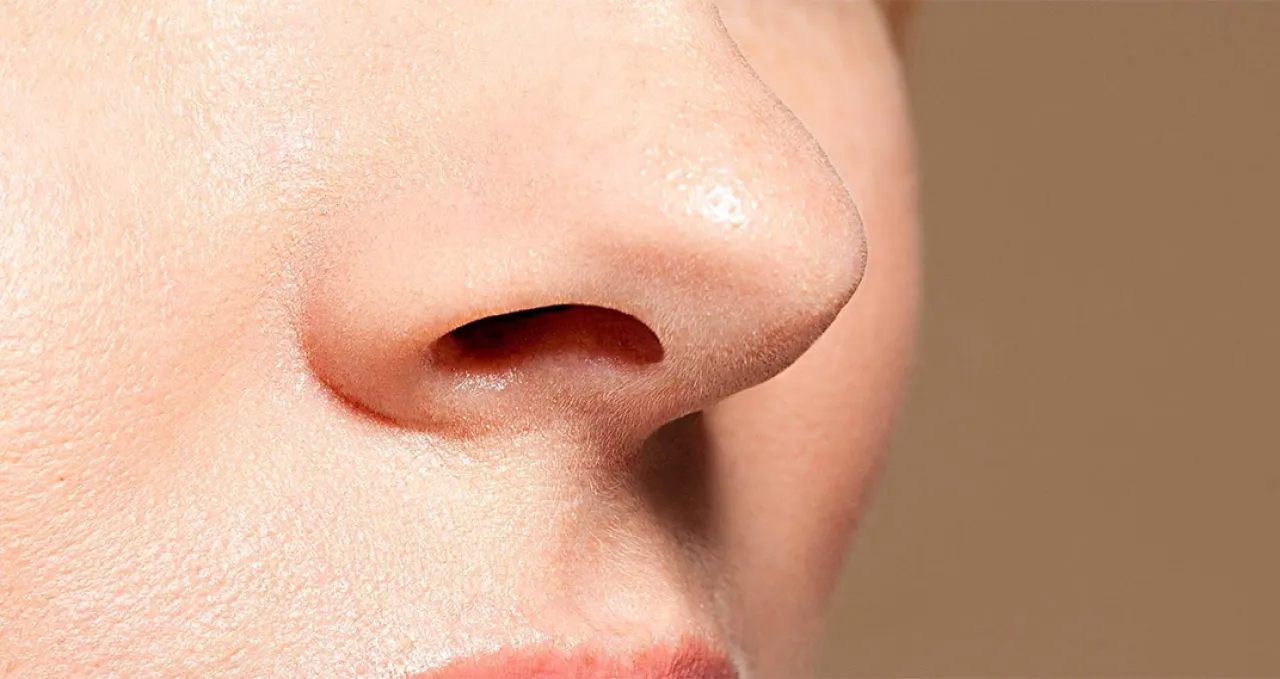
Medically, a nosebleed is known as epistaxis and is divided into two types: anterior and posterior, with about 90% of cases being anterior nosebleeds, starting in the area between the nostrils known as Kiesselbach's plexus. This area contains a large number of tiny capillaries that help warm the air entering the nose, and when these capillaries rupture, bleeding occurs, usually from a nostril, and part of it may leak into the throat, especially when the head is tilted back.
Posterior nosebleeds are less common and more serious, occurring when larger blood vessels rupture deep in the nasal cavity, and if the blood flows profusely into the throat and may cause choking, this is an indicator of a posterior nosebleed that requires urgent medical care, and this type generally appears in elderly, especially those on blood thinners.
What to do when a nosebleed occurs?
Tilting the head back is a common and dangerous mistake, as it leads to swallowing blood, which may cause nausea. Doctors advise tilting the head forward while gently pressing on the nose, using cold compresses on the nose or neck, or decongestant sprays to help constrict the blood vessels. The appearance of thick blood clots may seem worrying, but it is generally an indication that the blood is clotting naturally.
If nosebleeds recur several times a week, persist for more than 30 minutes, or affect daily life, a doctor should be consulted.
What are the causes of nosebleeds?
Dryness inside the nose is the most common cause, especially in the winter due to heating and low humidity, and fiddling with or scratching the nose, even slightly, can lead to the rupture of the capillaries, as can allergies or viral infections that weaken the nasal lining, and physical exertion or exercises that involve lowering the head below the level of the heart, in addition to medications and supplements like blood thinners, aspirin, and certain herbs such as ginseng and garlic.
When is a nosebleed concerning?
Daily recurring nosebleeds without a clear cause require medical evaluation, and may indicate:
Blood clotting disorders, liver problems, hormonal changes during pregnancy in women, rare genetic diseases such as hereditary hemorrhagic telangiectasia, tumors or nasal polyps, especially if the bleeding is from only one nostril and accompanied by pain, blockage, or changes in vision
How do doctors treat a nosebleed?
Treatment depends on the cause and severity of the bleeding, and includes: stuffing the nose with medical pads, cauterizing the bleeding site, blood tests to check for anemia or clotting disorders, and imaging if there is a suspicion of a mass.