Khaberni - David Rosen, one of the co-founders of the SEGA electronic gaming empire, has died at the age of 95, surrounded by his family in his Los Angeles home, according to a report published by the British newspaper "Guardian". However, the impact he has left on the gaming world will not end soon.
From Japan to the United States, Rosen was a cornerstone of the SEGA empire. He contributed to the rise of video games in Japan and then helped establish SEGA's American branch, scoring great success with its "Mega Drive," which became widely popular in the eighties and nineties.
Rosen held a position on the company's board of directors from 1960 to 1996, when he completely stepped down from managing it after achieving remarkable success.
The "Guardian" report suggests that Rosen's role began even before he took his position on the company's board, as he was instrumental in transforming it from a mere importer of arcade games from the United States into the industry giant we know today.
Growth in Post-War Economy
Rosen served as an American pilot during the Korean War. After the war ended, Rosen was captivated by Japan’s charm and its growing economy, which was recovering, prompting him to stay and establish an import and export company in 1954, according to a report published by "PC Gamer," an American specialist in video games.
Rosen began his business journey importing instant photo booths, after noticing the growing need for instant photos in Japan. He then moved to importing pinball tables and other coin-operated games, installing them in stores, restaurants, and cinemas.
In 1965, he decided to merge with a rival company, "Nihon Goraku Bussan" also known as "Service Games," later shortening the companies' names to "SEGA."
Over the next 15 years, SEGA evolved from merely importing arcade games to becoming a leading innovator creating its own games, starting with a submarine shooting simulation game and the "Killer Shark" game that appeared in the movie "Jaws" in 1972.
Subsequently, the company began establishing its own game parlors to tighten its control over the entire game circuit, continuing to achieve success by acquiring another competing company called "ESCO", aiming to include its CEO Hayao Nakayama, who served as president of "SEGA Japan" from 1983 to 1998.
During that period, SEGA transformed into a leading entity driving the gaming industry globally, through creating fashionable and popular gaming parlors, rather than traditional gaming venues that were considered a haven for gaming enthusiasts.
However, the real success for "SEGA" did not start until after they launched home gaming consoles, entering a new market sector that could be targeted through their business operations.
Battle for Home Television
By the 1980s, SEGA had tightened its control over most game parlors inside and outside of Japan, prompting it to explore ways to profit in new sectors.
However, "Nintendo" was dominating the home gaming sector at the time, having revived it after the fall of "Atari" in 1983. Therefore, Rosen had to develop a home gaming platform capable of effectively competing.
Rosen’s initial attempts failed because the new platform was made from parts that were readily available to everyone and were not compatible with each other. However, he continued his efforts until he acquired the main system that enabled him to develop his gaming platform in 1986, according to the "Guardian" report.
The new "SEGA" platform, called the "SEGA Master System," faced several difficulties in penetrating the American markets, despite its success in European and South American markets.
At that moment, Rosen realized that attempts to imitate "Nintendo" would fail, and noted that the successful titles on his platform were those aimed at teenagers, not the entire family.
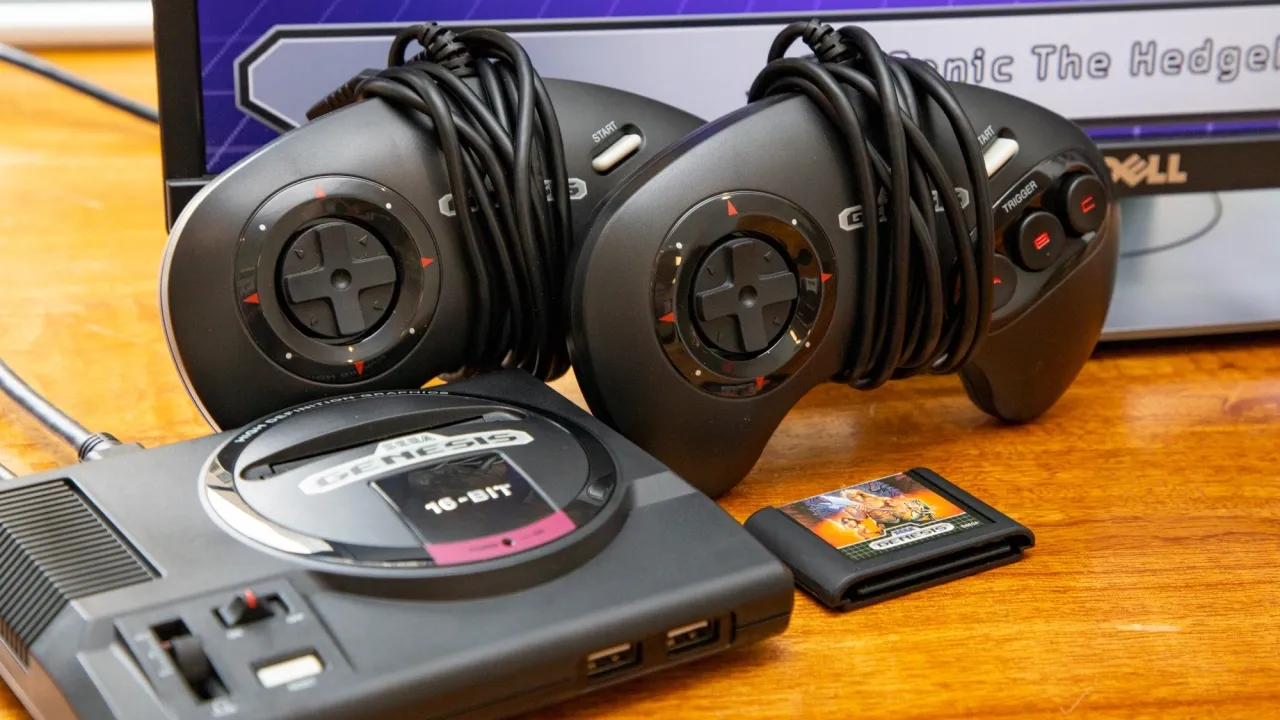
Thus, with the launch of the "SEGA Mega Drive" in 1988, Rosen decided to rename the version intended for the United States to "Genesis," clearly signifying a new beginning for the platform and its focus on a more mature audience.
The "Guardian" report confirms that Rosen sought the assistance of Michael Katz, who was an experienced executive at several companies, including "Mattel" and "Coleco," leaders in the gaming platforms field at the time.
Thanks to efforts by Katz and Rosen’s policy, the "Genesis" platform successfully penetrated the American markets after becoming a platform directed towards teenagers rather than children, thus beginning a new journey of success and giving rise to a new sector of adult game enthusiasts.
Unprecedented Innovations
"PC Gamer’s" report points out that Rosen's role was not limited to strategic planning and consecutive acquisitions of competing companies, but also included technical insights related to the games and devices themselves.
In an interview he gave to "Wired," an American tech site, in 1993, Rosen mentioned that one of the reasons for their games' success was the use of technologies that were not popular at the time, such as sound effects and special effects.