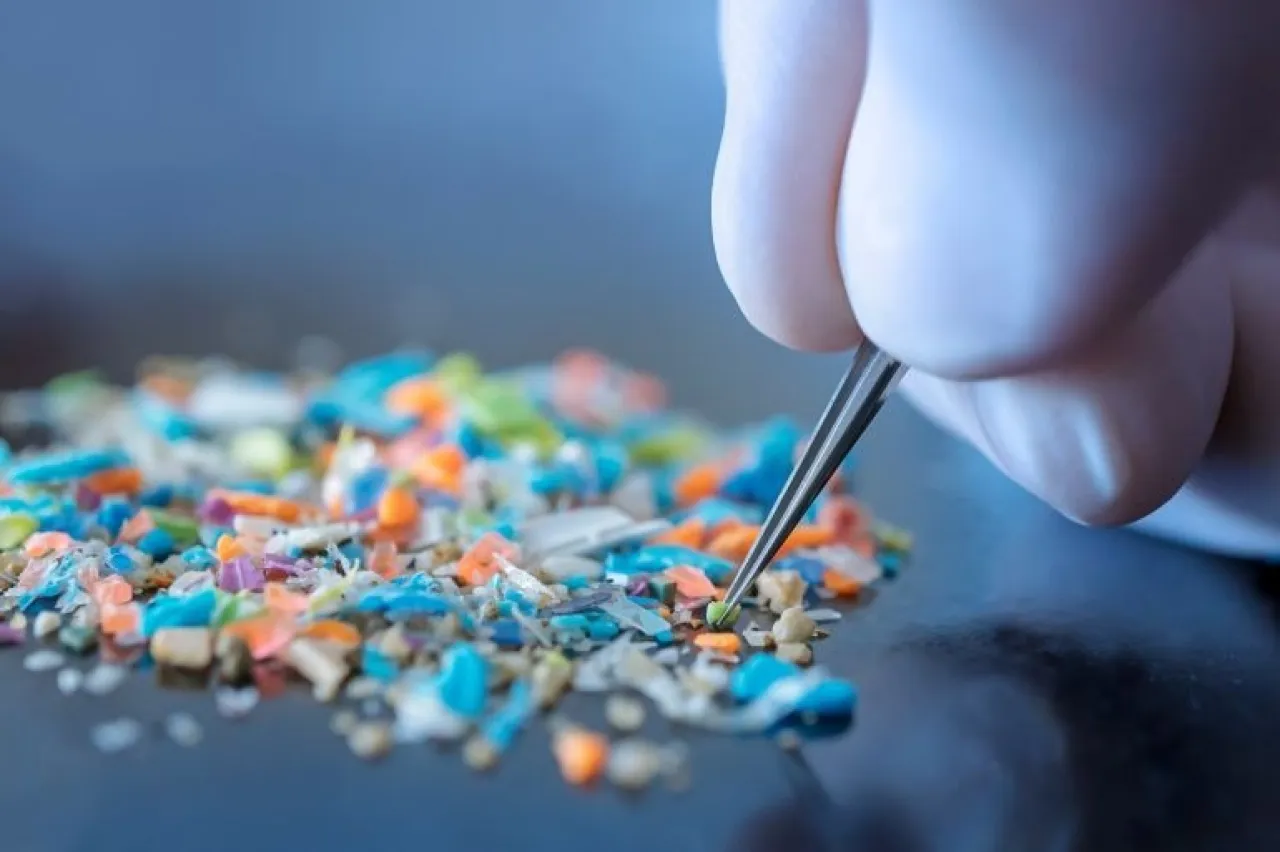
In our everyday lives, we are directly exposed to thousands of industrial and agricultural compounds, alongside additives in plastics, as well as flame retardants, which are chemical added to plastics and fabrics to reduce flammability.
According to a new extensive study published in the journal "Nature Microbiology," a team led by scientists from Cambridge University has found that a significant portion of these ordinary everyday chemicals impacts the gut microbiome, even though these compounds were not originally designed to target living cells.
The gut microbiome is a massive collection of beneficial bacteria, fungi, and viruses that live in the digestive system, helping with digestion, producing certain vitamins, regulating immunity, and protecting the intestines from harmful microbes, among many other functions.
Shocking Result
According to the new study, the research team examined the impact of 1076 substances on 22 types of gut bacteria. For methodical comparison, the study used one concentration in the preliminary test, then re-tested part of the results using a concentration gradient, to ensure that the effect did not completely disappear when reducing the dose of the chemical compound being tested.
The study found that 168 substances inhibited the growth of gut bacteria, noting that most of these substances were not previously known to have antibacterial properties.
Fungicides were among the most impactful categories, and the paper notes that about 30% of the substances in this category showed activity against gut bacteria.
The researchers also detected "broad-spectrum" substances, meaning they harmed a large number of the bacteria types tested. Examples mentioned in the study include tetrabromobisphenol A, chlordecone, and bisphenol AF, the latter being used in some plastic applications.
In addition, the study noted that when bacteria are exposed to these substances, they might alter their functioning and behavior to survive. According to the study, this is linked to mechanisms previously observed in cases of antibiotic resistance, meaning that these compounds inadvertently make the bacteria more aggressive.
Safety Assessment
Currently, traditional safety tests often focus on the intended purpose of the substance, such as targeting food safety if the purpose of the substance is food preservation, without including the gut microbiome in the equation.
Therefore, the new study suggests that incorporating this aspect into safety evaluation has become a general necessity. It adds an artificial intelligence model as a tool that predicts the potential of any new substance to affect gut bacteria.
In this context, it's important to clarify that the study does not talk about certain harm within the body, as what actually reaches the intestines from these substances varies greatly, depending on the dose, absorption, cumulative exposure, and interactions with food and drugs, etc.
This means that there is no need for extra daily precautions on your part, but only recommendations like washing fruits and vegetables well and reducing unnecessary household use of pesticides of all kinds, which are appropriate steps to reduce exposure to these risks.
However, at the policy level, the most important idea is that the safety of chemical compounds should include the safety of the human microbiome. This protects humans in the long run.