Khaberni - Dr. Mohammed Abu Salameya, director of Al-Shifa Medical Complex in the Gaza Strip, said that the cessation of bombing did not lead to an improvement in the health situation, confirming that the hospitals are facing an extremely dangerous phase with increasing patient numbers and severe shortages in medicines, amidst continuing daily deaths.
Abu Salameya explained that the decrease in injuries from bombing was met with a significant increase in disease cases, due to the spread of a severe influenza virus affecting children under one year, the elderly, and pregnant women, causing unprecedented pressure on emergency departments, according to Al Jazeera.
He pointed out that hospitals are currently operating at over 150% of their capacity, amid an almost complete lack of drugs and medical consumables, describing the current phase as one of the worst health phases the sector has experienced since the war began.
He revealed that more than 55% of essential drugs and 70% of medical consumables are unavailable, asserting that some medical specialties are facing shortages exceeding 100%, which hampers the provision of necessary care even for emergency cases.
We lack 70% of medications
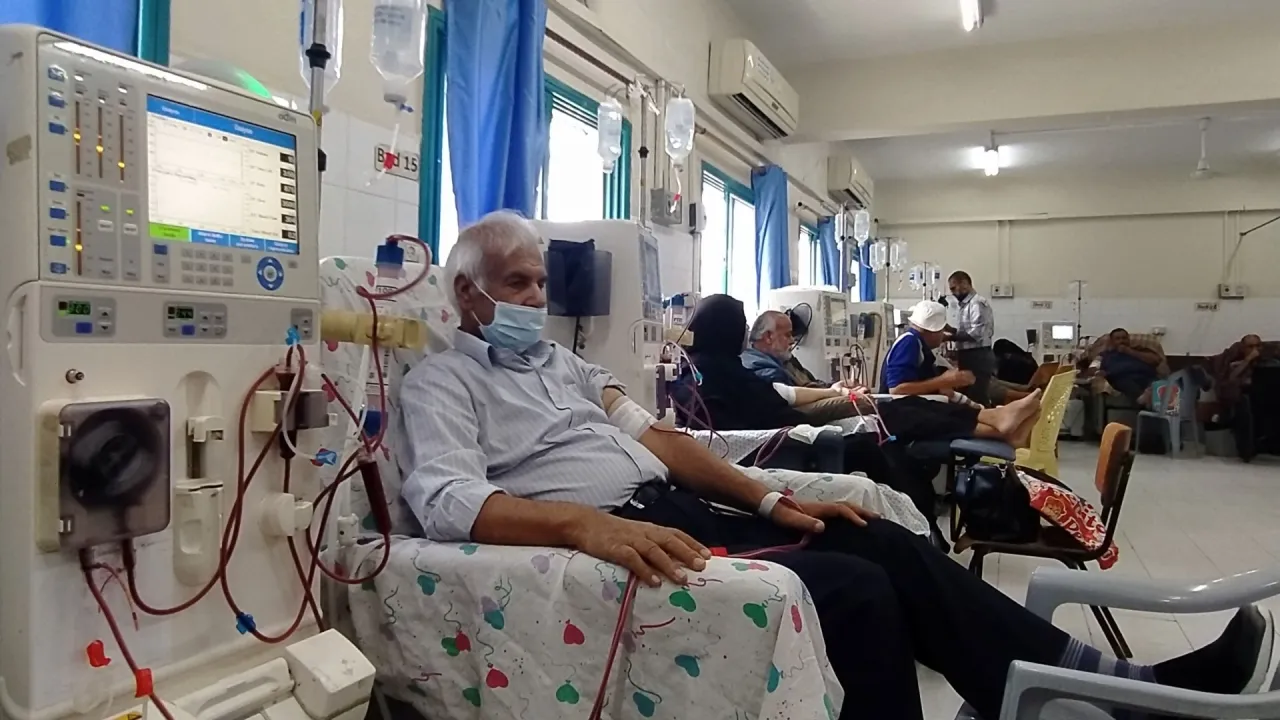
The director of Al-Shifa complex disclosed that about 50% of kidney dialysis patients have been lost, with continuing daily death registrations, amid a lack of more than 70% of their medications, noting that cancer patients are facing a similar shortage threatening their lives.
He added that tens of thousands of scheduled surgeries have stopped due to the prohibition of importing essential medical supplies, especially in surgeries related to orthopedics, chest, and vascular diseases, pointing out that the inflow of aid covers only a limited part of the needs.
Abu Salameya confirmed that since the ceasefire, the occupation has not allowed any real breakthrough in the medical realm, stating that only about 20% of the drugs that are allowed entry are aligned with the urgent needs of hospitals.
Regarding medical transfers, he clarified that over 20,000 patients had completed travel procedures for treatment abroad without being allowed to depart, leading to the death of about 1,200 patients so far, including cancer patients and children suffering from serious diseases.
Increase in death rates
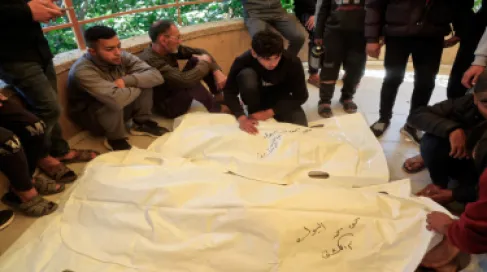
According to Abu Salameya, hospitals are witnessing a noticeable increase in deaths of chronic patients and the elderly, due to the discontinuation of treatment and the spread of respiratory diseases, coinciding with harsh cold waves that the residents experience inside tents lacking basic protective measures.
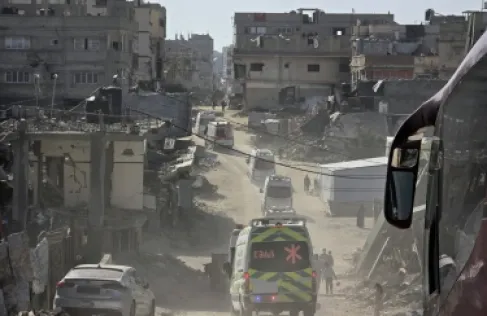
Health organizations in the sector have warned of an almost complete collapse of the health system in the Gaza Strip, due to the wide destruction that affected hospitals and the depletion of medicines, along with the continued restrictions on the entry of medical supplies.
According to the Ministry of Health in Gaza, a large number of hospitals have gone out of service completely or partially, while the remaining facilities operate with limited capabilities amid acute shortages of fuel, water, and essential medical supplies.
International medical organizations have also warned of the outbreak of infectious diseases and malnutrition, especially among children, amid overcrowding in shelters and the collapse of primary care services, which heralds a wave of preventable deaths.
Abu Salameya reiterated that the cessation of fighting does not mean the cessation of death, calling for the urgent introduction of medicines and medical consumables and the opening of crossings for patients, warning that each delay means the fall of new victims who could have been saved.