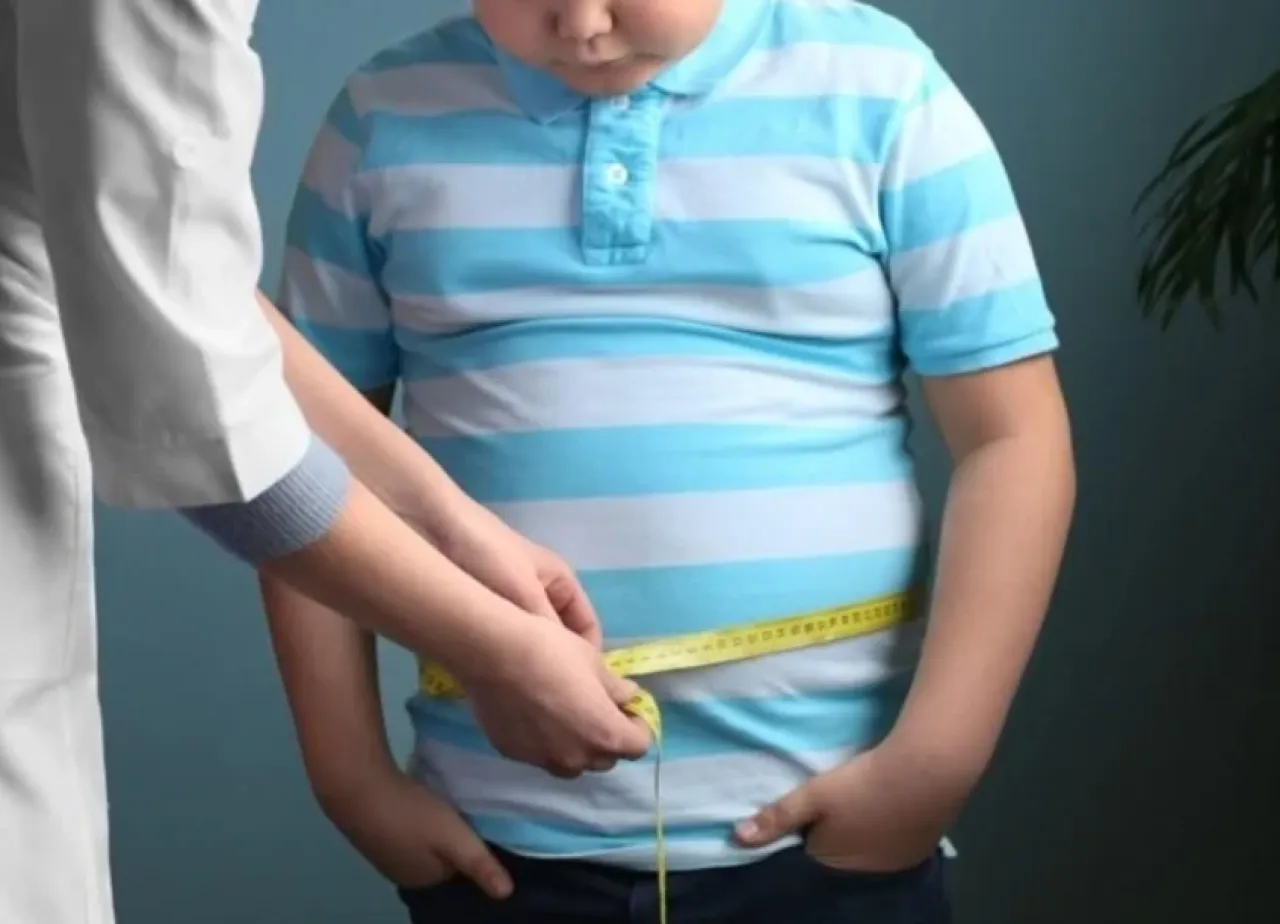
Khaberni - Despite the increasing prevalence of childhood obesity in recent years, this condition goes beyond mere weight gain.
Childhood obesity reflects our contemporary environment, rich in ultra-processed foods, digital devices, and psychological stress.
To tackle childhood obesity, doctors and families need to collaborate to develop a more accurate, empathetic, and evidence-based approach to prevention and care.
What is childhood obesity?
Today's childhood obesity epidemic includes genetic and environmental factors. While genetics play an important role in the development of obesity in children, environments rich in ultra-processed foods, screen-based entertainment, lack of sleep, and psychological stress are extremely influential factors.
Mother's health
According to "Medical Express", recent research shows that a mother's health, the way the infant is fed, and even exposure to certain chemicals during pregnancy, can affect the child's future metabolism.
In addition to pervasive food marketing, environmental and social barriers that prevent regular physical activity in various communities, these factors together create an ideal environment for increasing the risk of metabolic diseases at an early age.
The importance of early detection
The American Academy of Pediatrics and the Obesity Medicine Association recommend starting obesity screening at the age of two.
When diagnosing obesity in children, doctors look for the following:
• Comparing the child's weight and height with the expected averages for their age.
• The rate of change in the child's height and weight over time.
• Family risk factors (for example, if a parent is obese, or if the mother had gestational diabetes).
The goal is not to label children, but to help them build healthy habits at an early age, foster healthy eating patterns, physical activity, and self-confidence during their early years.
Treatment based on age
For children who have not yet reached puberty, the main goal is to regulate growth: maintaining a healthy weight until height increases normally.
Success depends on parents setting an example with healthy habits, establishing a daily routine, and encouraging activity through play.
Teenagers need more independence and support in emotional and social matters.
Effective care should include assessing their sleep, their stress levels, their tendencies for emotional eating, as well as examining bullying, depression, eating disorders, and the impact of social media.
Behavioral therapy contributes to defining obesity as a chronic and recurrent condition, not a personal failure. It enables children and caregivers to replace feelings of shame with skills.
Perhaps one of the most important things doctors can do is to talk to children with obesity (and their parents) without focusing on weight, using terms like "healthy habits" and "growth patterns" and emphasizing body acceptance, as this helps to adhere more to the recommendations.