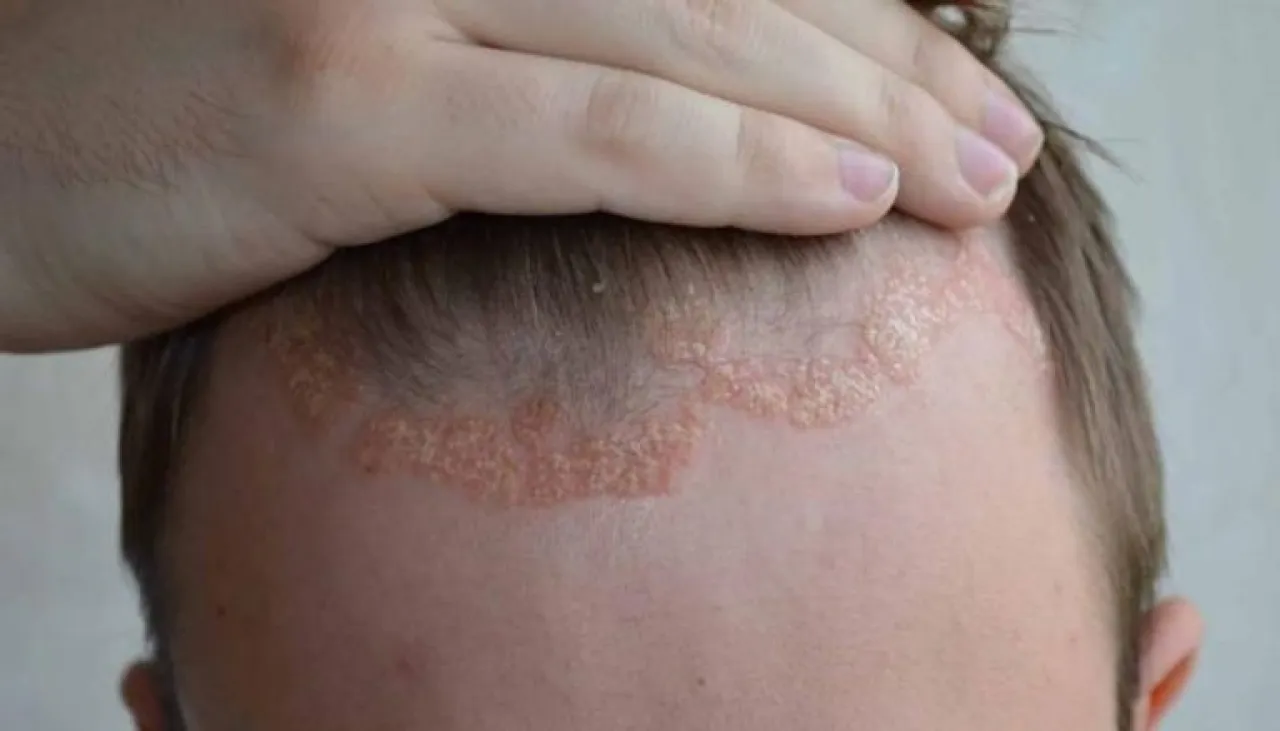
Khaberni - A medical study revealed promising results in the treatment of moderate to severe psoriasis, one of the most bothersome chronic skin diseases.
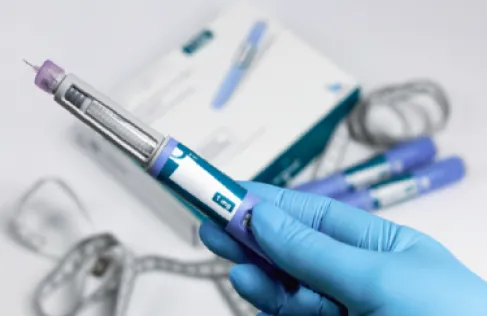
The study, led by the Oregon Research Medical Center in Portland, USA, and published in the journal "Nature Communications," showed that using higher doses than currently allowed of the drug "risankizumab," with long-term follow-up of the patients, led to rapid and marked improvement in skin clarity, with a reduction in the immune cells responsible for disease recurrence.
Psoriasis is a chronic inflammatory disease caused by an immune system disorder, and although highly effective drugs are available, the disease often returns after treatment is stopped. This is due to the persistence of a special type of immune cell known as tissue-resident memory T cells hidden within previously affected areas to reignite inflammation anew.
Effective drug.. and longer effect
Risankizumab works by inhibiting an immune protein called interleukin-23, a key component in the inflammation cascade. Previous data indicate that about 80% of patients achieve significant skin improvement after one year of treatment, while 60% achieve almost complete skin clarity.
However, the novelty of this study is that some patients maintained their improvement even after stopping the drug, which led researchers to believe that the high doses might weaken the "hidden" immune cells responsible for relapse.
Precise and long clinical trial
The clinical trial, a phase two study, involved 20 patients, half of whom received a 300 mg dose and the other half 600 mg of the drug, over just three doses during the first 16 weeks, followed by monitoring for up to 100 weeks without additional doses.
The results showed almost complete improvement in all patients after 16 weeks, total skin clarity in more than two-thirds of the patients, and continued improvement in a large number of patients nearly a year after the last dose.
To understand what happens inside the skin, researchers took precise skin samples from affected areas and analyzed them at the single-cell level using advanced genetic techniques. It turned out that the number of immune cells causing the recurrence of psoriasis had sharply decreased, especially in patients who received the higher dose.
Also, genetic signals associated with inflammation decreased, suggesting that the drug not only alleviates symptoms but may also alter the "immune memory" of the disease.
The researchers concluded that high doses at the start of treatment could open the door to longer healing periods and possibly reduce the need for continuous treatment, without raising new safety concerns.
These results offer new hope to millions of people with psoriasis worldwide and support the idea that a deep understanding of immune cells might be key to more enduring treatments in the future.