Khaberni - Many popular seasonal drinks may seem like just a simple pleasure, but in fact, they may contain large amounts of sugar exceeding what many expect. Health guidelines recommend that added sugar intake should not exceed 36 grams per day (9 teaspoons) for men, and 16–24 grams (4–6 teaspoons) for women and children, according to verywellhealth.
For comparison, a creamy-coated biscuit contains about 15–17 grams of sugar, while some winter drinks may contain double or even triple this amount in just one cup.
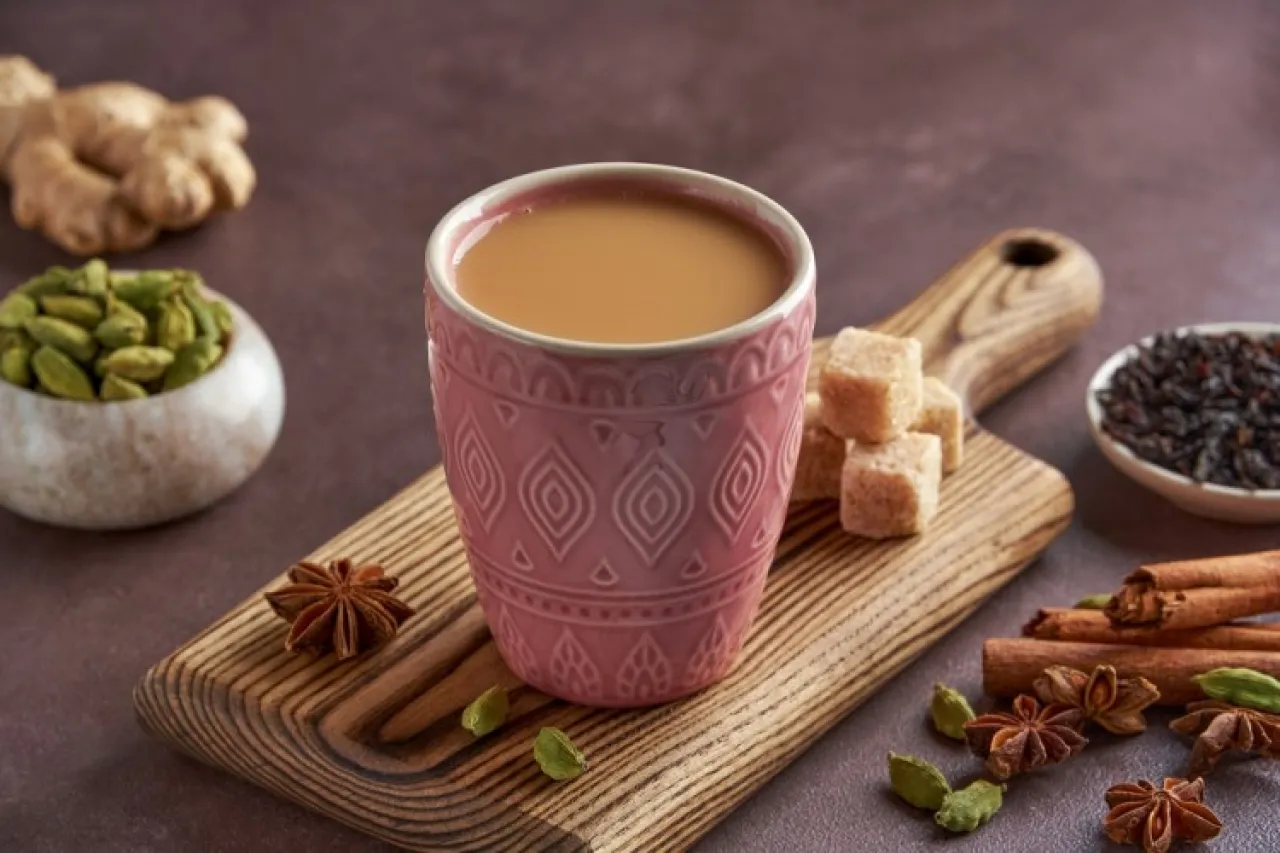
Karak tea
A common winter drink, typically made from black tea with milk, sugar, and spices such as cardamom and ginger. One cup (240 ml) contains about 20–35 grams of sugar and 200–300 calories, depending on the amount of sugar and milk used. Despite its rich flavor, the excessive use of sugar and full-fat milk can make it high in calories. Nutrition experts recommend reducing added sugar and using low-fat or unsweetened plant-based milk, relying on spices to enhance the flavor without the need for more sweetening.
Hot chocolate
Contains 36–54 grams of sugar in a 350 ml cup, especially when using ready-made mixes. Nutrition specialists recommend using unsweetened cocoa powder, with a limited amount of sugar and unsweetened milk. Adding vanilla can enhance the sense of sweetness without adding sugar, while reducing whipped cream and marshmallows can help lower the total calories.
Chai latte
Chai latte may seem like a healthy option, but it often contains 36–45 grams of sugar due to the use of sweetened ready-made concentrates. On the other hand, traditional chai is made from black tea and spices such as cinnamon and ginger. Preparing it at home allows control over the amount of sugar, benefiting from the spices to add a naturally sweet flavor without extra additives.
Sahlab
A popular winter drink, one cup of which contains about 25–40 grams of sugar and 250–350 calories, depending on the method of preparation. This is due to the use of full-fat milk, sugar, and starch, in addition to nuts or coconut. Experts recommend serving it in small cups, reducing the sugar, and using low-fat or unsweetened plant-based milk, relying on cinnamon and rose water to enhance the flavor.
In the end, nutrition experts emphasize the importance of enjoying seasonal drinks in moderation by controlling the portion. Simple adjustments and managing the amount allow enjoying winter drinks without excessive sugar intake.