Khaberni - Protests in Iran continued amid a parallel security and political escalation, as reflected in a hardline speech by the Iranian leader Ali Khamenei, against government attempts to contain public anger, at a time when the number of deaths and detentions is increasing, and the geographic scope of the demonstrations is expanding.
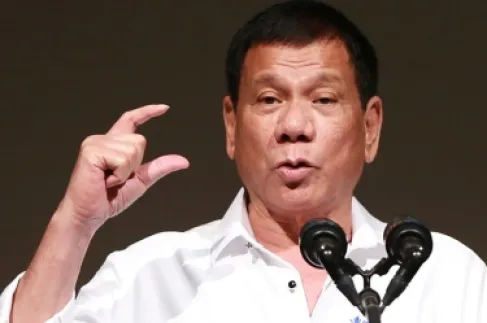
In his first direct comment on the protests, the Iranian leader described the protesters as “a group of incited individuals, agents of the enemies,” claiming that they chanted “anti-Islam and anti-Iran slogans.” Khamenei stated, “Objection is a right, but it is different from rioting,” considering that “rioters” are not worthy of dialogue, adding: “The troublemaker must be put back in his place.”
Khamenei accused certain entities behind the protests of merchants, using their economic demands for “sabotage and creating a state of insecurity,” emphasizing that supporting “faithful, peaceful, and revolutionary merchants” to create chaos is “unacceptable,” as he put it. He concluded his speech by emphasizing that the regime “will not back down before the enemy,” saying: “Relying on God and with the support of the people, we will force the enemy to kneel.”
The historical status of the market
Nevertheless, the Iranian leader stressed what he described as the “historical status” of the market and merchants in the “Islamic Revolution,” saying that they are “among the most loyal groups to the regime,” acknowledging the legitimacy of the economic demands they expressed. He added: “I heard them on TV, and I saw it in my accounts and in my work,” referring to his awareness of the merchants' complaints about the deterioration of the monetary situation, decline in the national currency value, and exchange rate instability.
Khamenei acknowledged that the exchange rate market volatility “is not normal,” considering the unjustified rise in foreign currency prices as “an act of the enemy,” but pointed out that the government, including the President and heads of the three powers, “are trying to solve this problem with various measures.”
In parallel, Iranian President Masoud Bazshkian confirmed the arrest of several merchants involved in the protests, noting that some of them “must have their issues resolved.” He said during a meeting with the Minister and managers of the Ministry of Agriculture, that the government “will not deal forcefully or harshly with anyone,” adding: “If anyone has a problem, it must be resolved immediately.” He confirmed his readiness to personally intervene and talk with the commercial sectors to address their demands.
Increase in the number of deaths
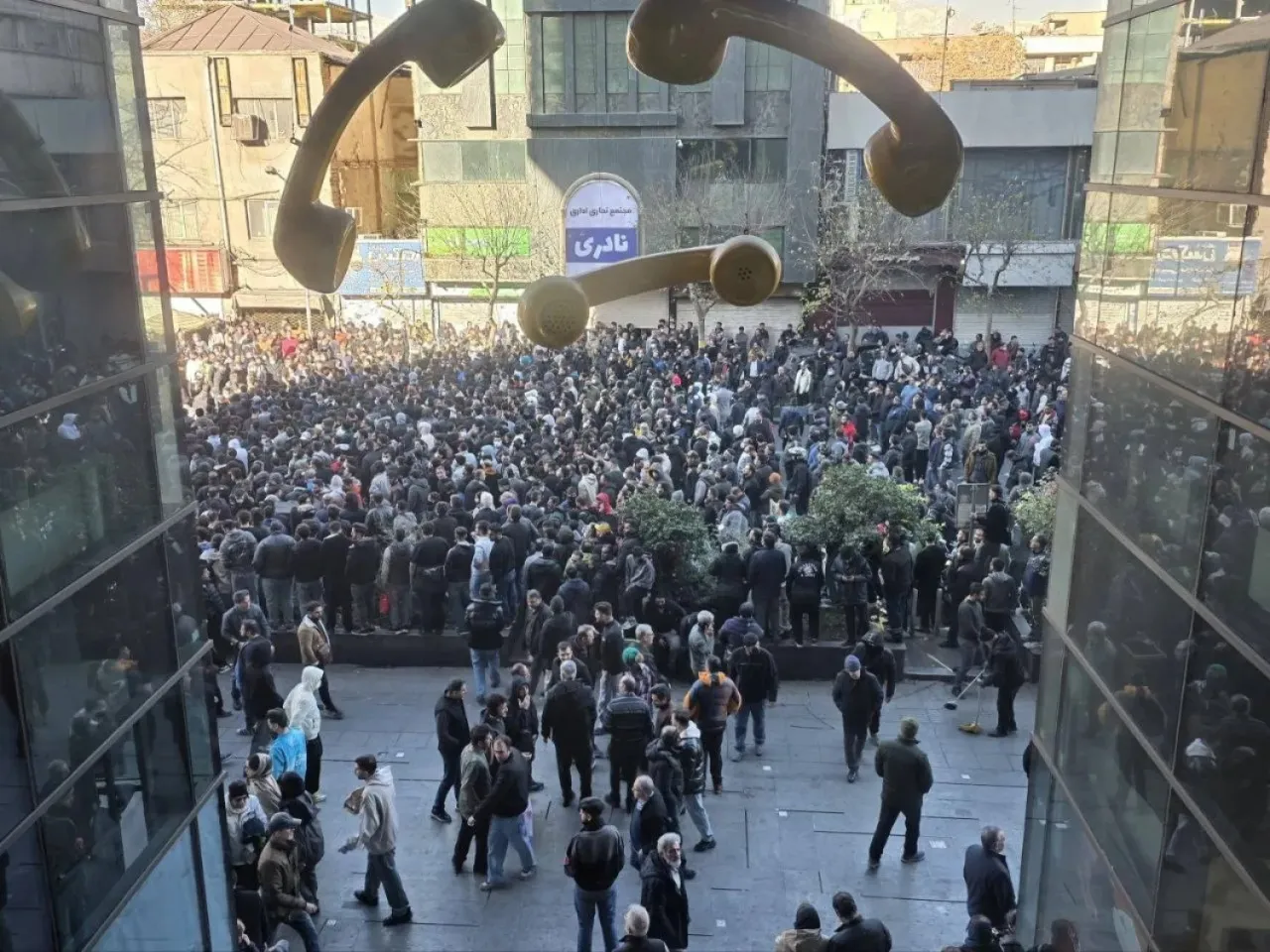
However, the field developments reflected a more complicated course, as the geographical spread of demonstrations in Tehran expanded to include Nazi Abad in the south, Sadeghiya and Sattar Khan in the west, the upscale Narmak neighborhood in the north, and Tehran Pars in the northeast of the capital during the dawn of the seventh day.
The Associated Press reported that two individuals were killed in violence related to the protests, raising the number of deaths to at least 10 people. One of the incidents occurred in the city of Qom, a stronghold of the clergy in Iran, where a grenade explosion resulted in the death of a man, authorities said he was carrying it with the intention of attacking people in the city. Videos circulated online showed fires in the city's streets at night.
The second incident occurred in the town of Harsin in Kermanshah province, where a member of the “Basij” forces affiliated with the “Revolutionary Guard” was killed in an attack using firearms and knives, as reported by official media.
The Reformist Front, supporting President Bazshkian’s government, warned that security approaches and widespread arrests and use of threatening language do not contribute to resolving the crisis. The front stated in a statement that “peaceful protests connected to the deterioration of living conditions, discrimination, corruption, social restrictions, and weakening legal participation mechanisms represent a fundamental right that cannot be denied to citizens.” At the same time, the front described the management of the government's response to protests by Bazshkian as “peaceful and a positive step,” however, not sufficient in a longer process of rebuilding public trust.
The Human Rights Activist News Agency, based in the United States, reported that the demonstrations spread to over 100 sites in 22 of Iran's 31 provinces, indicating their widespread nature. It is widely believed that a message from U.S. President Donald Trump resonated within Iran.
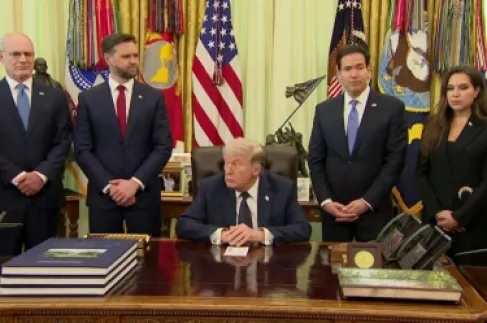
Trump had issued, through his platform “Truth Social,” on Friday, a severe warning against any violence towards the protesters, asserting that the United States “will intervene to save them” in case they come under any attack, adding: “We are ready,” without clarifying the nature of this intervention.
Member of the Committee for National Security and Foreign Policy in Parliament, Ismail Kowsari, threatened targeting U.S. bases in the region, in response to statements by the U.S. president supporting peaceful protests in Iran.
Kowsari, a general of the “Revolutionary Guard” in the parliament, told the reformist agency “ILNA” that “Americans have bases in many parts of the world, especially in West Asia, and then they will face a disaster that will force them to collect their bases and flee.” He described Trump’s message as “encouragement and incitement for troublemakers.”
Meanwhile, the “Guardian” newspaper, in a report on the protests in Iran, said that the economic crisis, high inflation rates, and a sharp increase in living costs, including a roughly 50 percent increase in food prices compared to last year, played a major role in sparking these protests.
The newspaper claimed that the impact of the “12-day war” between Iran and Israel in June, which opponents said damaged the regime’s image of “impregnable strength,” enhanced the feeling of its vulnerability and weakness.
Arrests
In this context, the public prosecutor of Hamedan province center, Abbas Najafi, announced the arrest of a number of citizens during the protest gatherings and the opening of legal cases against them, without disclosing their number or detention locations.
Media outlets close to security apparatuses reported the arrest of three citizens, including a teenager, in the cities of Isfahan, Khorramabad, and Amol. The “Fars” agency affiliated with the “Revolutionary Guard” reported that the teenager arrested in Isfahan was carrying a handgun and intended to “create chaos.” The “Sabrin News” website published a video of a citizen's arrest in Amol, claiming he was planning organized rioting, while media released filmed confessions of him in unspecified circumstances.
In Khorramabad, the state-run “Mehr” agency reported the arrest of a citizen by the “Revolutionary Guard,” accusing him of “dragging the protests into chaos and executing a staged murder project,” pointing to the finding of weapons and ammunition at his hideout. The “Revolutionary Guard” in Lorestan province also announced the arrest of what it described as “one of the main perpetrators of terrorist operations,” saying he was assigned by external intelligence services to incite and carry out murder operations, and was found with machine guns, pistols, ammunition, and detonators in his possession.
In the midst of these developments, channels close to the “Revolutionary Guard” broadcasted a video of Quds Force commander Ismail Qaani during his visit to the shrine of Qassem Soleimani on the sixth anniversary of his killing in an American raid in Baghdad, in a message with political and security implications.
International concerns
Internationally, the German Foreign Ministry expressed its “deep concern” about reports related to the repression of protestors in Iran, affirming its vigorous monitoring of the situation and calling on Tehran to adhere to its international human rights commitments. Berlin pointed to its support for the UN fact-finding mission and the implementation of European Union sanctions against those involved in suppressing the protests.
Amnesty International expressed its great concern about reports of protestors being killed during protests linked to the deteriorating economic conditions.
So far, the current protests in Iran have not reached the level of the protest movement that shook the country in late 2022 following the death of Mahsa Amini while she was being detained by the morality police, which turned into the largest wave of popular protests lasting months and resulted in hundreds of deaths.
However, the current field indicators show a different course in timing and dynamics, as the movements gradually shift to smaller cities, with a resurgence of nighttime protests and the expansion of arrests and security coverage, making it too early to determine their ultimate scope or to rule out the possibility of them transitioning to a broader stage depending on how the authorities respond to them in the coming period.