Khaberni - Missiles alone were not what woke Venezuela up this morning, as there was news at the presidential palace that marked a turning point for the security and politics of the entire country.
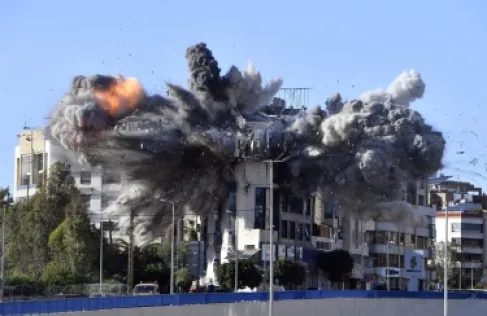
In the capital, Caracas, as in its surroundings, the situation seemed like a sudden war as missiles rained down from the sky, and it was not hard to guess what was happening.
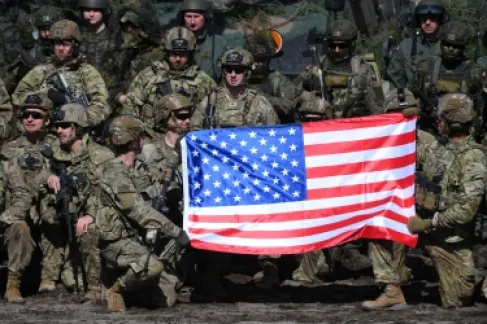
A few hours later, American President Donald Trump announced that American forces had arrested Venezuelan President Nicolas Maduro after executing a "widespread strike" in Venezuela.
Trump stated on "Truth Social" platform that "the United States successfully carried out a widespread strike on Venezuela and its president Nicolas Maduro who was arrested along with his wife and transferred out of the country."
While waiting to learn his fate, Al-Ain News showcases the major milestones in the journey of a man who went from Hugo Chavez's heir to Trump's adversary:
Chavez's Successor
When he chose him in 2012 to be his successor, Chavez (1999 - 2013) praised a young man he considered to have "the best capabilities" to lead Venezuela, which was all the successor needed to rise and assert himself in a volatile environment filled with adversaries, even within the “United Socialist Party” he presides over.
From humble origins, often boasting about being a bus driver and a man of the people characterized by simplicity and realism, in his talks he was never boastful even after his ascendancy to power, often elaborating in his media interviews about baseball and evenings in front of the TV with his wife Celia Flores.
He describes his wife as "the first fighter," and she is a former public prosecutor and a permanent presence on the political scene in Venezuela.
Despite the criticisms he faced and the assessments he says did not do him justice, Maduro succeeded in remaining in power despite an unprecedented economic crisis and especially the international sanctions imposed on the country.
Childhood.. On the Margin
Maduro Moros was born on November 23, 1962, in "El Valle," one of the most bustling working-class neighborhoods in Caracas.
His political awareness formed in the seventies, amid the Venezuelan oil boom that created obscene wealth for a few citizens and extreme poverty for the majority, meaning he
did not graduate from the military academies that shaped the persona of his predecessor and mentor Chavez.
His father was a unionist who introduced his son to political debates, and his mother was a teacher, meaning that culture was present in the household, but without any luxury.
In his early days, specifically in his twenties, he moved up the ranks of the Metro workers union which he initially established parallel to the official unions, reflecting his early understanding of the power of real organizational structures on the ground.
In that environment, he formed his understanding of the unions' organizational experience and acquired skills that became his most important asset when he later met Hugo Chavez.
Milestones
On October 12, 2012, Chavez chose him to serve as vice president, and on March 8, 2013, he took the constitutional oath as interim president following Chavez's death.
On 14 April 2013, Maduro won the presidential election by less than two percentage points, while his opponent Henrique Capriles Radonski demanded a recount of the votes.
On 19 April 2013, Maduro took the constitutional oath.
On February 12, 2014, ongoing student protests attracted global attention when three people were killed, and major social and economic problems fueled the protests, with some blaming the government for these problems.
February 21, 2014: Maduro invites former US President Barack Obama to "accept the challenge" of direct talks with Venezuela.
January 15, 2016: After years of issuing economic data, Maduro declares a state of economic emergency.
May 13, 2016: Maduro declares a constitutional emergency, which expands the state of economic emergency he declared in January.
October 30, 2016: Maduro engages in talks with political opponents for the first time in two years.
July 30, 2017: Elections were held to replace the National Assembly with a new pro-Maduro legislative body called the National Constituent Assembly, amid clashes between police and protesters, at least six people were killed.
July 31, 2017: The US Treasury Department sanctions Maduro's assets and prohibits US citizens from dealing with him. This came a day after the elections for a new legislative body.
January 24, 2018: Maduro announces that he will run for re-election.
May 20, 2018: During elections denounced by opposition leaders and the international community, Maduro won another six-year term.
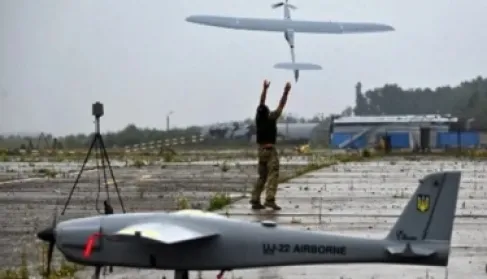
August 4, 2018: Several drones armed with explosives fly towards Maduro in an apparent assassination attempt during a military parade.
The next day, the Interior Minister announced that six people had been arrested in connection with the attack.
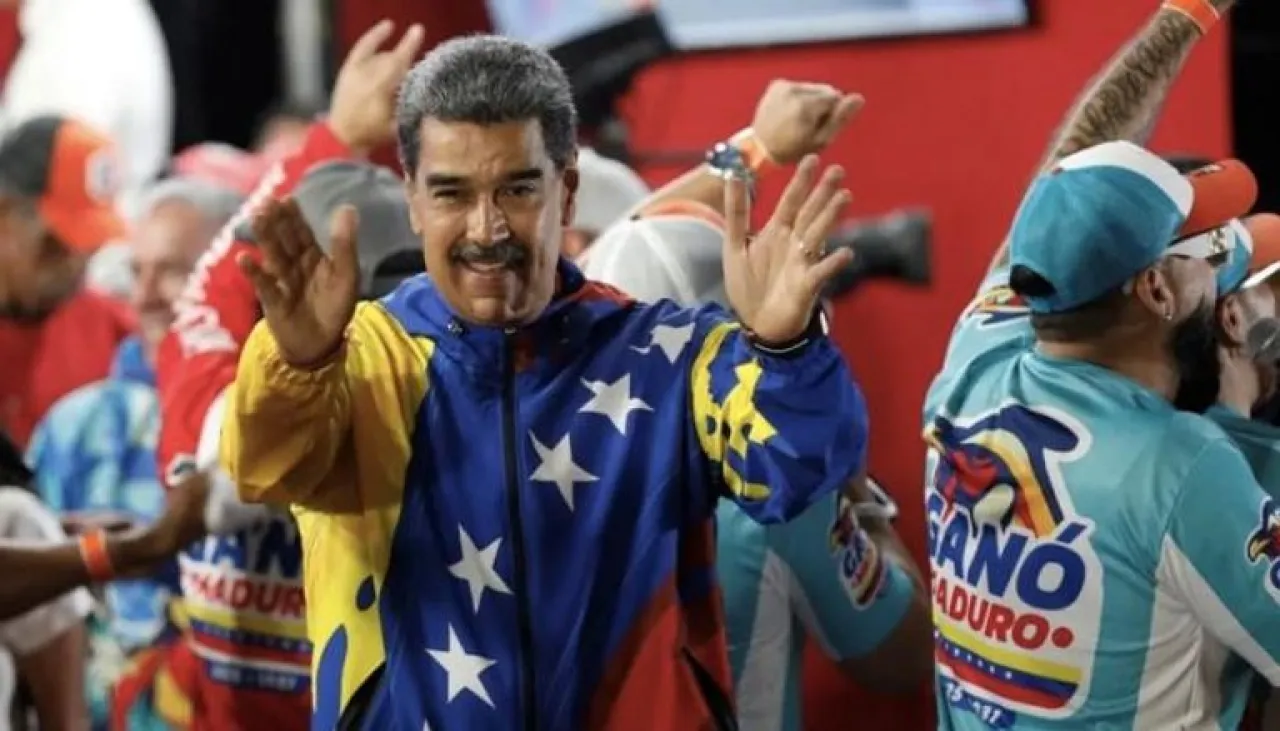
Won a third term in the elections of July 28, 2024.
And on the morning of Saturday, January 3, 2026, Trump announced that US forces had arrested President Nicolas Maduro after executing a "widespread strike" in Venezuela.