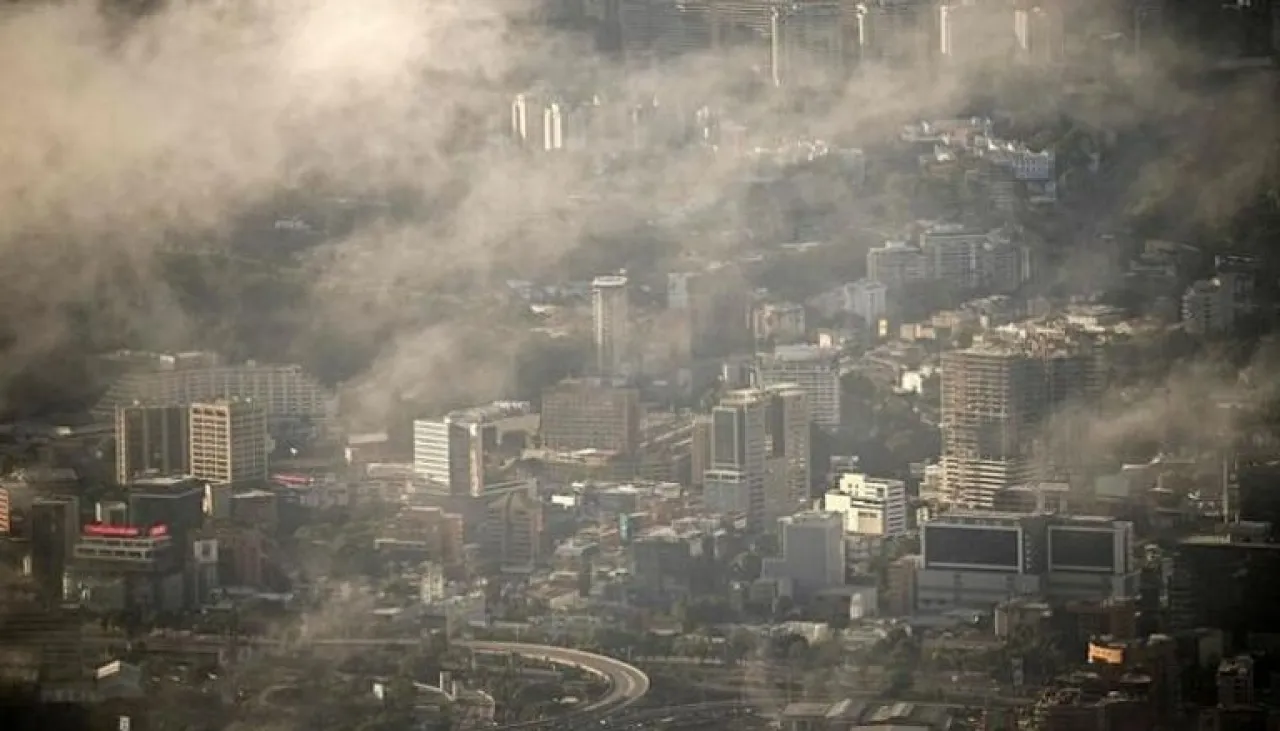
Khaberni - The Venezuelan capital Caracas was shaken early this morning by sounds of powerful explosions accompanied by a roar resembling the flight of airplanes.
The sounds were heard starting from around 2:00 AM local time, according to correspondents from Agence France-Presse.
Until 6:15 GMT, the sound of the explosions continued, without any official clarifications from the authorities about their nature or source.
Reuters witnesses mentioned that loud noise sounds were heard in the Venezuelan capital, Caracas, in the early hours of this Saturday, and that the southern area of the city, near a major military base, was without electricity.
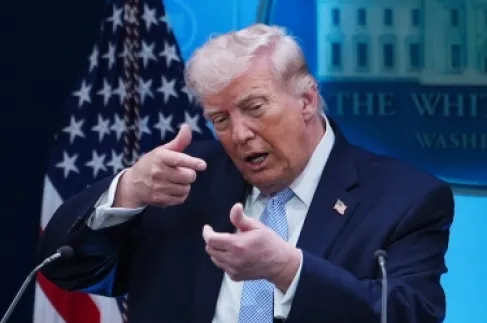
These security developments come at a time when the Caribbean region is experiencing escalating tension, against the backdrop of threats issued by US President Donald Trump regarding launching strikes on Venezuela, within the context of tightening political and economic pressures on the government of President Nicolas Maduro.
Alongside the security uncertainty, Venezuelans' fears are growing that the tightening of US measures, especially the blockade imposed on oil tankers, may lead to the return of the severe shortage of basic supplies, despite repeated assurances by Maduro that the country is "self-sufficient." However, memories of the 2016 and 2017 crises are still very much alive in the collective memory.
University professor Orlando Bustamante (54 years old) said, "The ghost of material shortage is still present in our memories. We have not forgotten those days of hardship," referring to a period during which citizens had to stand for long hours in front of almost empty stores to obtain basic goods such as meat, flour, and corn, which are key ingredients in making "arepa," the most famous daily food in Venezuela.
During that phase, the shortage arose due to the decline in oil prices, the main resource for the country's economy, alongside a scarcity of foreign currencies needed for imports, and strict control over prices and the foreign exchange market, which led to a decline in domestic production.
These conditions contributed to the migration of about seven million Venezuelans since 2013, according to United Nations estimates, with the majority of them during the crisis years.
The Venezuelan government has consistently attributed these crises to an "organized economic war" led by the opposition and the private sector, supported by US sanctions.
Washington has been imposing economic sanctions on Caracas since 2017, before imposing, in January 2019 during Donald Trump's first term, an oil embargo aimed at choking the Venezuelan economy.
In contrast, economic analysts believe that poor economic management, especially strict control over foreign exchange and low productivity of public sector companies, were among the primary structural causes of the crisis. Bustamante said, "We sometimes fear the return of shortages. If the oil sector does not prosper, the country's situation will deteriorate."
With the rising concern, talks about the black market that thrived during the 2016-2017 crisis have resurfaced. Ana Campos (62 years old), a housewife, said, "I do not want to hear anymore about traders who made enormous amounts of money at our expense. And I don't want to be treated like a cow again," recalling scenes of writing numbers on citizens' hands to organize queues in front of stores.
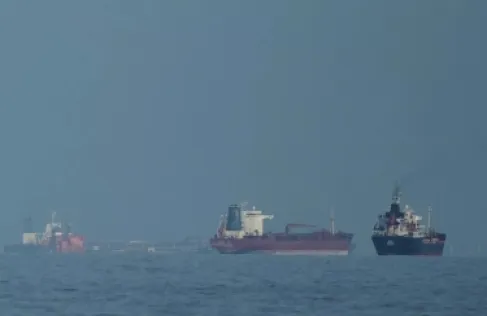
In December last year, Trump announced the imposition of a "total and complete blockade" on oil tankers "subject to sanctions" sailing to and from Venezuela.
The US Coast Guard and Department of Defense seized two tankers, each carrying more than one million barrels of oil.
According to the website "Tanker Trackers," which specializes in tracking ships, about 17.5 million barrels of oil are still stuck on tankers that "cannot leave Venezuela due to the blockade."
Washington says these measures aim to stop funding drug trafficking, while Caracas accuses Trump of seeking to overthrow Maduro to take control of Venezuela's oil reserves, the largest in the world.
In the midst of this foggy scene, citizens have begun stocking provisions in preparation for the worst.
Bank employee Sergio Diaz (32 years old) said, "Anything could happen, and we might not be able to leave our homes," but he noted that high inflation and the low value of the bolivar against the dollar limit his ability to stock enough food supplies, confirming that he had consumed his stock twice.
Analysts expect that the oil blockade will lead to a decline in exports and revenues, which will reflect a reduction in the import of raw materials necessary for the production of fuels and food.
The 2020 gasoline shortage crisis is also still fresh in memory, with the return of car queues to gas stations in the border areas with Colombia in recent weeks.