Khaberni - Our health faces a hidden challenge through our daily food amidst the increasing reliance around the world on intensive agriculture and chemical treatments.
Emerging scientific evidence suggests that exposure to common insecticides, especially the "neonicotinoid" class, may have quiet but profound effects on male reproductive health.
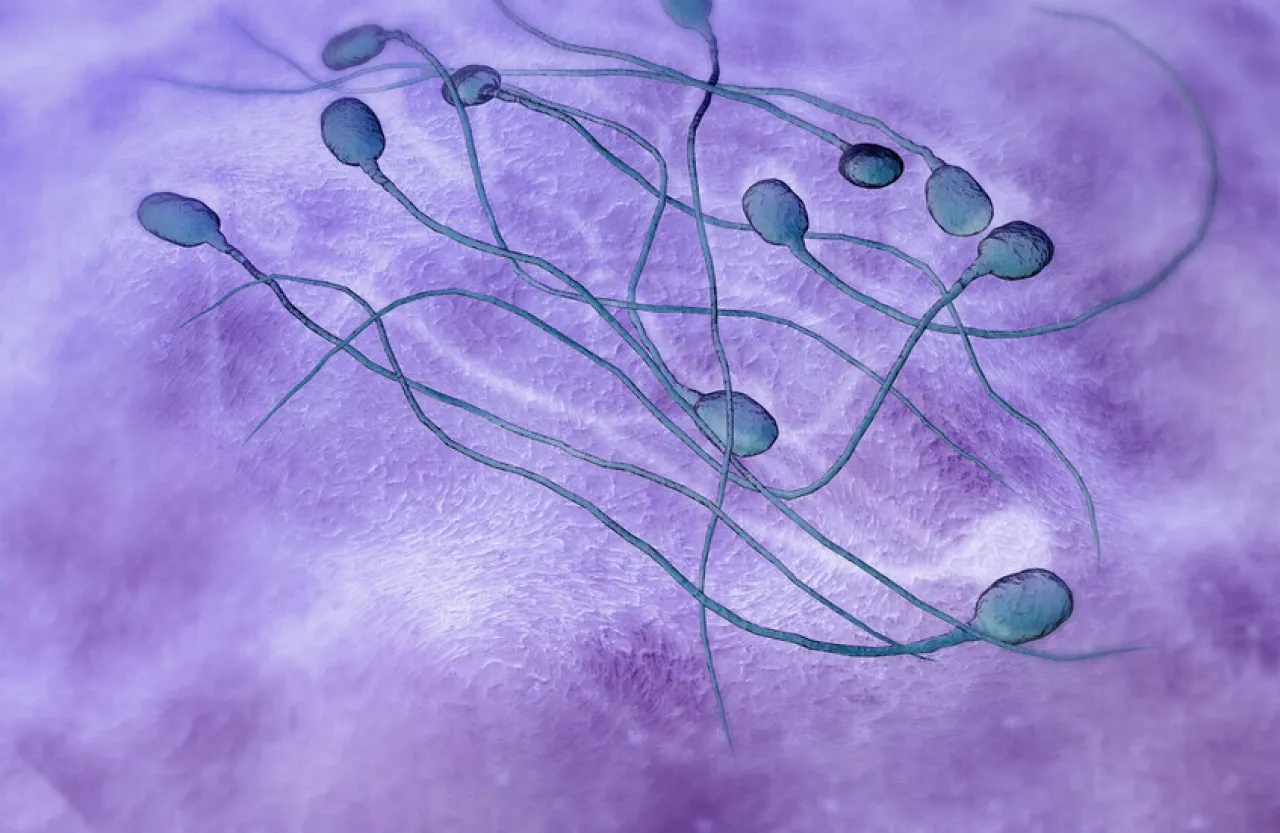
Through detailed analysis of 21 scientific studies conducted between 2005 and 2025, researchers from George Mason University have reached a troubling conclusion: exposure to these pesticides may lead to decreased sperm quality, hormonal imbalances, and even damage to the tissues of the testicles themselves.
Although these findings are based on research conducted on rodents, the consistency and clarity of the results raise serious questions about their potential effects on humans.
Sumaya Safia Irfan, the lead author of the study, says, "We have found that these chemicals could cause a reduction in sperm quality, disrupt hormones, and damage testicular tissues." Veronica Sanchez, a co-researcher, adds, "Many may not realize that pesticide residues on food could be a contributing factor to fertility issues."
The danger of neonicotinoid pesticides lies in their status as the most widely used worldwide, and they are broadly applied in modern agriculture. When sprayed on crops, they do not just remain on the surface but are absorbed into the soil, water, and plant tissues themselves, making their way into our food chain in ways that are difficult to avoid.
The U.S. Food and Drug Administration recommends thoroughly washing fruits and vegetables to minimize risks, but this measure has its limitations. Researcher Irfan emphasizes an important fact: Although washing fruits and vegetables can reduce the amount of surface pesticides, this procedure alone is not sufficient to protect against all risks.
She explains, "The basic problem lies in the nature of the 'neonicotinoid' pesticides themselves, as these pesticides do not just stay on the surface of the plant but are absorbed internally spreading throughout all plant tissues, from roots to leaves and even the fruits themselves. Therefore, washing the external surface will not remove these pesticides that have become part of the internal structure of the plant."
Irfan says, "These pesticides integrate with the plant itself, so even with thorough cleaning, the chemicals remain inside the fruit. Practically, it is nearly impossible to completely eliminate them by regular washing."
According to researchers, a more realistic solution is to be aware of what we buy and make responsible shopping choices, emphasizing the need to support safer agricultural practices.
The researchers assert that the direct effects on human reproductive health are still not entirely clear and require further in-depth study. Sanchez says, "These findings call for reflection.. There must be more research on the effects of these pesticides on humans so that we can begin to discuss mitigation strategies."
This research serves as a wake-up call reminding us that food security is not just about providing food, but also ensuring that its production methods do not carry hidden risks to our health in the long term.