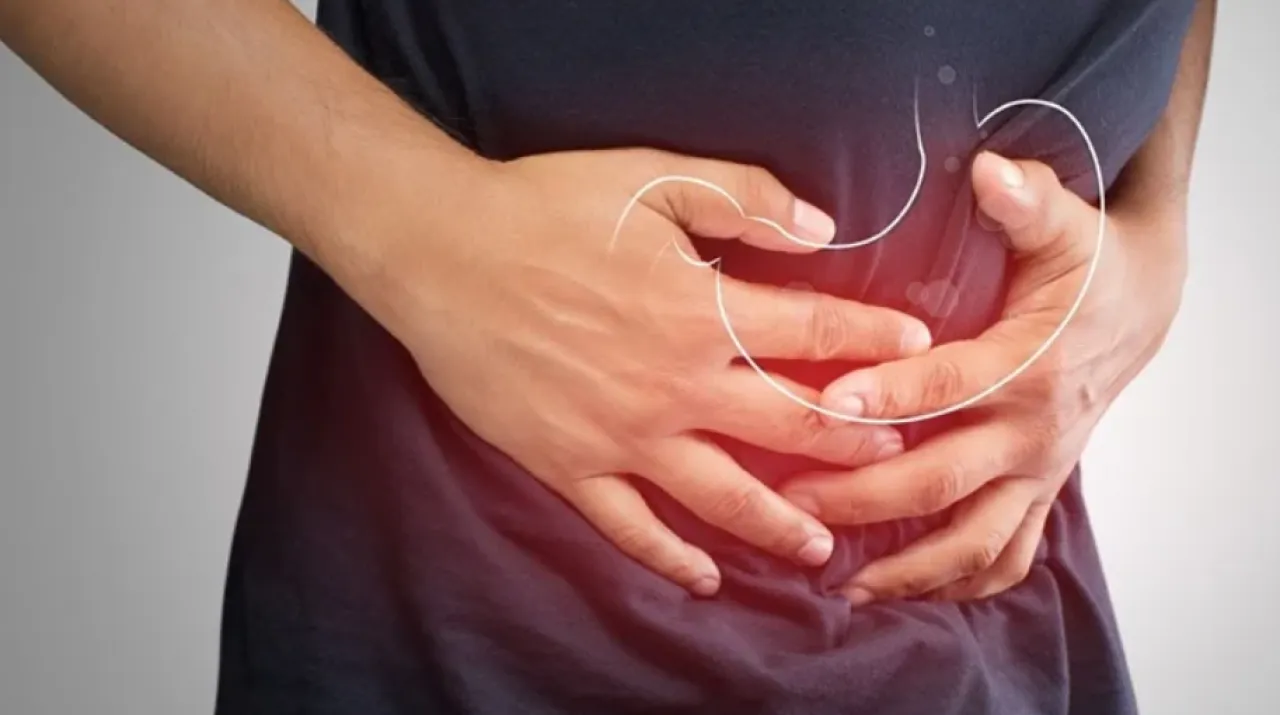
Khaberni - Do you sometimes feel like your food is too heavy in your stomach? The reason might be a condition called gastroparesis, which is a disorder that affects about a quarter of the population and causes slow stomach emptying.
Dr. Braden Kuo, head of the Gastroenterology Department at Columbia University and NewYork-Presbyterian Hospital, explains that symptoms of this condition include feeling full quickly, nausea or vomiting, and pain or discomfort in the abdomen.
These symptoms may be caused by an ulcer, inflammation, or blockage, and doctors should rule out these possibilities first, as Kuo clarified.
Diagnosing Gastroparesis
He adds that "when all other test results are negative and the patient continues to complain, it increases the likelihood of gastroparesis."
According to "Health Day," most often it happens without a clear cause. However, sometimes, it results from other conditions that damage the nerves that help move food, liquids, and waste through the digestive system.
The Impact of Diabetes
One of the most common conditions that results in gastroparesis is uncontrolled diabetes.
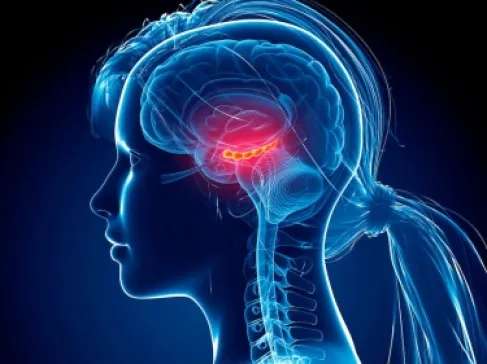
Diabetes can damage the nerves, including the vagus nerve, which sends signals to the stomach muscles to contract or relax.
Some autoimmune diseases and nerve damage caused by viruses can also stop the digestive process.
Kuo points out that "many people get sick during a viral infection accompanied by digestive disorders, and most recover within a couple of days or a week."
But he added that some do not completely recover from nausea, vomiting, and discomfort.
Kuo explained that the virus somehow alters the nerve endings in their intestines and how they perceive things.
Tips for Gastroparesis Patients:
• Eat smaller meals that contain less fat and fiber.
• Cook food thoroughly and chew it well.
• Drink plenty of water or other fluids.
• Walk a little after eating.
• Avoid carbonated drinks and lying down after eating.