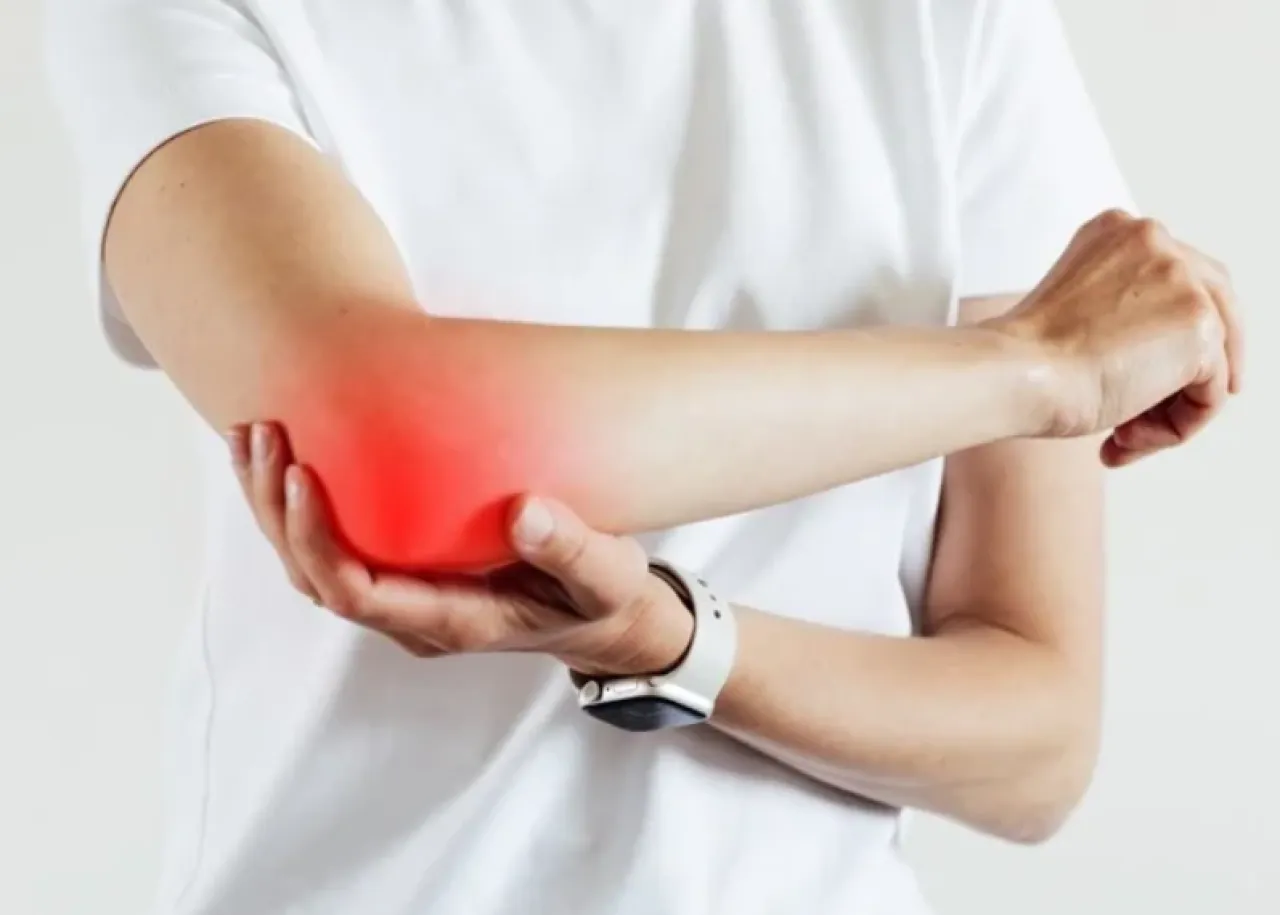
Khaberni - With the drop in temperatures in winter, many find themselves directly confronting "annoying" joint pains, whether they are due to old injuries, advancing age, or autoimmune inflammations. While pharmacy shelves are filled with painkillers and creams, health experts have revealed a "natural weapon" that might already be in your kitchen.
In a report published by Mirror, Dr. Syed Nadeem Abbas (from Dr SNA Clinic) stated that the solution doesn't always start from the medicine cabinet, but from the fruit basket, identifying three common types of fruit that together form a shield supporting the health of bones and cartilage.
Dr. Abbas points out that the secret of the benefit lies in the "teamwork" of elements in oranges, apples, and bananas. This combination provides a mix of vitamin C, quercetin, and potassium, elements that work together to reduce inflammation and rejuvenate tissues.
Oranges.. the collagen architect
The benefits of oranges are not limited to resisting colds, but it is the primary source of vitamin C necessary for collagen production. This protein acts as "cement" that grants flexibility to cartilages and ligaments.
Apples.. the enemy of silent inflammation
Apples contain the magical compound "quercetin", a strong antioxidant that helps to soothe "low-grade" inflammations that accumulate in the joints over the years. Including apples in your daily routine means giving your joints a chance to breathe away from chronic inflammatory pressure.
Bananas.. the personal bones guard
Bananas are not just an energy source, but a storehouse for potassium. This mineral helps maintain bone density and supports the functions of muscles surrounding the joint. When muscles are strong and bones are solid, the direct burden on the joint decreases, facilitating movement and reducing the sensation of pain.
Despite the amazing benefits of this trio, Dr. Abbas emphasizes the importance of balance, as the dietary change must be part of a comprehensive system that includes:
Regular physical activity to maintain joint flexibility.
Weight control to alleviate the pressure on the knees and back.
Medical follow-up to ensure there are no causes requiring pharmaceutical intervention.