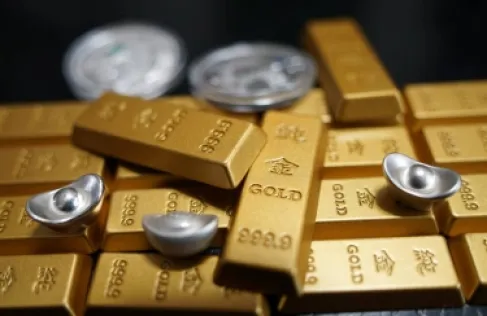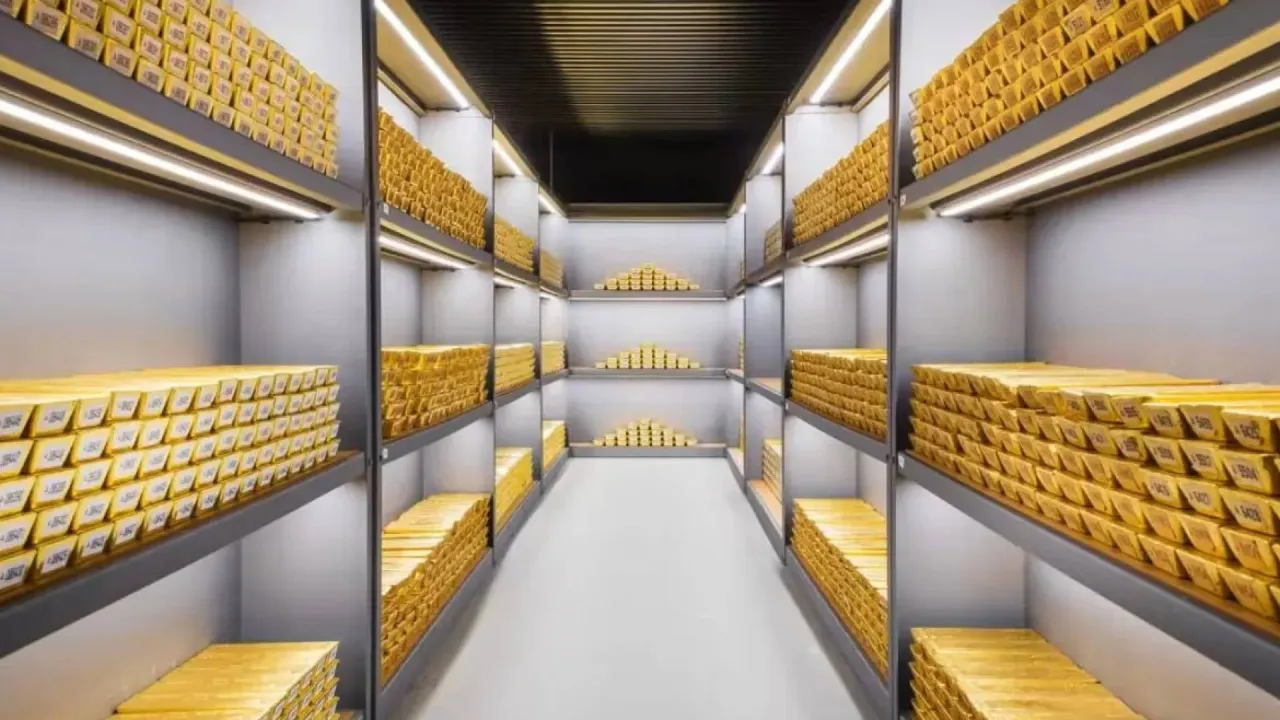
Khaberni - Canada stands alone among the Group of Seven major nations by recording "zero tons" of official gold reserves according to 2025 data, thus becoming the only state among the world's major economic powers that does not possess any stock of the yellow metal.
This shift is the result of a series of political and financial decisions taken over decades, which culminated in the sale of all gold assets held by the state.
From peak reserves to the path of liquidation
The roots of Canada's gold wealth date back to the mid-20th century; at that time, it held one of the largest global reserves. In 1965, the reserve totalled more than a thousand tons, with an estimated value then reaching $1.15 billion.
However, 1980 marked a turning point when the government and the central bank decided to start a gradual gold liquidation program, considering it an asset "not productive of yield" and replacing it with more liquid assets such as foreign currencies and government bonds.
Sales accelerated over three decades
The period between 1986 and 1993 saw a significant acceleration in sales; Canada divested approximately 437 tons of its gold, reducing the stock from 625 tons in 1985 to less than 190 tons at the beginning of 1994.
This approach continued at the beginning of the new millennium; additional quantities were sold between 1994 and 2002, in what was considered an official movement towards diversifying international reserves away from precious metals.
The final closing of the file in 2016
Entering the second decade of the millennium, Canadian fiscal policy brought gold reserves to very symbolic levels.
In late 2015 and early 2016, the government sold the few remaining tons, until official reports revealed the stock had dropped to just a few "ounces", before announcing the complete depletion of the reserve.
The Canadian authorities justify this choice by their desire to possess highly liquid assets that can be readily used for market interventions, unlike gold which does not yield periodic returns.
Canada stands out from the central banks' flock
This decision astonishes economic circles as it contradicts recent global trends; since 2010, most major central banks have moved towards bolstering their gold reserves as a safe haven amidst geopolitical turmoil.
While countries like the United States, Germany, and Italy hold thousands of tons, Canada remains content with what it possesses of internal mines managed by the private sector, which are not considered part of the state's official financial reserves.