Khaberni - The eyes of technology enthusiasts are turning to the year 2026, which appears to be one of the busiest years for launching smartphones, with major companies worldwide preparing to introduce new generations of their devices across various categories, from budget and mid-range phones to flagship models.
Early indicators suggest that the competition will be fierce, driven by the momentum achieved by recent releases during the current year.
According to followers, it is expected that Apple and Samsung will once again dominate the scene, with plans to launch the iPhone 18 series and Galaxy S26 series, in addition to other companies like Realme, Redmi, Oppo, and Google entering the 2026 race strongly, focusing on improvements in camera technology, artificial intelligence, and overall performance.
Realme kicks off the 2026 season
The Realme 16 Pro 5G series is among the first phones anticipated to be launched in 2026, with its official release set for January 6, marking the beginning of its global market debut.
The series includes two models, the Realme 16 Pro 5G and Realme 16 Pro+ 5G, which have been designed in collaboration with the renowned Japanese designer Naoto Fukasawa.
The series is distinguished by being equipped with a main rear camera with a 200 megapixel resolution, while the Pro+ version gets a periscope camera with 50 megapixel zoom, with hints of an updated design and improvements at the processor level.
Redmi competes with the Redmi Note 15 5G
On the same day, January 6, Redmi is preparing to launch the Redmi Note 15 5G in global markets, and the company has announced a special version of the phone named Redmi Note 15 5G 108 Master Pixel Edition.
The phone is expected to be powered by Qualcomm's Snapdragon 6 Gen 3 processor, with noticeable improvements in performance, including a 10% increase in graphics processor performance and a 30% improvement in CPU performance, promising a smooth and lag-free experience for up to 48 months.
Oppo Reno 15.. Design and artificial intelligence
Leaks suggest that the Oppo Reno 15 series might be revealed on January 8, including the Reno 15, Reno 15 Pro, and a new version named Reno 15 Pro mini.
The series focuses on sleek design and AI-supported photography, featuring HoloFusion technology, and a frame made from aerospace-grade aluminum.
Samsung launches Galaxy S26
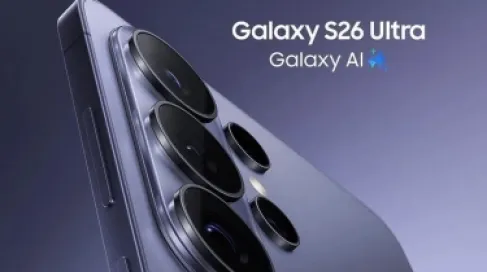
With the arrival of February, Samsung is expected to kick off the flagship phone season by launching the Galaxy S26 series.
After reports of the company’s intent to replace the standard and Plus models with the Pro and Edge versions, expectations have reverted to maintaining three traditional releases: Galaxy S26, Galaxy S26+, and Galaxy S26 Ultra, following weak sales of the Galaxy S25 Edge.
The series is expected to feature improvements in cameras and artificial intelligence, with the continuation of utilizing a main camera with a 200 megapixel resolution in the Ultra version, along with either a Snapdragon 8 Elite Gen 5 or Exynos 2600 processor in some markets.
Google’s bet on artificial intelligence
In the second half of the year, specifically during August, Google is likely to unveil the Pixel 11 series, which will include the Pixel 11, Pixel 11 Pro, and Pixel 11 Pro XL, with the possibility of launching a foldable phone.
As usual, Google focuses on artificial intelligence and computational photography, using the new generation Tensor processor and a MediaTek modem to enhance efficiency and user experience.
iPhone 18.. The biggest surprise of 2026
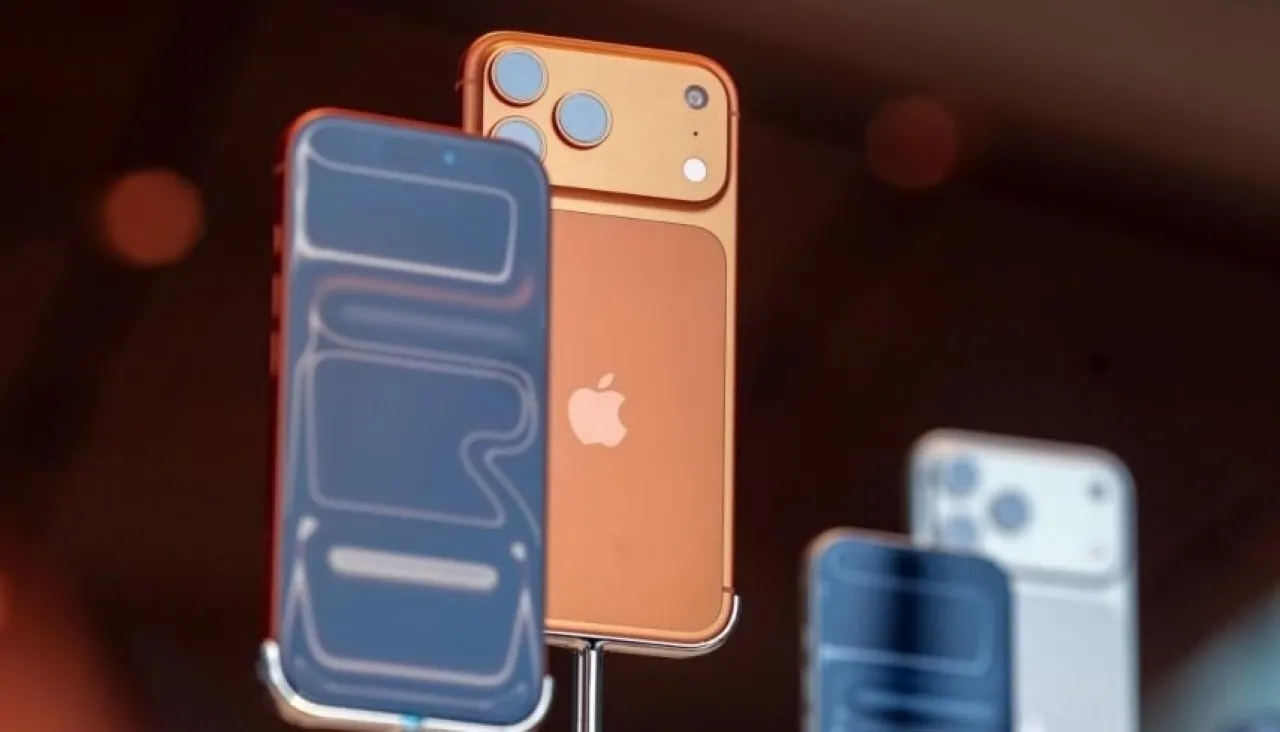
Attention remains focused on September, the expected launch date for the iPhone 18 series, which is anticipated to be the highlight of the year 2026.
Leaks suggest that Apple may dispense with the standard version this year, settling instead for launching the iPhone 18 Pro and iPhone 18 Pro Max, along with a new version believed to be the successor to the iPhone Air.
The phones are expected to be powered by the A20 Bionic processor, with significant improvements in performance and artificial intelligence capabilities, plus additional developments in imaging systems.