Khaberni- The exposure of Tarek Abdel Nasser, brother of the late Egyptian President Gamal Abdel Nasser, to an attempt to force him out of his residential apartment in the Engineers area in Giza highlights the "old rent" crises in Egypt. This followed a dispute between Tarek Abdel Nasser and the property owner that escalated into an assault and damage to the residential unit.
Tarek Abdel Nasser filed an official complaint to the police department in Al-Agouza, accusing the property owner of violating his privacy, damaging his apartment door, and attempting to forcibly evict him, following disputes over the nature of the "old" lease for the unit.
Local media sources, quoting the brother of the late president, stated that the property owner deliberately damaged the apartment door to harass him and pressurize him to vacate it, in an attempt to reclaim the rented property as it is subject to the old rent law.
Preliminary investigations indicated that the late president’s brother has been living in the apartment for many years under the old rent system.
The intensity of the disagreements between him and the owner escalated following the enactment of the old rent law, as the owner sought to recover the apartment and force its occupant to vacate by any means possible.
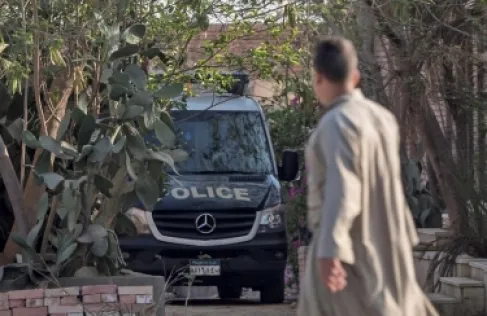
Security and competent authorities moved to the scene to conduct the necessary technical examination. The examination confirmed visible damages to the apartment door.
The investigating authorities listened to the statements of Tarek Abdel Nasser, who emphasized that what happened represents a blatant assault on his legal possession of the residential unit and an illegal attempt to force him to leave. He affirmed his full adherence to all his rights granted by law, especially in light of the laws regulating the relationship between owner and tenant in old lease contracts.
The responsible authorities decided to task the detectives with gathering the necessary inquiries and information about the incident and to start processing surveillance cameras inside and around the property, to fully understand the circumstances of the incident and take legal actions.
Egyptian President Abdel Fattah el-Sisi had approved the old rent law last August.
The Egyptian Parliament finally approved the bill, in an attempt to address the legal and economic situations related to properties rented under the old rentals system.
The new law stipulates a transitional period before terminating the old rent contracts, set at seven years for residential units and five years for units rented to individuals for non-residential purposes, leading to the liberalization of the rental relationship between the owner and the tenant.
At the end of the transitional period, the tenant is obliged to vacate the rented unit and return it to the owner. All laws regulating old rent will be abolished after this period, after which any new rental contract will be subject to the provisions of the civil law, ensuring freedom of contract between the parties.
It is worth mentioning that the old rent law has caused significant controversy on the Egyptian street in the past period, with supporters among property owners who have suffered injustice and neglect for decades due to fixed rental values, and opponents from the broad segment of tenants who fear eviction from their homes after rental values rise beyond their economic capabilities.