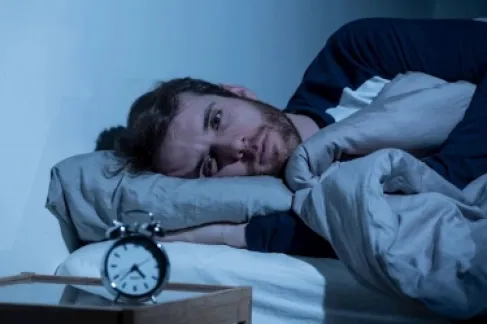
Napping is a common practice that has long been praised as an effective tool for enhancing alertness and improving mood, in addition to its role in strengthening memory and increasing productivity for many.
However, science resolves the debate around it as a "double-edged sword," as its benefits can turn into harms unless handled on the right basis.
In this context, Talar Mkhitarian, an associate professor of mental health at Warwick University, explains that napping is an excellent means to recharge the brain and support mental and physical health, but doing it incorrectly can lead to feelings of lethargy and confusion, and create significant sleep difficulties at night.
The reason for the body's desire to sleep during the day is a natural dip in alertness that typically occurs between 1 and 4 PM, which is associated with eating a hearty lunch and the effect of the biological clock or the body's daily rhythm.
Studies confirm that a short nap at this time, especially if followed by exposure to bright light, helps overcome fatigue without affecting the quality of nighttime sleep, as it gives the brain adequate rest without entering deep sleep stages.
On the other hand, the negative effects appear when the duration of the nap exceeds 30 minutes, as the brain moves into deep sleep, causing a condition known as "sleep inertia."
This term describes the feelings of dizziness and mental confusion that may persist for an hour after waking up, which can be dangerous when performing tasks that require high concentration or operating machinery.
A late nap also reduces the "build-up of sleep pressure," which is the natural drive that the body needs to fall asleep at night.
Despite this, napping remains a necessity for certain groups such as shift workers who suffer from irregular schedules, as it reduces accidents and professional errors.
Athletes also benefit from it to accelerate muscle recovery, and workers in healthcare and flight crews to maintain the highest levels of concentration.
However, those suffering from chronic insomnia are cautioned against it, as it weakens their desire to sleep at night, making it a temporary rather than a sustainable solution.
To maximize benefits, experts recommend that the duration of the nap be between 10 and 20 minutes, and that it occur early, before 2 PM.
It is also preferable to secure a sleeping environment that mimics nighttime, making it cool, dark, and quiet, while the person complies with assessing their lifestyle and age, as a successful nap primarily depends on proper planning and knowing the body's true need for it.