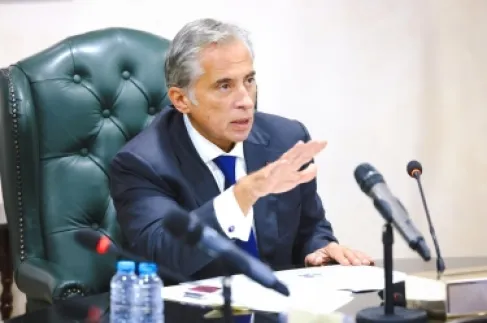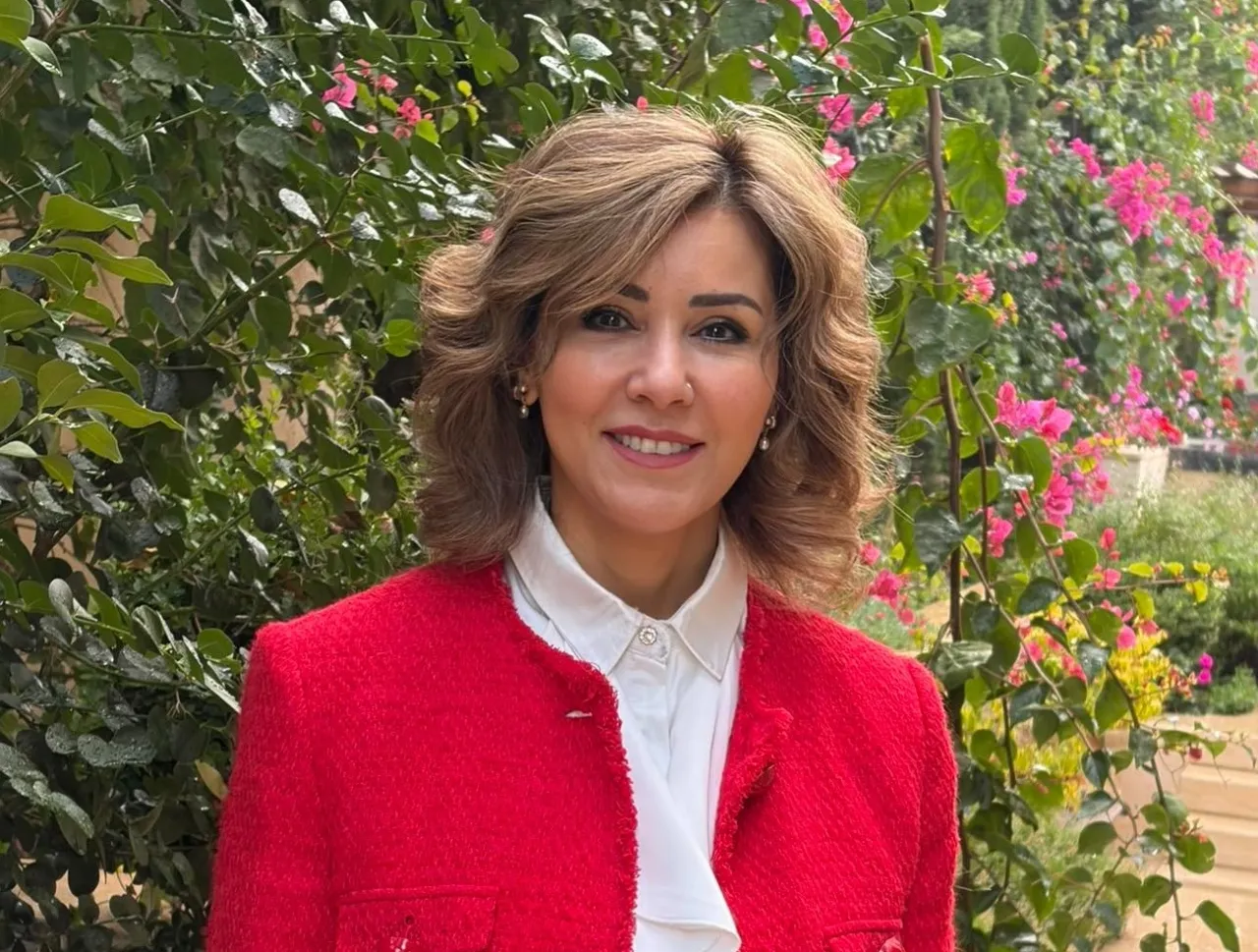
Khaberni - The Dentists’ Guild leader Dr. Aya Al-Asmar affirmed that the retirement fund assets in the syndicate, which are currently used to cover retirement salaries, are experiencing continuous yearly erosion. The book value of these assets, in the best scenario, does not exceed 6 million dinars. Furthermore, there is a possibility that their actual market value could be even less. Continuing on this path will inevitably lead to a complete depletion of the assets, subsequently causing the collapse of the fund.
Recent weeks have seen a broad debate among dentists about the crisis of their syndicate’s retirement fund. Al-Asmar stated in this regard that the syndicate is making a diagnosis to rectify the situation of the fund, clarifying that it will require "painful but necessary surgical measures" to ensure the sustainability of the fund and to protect the rights of future generations of members and retirees, according to Al-Ghad.
Al-Asmar emphasized that the syndicate was committed to addressing the general assembly with transparency and clarity, after the central authority approved a wide package of amendments, including the internal system, retirement fund and health insurance systems, continuous education, and social security systems. She noted that the extent of controversy surrounding the fund imposed upon the syndicate council the duty to clarify, before the general assembly meeting, maintaining a relationship based on honesty and credibility between the syndicate and its members.
A Troubled Financial Reality
Al-Asmar revealed that when the current council assumed its duties, the fund was in a critical financial condition, and its available cash liquidity did not exceed 150,000 dinars – essentially debts owed to the health insurance fund. Adding to that, a deposit of 900,000 revealed that half of it was intertwined obligations and debts among the different syndicate funds, indicating practically a lack of real liquidity and a decline in the ability to meet future obligations.
Rejecting Patchwork Solutions
Al-Asmar stressed that the approved amendments were not momentary or cosmetic measures, nor did they carry an electoral or populist flavor, but were based on comprehensive actuarial studies aimed at addressing a chronic crisis that reached a critical phase. She asserted that deferring the problem to future councils would have been the easier option, yet an irresponsible one as it would sacrifice the future of the fund for temporary gains.
She added that the fund could no longer tolerate a policy of "trial and error" that had been prevalent in previous stages, whether by raising contribution rates slightly or by modifying the retirement age without a comprehensive vision, confirming that any partial amendment would not be sufficient to save the fund from recurrent deficits.
She explained that during the past 6 months, the council prepared a plan that was not limited to legislative amendments but also included parallel paths, most notably encouraging the return of suspended members to membership, enhancing mechanisms for collecting accumulated financial dues, and communicating with various state institutions, such as the Royal Medical Services, Ministry of Health, and universities, to settle outstanding financial files.
She mentioned restructuring the management of the syndicate's assets and diversifying the investment portfolio rather than restricting it to limited patterns, in response to repeated comments in actuarial studies about poor asset management in professional unions.
Regarding significant proposed amendments, Al-Asmar clarified that the general assembly in the previous session approved raising the mandatory retirement age to 67 years. However, the new amendments reduced this age to 65 years for dentists and 62 years for female doctors, eliminating the concept of early retirement.
She pointed out that anyone reaching retirement age can continue working, but without combining professional practice and a retirement salary, a model followed by retirement funds around the world.
The amendments also included recalculating the retirement salary based on 480 months instead of 360, a step she considered necessary to achieve fairness among contributors and ensure the sustainability of the fund, especially given the unrealistic previous formula that provided a retirement salary in exchange for limited contributions, not covering long-term obligations.
She elucidated that actuarial studies showed that raising the contribution rate alone would not be a practical solution, as it would require increases that could reach 25%, which are rates unfeasible in reality, potentially leading to professional attrition and loss of confidence in the fund.
She affirmed that the only scenario capable of ensuring the fund’s continuity until 2070 involves a comprehensive package that includes adjusting the retirement age, stopping the pensions of practicing retirees, and recalculating salaries based on more realistic standards.
Collective Responsibility
Al-Asmar stressed that what is happening is not targeting one group over another, but rather it is a fair distribution of sacrifices among all parties from members, retirees to heirs, based on the principle of partnership in responsibility.
She considered these measures, despite their difficulty, as a "real rescue operation" for a fund that has supported thousands of retirees and families since 1976, calling on the general assembly for conscientious participation in decision-making, preserving the future of the profession and its retirement fund.