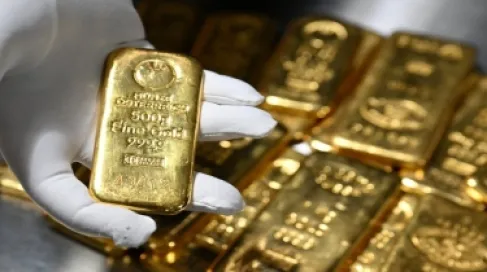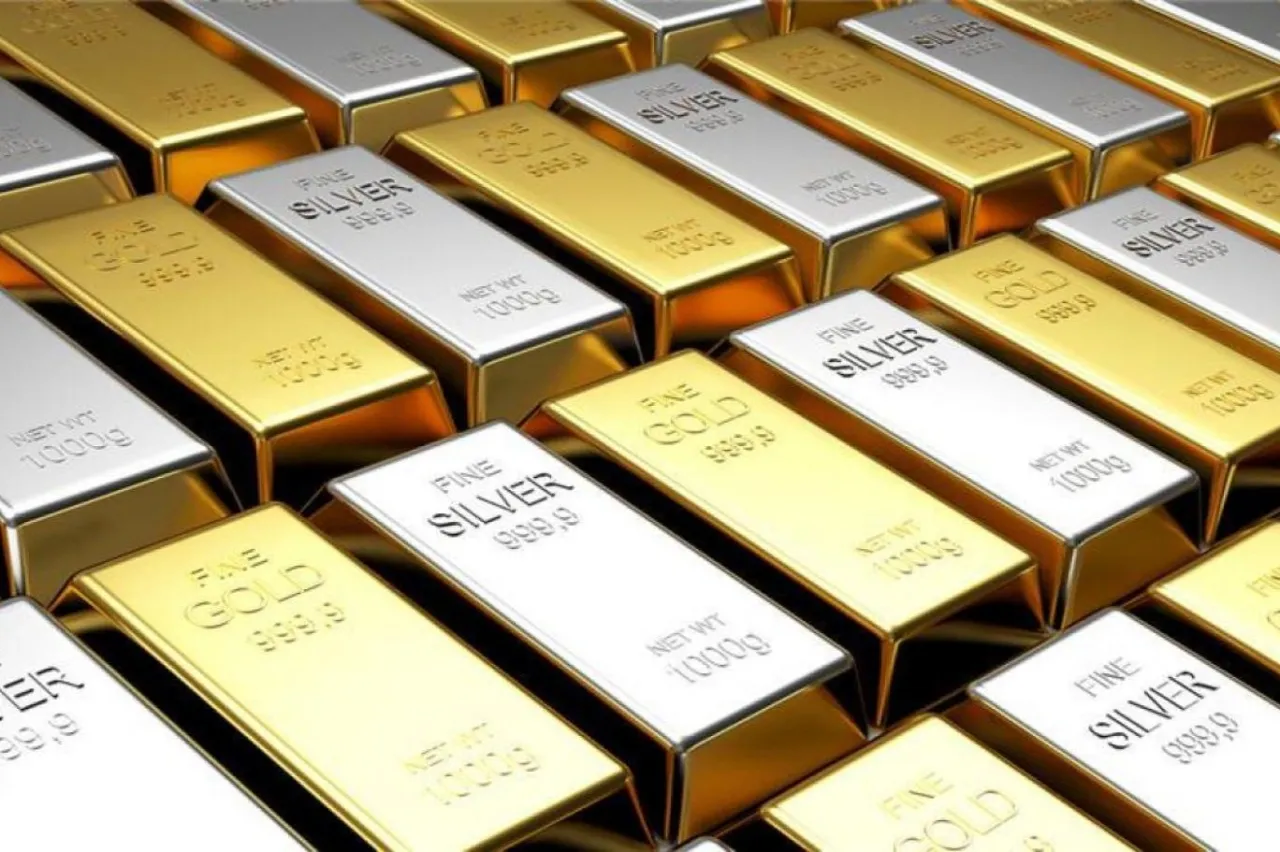
The prices of gold and silver surged to unprecedented record levels today, driven by escalating geopolitical tensions and expectations of a cut in US interest rates.
The rise has enhanced the annual performance of the metals, with the performance of gold and silver this year being the best in over four decades.
On Monday, silver increased by up to 3.4%, nearing the threshold of $70 per ounce, while gold rose by more than 1.5% to break the previous record of $4381 per ounce set last October.
Experts attributed the historic jump to two main factors:
Monetary expectations: Traders are betting on the Federal Reserve (US central bank) cutting interest rates twice in 2026, especially with US President Donald Trump calling for a more flexible monetary policy. It is noted that lower interest rates are a stimulating factor for precious metals, which do not yield interest.
The geopolitical factor: International tensions are escalating, which enhances the attractiveness of gold and silver as a safe haven for investors. The scene experiences an American escalation of the oil blockade on Venezuela.
The Exceptional Role of Gold in 2024
Gold has seen a rocketing rise, approaching 70% since the beginning of the year, supported by two main factors: institutional demand with increased purchases by global central banks and capital flows into gold-backed exchange-traded funds, and global policies: the trade measures of US President Donald Trump, alongside his repeated threats to the independence of the US central bank, added additional momentum to the rise of the yellow metal.
What about other precious metals?
The rise was not limited to gold and silver only, as palladium rose by more than 4% in 2025. Platinum also climbed for the eighth session in a row, trading for the first time since 2008 above the level of $2000 per ounce.
Delin Wu, a commodity strategist at "Pepperstone Group," said that "a significant part of today's increase is driven by early betting on the Federal Reserve's interest rate cut expectations, and this movement has been amplified by shallow liquidity at the end of the year."
She added that weak job growth and US inflation falling below expectations in November supported the scenario for more reductions in interest rates.