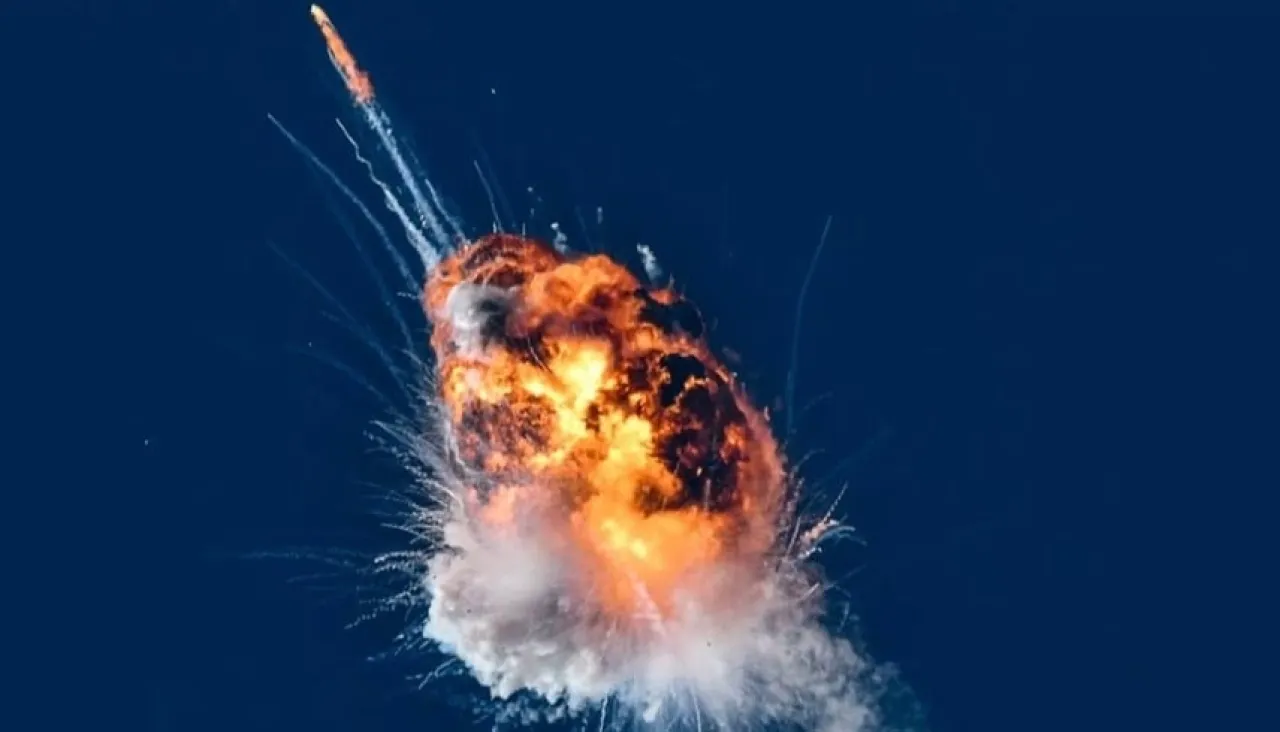
Khaberni - In a serious aviation incident, three crowded passenger planes almost faced severe danger, following a massive explosion of a "SpaceX" rocket while it was flying over the Caribbean Sea. This occurred soon after a failed test flight of the "Starship" vehicle less than ten minutes after its launch, according to recent documents.
According to official documents from the Federal Aviation Administration (FAA), released this December, the seventh test flight of the vehicle, led by Elon Musk, resulted in fiery debris scattered in air space, putting civilian planes directly in harm's way.
The first plane
According to "The Sun" today, Sunday, the threatened flights included a JetBlue plane headed to San Juan, where the crew was told that continuing the journey would be "at their own risk," as the pilot found himself facing a very dangerous choice, either to penetrate the falling debris cloud or to risk running out of fuel over the ocean.
According to the Wall Street Journal, the planes were forced to enter a temporary no-fly zone, while air traffic controllers scrambled to redirect the routes and save the situation amid intense pressure, putting the lives of 450 people at risk.
When one of the pilots was asked to declare an emergency landing, the response came through a clear distress call: "We declare an emergency.. distress call, distress call".
Emergency situations
The same dilemma was faced by a flight operated by Iberia Airlines, along with a private plane, as all three planes were forced to declare emergency fuel situations before eventually landing safely.
Subsequent reports revealed that one of the air traffic controllers had to urgently intervene after two planes dangerously approached each other following the explosion, while images of the glowing rocket debris spread in the Caribbean sky minutes after the incident.
In a controversial comment, Elon Musk wrote on "X" platform following the explosion: "Success is not guaranteed, but entertainment is assured".
Fiery debris
In contrast, FAA documents revealed that SpaceX did not immediately notify the official hotline designated for notifying air traffic controllers of malfunctions, meaning that the controllers in Miami were not aware of the debris danger until the pilots faced the situation themselves.
The administration indicated that the incident led to fiery debris falling over parts of the Caribbean Sea for close to 50 minutes, warning that any piece striking one of the planes could lead to severe consequences, including significant damage and potential passenger fatalities.
Despite the air traffic controllers’ success in averting danger, the report confirmed that the workload imposed on them during the crisis posed a "potential risk at the highest safety levels".
While the Federal Aviation Administration opened an investigation in February regarding the management of explosion debris after this incident that occurred in January, it announced in March that the review was completed after implementing recommendations, confirming in an official statement: "The administration will not hesitate to take any additional actions if aviation safety requires it".