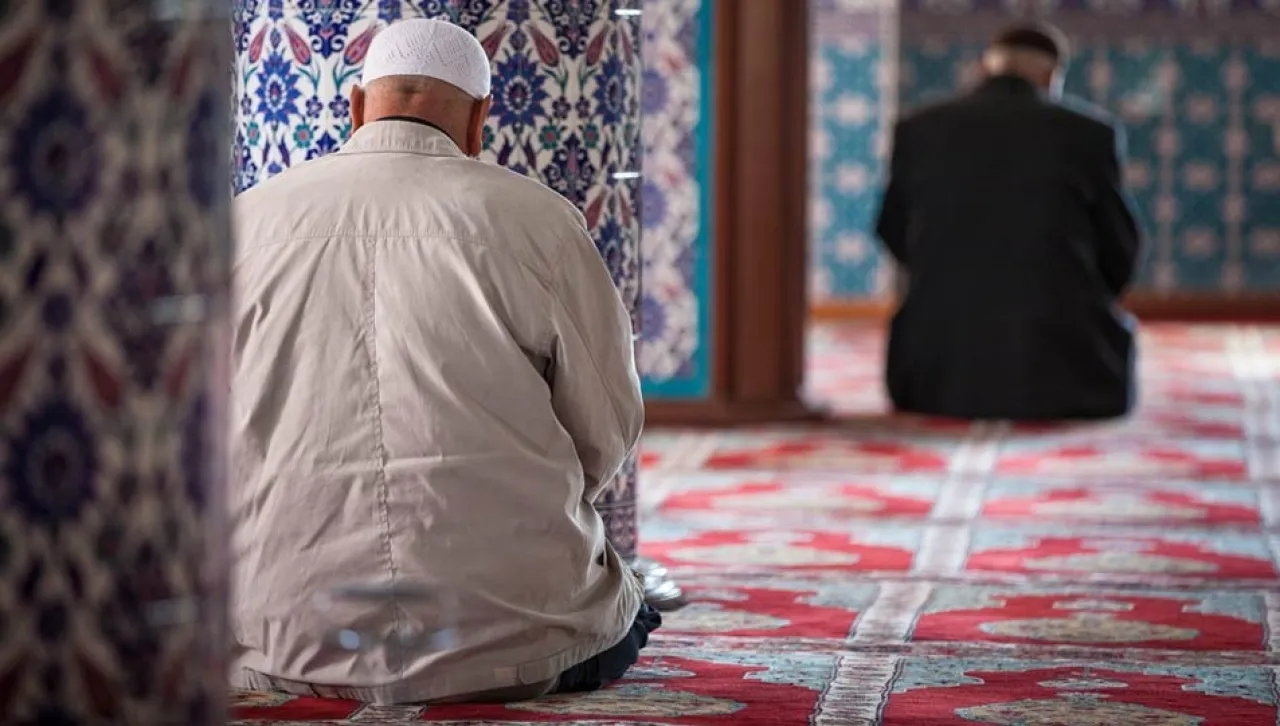
Khaberni - Dr. Mohamed Ibrahim Al-Ashmawy, Professor of Noble Hadith and its Sciences at Al-Azhar University, revealed the ruling on engaging in Dhikr using prayer beads during the Friday sermon, stating that the scholars have decreed that the one who does this has committed two disliked actions.
The ruling on engaging in Dhikr with prayer beads during the sermon was clarified by Mohamed Ibrahim Al-Ashmawy in a post on his official Facebook page. The scholars explained the two disliked actions in this issue as: "Being distracted from listening to the sermon by speaking - even if it is Dhikr, even if silently - which is prohibited, and the second is fidgeting with the prayer beads, which is akin to playing with pebbles."
Mohamed Ibrahim Al-Ashmawy cited some of what the scholars mentioned regarding the ruling on engaging in Dhikr using prayer beads during the sermon, including:
Al-Qurtubi said in his exegesis titled: [The Comprehensive Compilation of the Quran’s Rulings]: "His statement, the Most High: 'And when the Quran is recited, listen to it attentively,' is said to have been revealed concerning prayer, narrated by Ibn Masud, Abu Huraira, Jabir, Al-Zuhri, Ubaidullah Ibn Umayr, Ata Ibn Abi Rabah, Said Ibn Musayyib."
Said explained that the polytheists would come to the Prophet, peace be upon him, during prayer and say to each other in Mecca: "Do not listen to this Quran and ignore it," so Allah Almighty responded to them: "And when the Quran is recited, listen to it attentively." It's also said that this was revealed concerning the sermon. Said Ibn Jubair, Mujahid, Ata, Amr Ibn Dinar, Zaid Ibn Aslam, Al-Qasim Ibn Mukhaymirah, Muslim Ibn Yasir, Shahar Ibn Hawshab, and Abdullah Ibn Mubarak said this, and this is weak because the Quran is recited briefly in the sermon, and attentiveness is required throughout.
Al-Tabari also reported from Said Ibn Jubair that this pertains to being attentive during the days of Adha, Fitr, and Friday, and whenever the Imam recites loudly, for it is general. This is the correct view because it encompasses everything obligated by this verse and other traditions on being attentive.
Al-Nawawi said: "The prohibition includes all types of speech — including Dhikr — during the sermon, and it highlights other situations; because if it says...'Be silent,' which is originally a command of goodness and yet is named frivolous, then the lesser forms of speech are even more likely (to be prohibited)."
Al-Nuhas: "In language, it should be in everything, unless there is evidence to specify something." End of quotation.
About Abu Huraira - may Allah be pleased with him - the Messenger of Allah, peace be upon him, said: "If you say to your companion: '(Be quiet)' while the Imam is giving a sermon on Friday; then you have engaged in idle talk."
Al-Nawawi said: "Idle talk, which is frivolous, baseless, rejected speech."
As idle talk occurs through speech, it happens through actions too. In [Sahih Muslim], from the narration of Abu Huraira - may Allah be pleased with him - indicating this; the saying of the Prophet, peace be upon him: "Whoever performs ablution perfectly, then attends the Friday prayer, listens, and keeps silent; his sins between that Friday and the next, plus three additional days, will be forgiven. Whoever touches the pebbles has engaged in idle talk."
Touching the pebbles refers to fidgeting, not paying attention to the sermon, and being distracted, and similar to this are fidgeting with prayer beads, keys, watches, phones, miswak, or anything similar, all of which are prohibited!
"And Ikrima prohibited turning over pebbles and popping fingers during the Friday sermon while the Imam is preaching." Narrated by Abdul Razzaq in [his Musannaf].
What is the ruling on engaging in Dhikr with prayer beads during the Friday sermon? Dr. Mohamed Ibrahim Al-Ashmawy reaffirmed that the ruling involves the obligation to be attentive to listening to the sermon, not to engage in any talk, even if it is Dhikr, even silently, and not to fidget with anything; this is the opinion of the majority of the scholars.
Dr. Mohamed Ibrahim Al-Ashmawy also cited the views of several scholars, including:
Ibn Battal said: "A group of leaders in issuing religious opinions agree on the necessity of being attentive to the sermon."
Ibn Abdul Barr said: "There is no disagreement among the scholars in the cities on the obligation of attentiveness to the sermon to those who can hear it."
"Zuhri was asked about glorifying (Tasbih) and magnifying (Takbir) Allah while the Imam is preaching? He said: 'Silence was commanded.'
Al-Nawawi said: "The tradition warns against all types of speech - including Dhikr - during the sermon, highlighting everything else by this; if it says 'Be quiet,' which in essence is a command for what is right, calling it idle talk, then certainly, light speech is definitely prohibited."
"If one wants to stop someone else from talking - he should gesture to them to be silent, if understood. If understanding is difficult, he should interject with minimal speech and not exceed the least amount necessary."
The scholars have differed on whether talking is forbidden or just highly discouraged: this is two opinions by Al-Shafi'i."
"Judge said: Malik, Abu Hanifa, Al-Shafi'i, and most scholars said: 'Listening to the sermon is mandatory'." End of quotation.
Al-Hafiz Ibn Hajr said: "It has been inferred that all types of speech during the sermon are prohibited and this is the majority's view for those who can hear it, and similarly, the ruling applies to those who cannot."
Al-Hafiz Ibn Hajar stated: "The scholars said: 'It means there is no complete Friday prayer for him'; due to consensus on dropping the obligation of the moment."
And he continued that the minimum level of this act is dislike, yet his Friday prayer is still valid, though its reward is lessened!
Except, he added, if the listener praises the Prophet, peace be upon him, silently, each time his noble name is mentioned during the sermon. However, there is an issue: does the prohibited speech include mental speech, as if remembering Allah in one’s heart without moving the tongue?
And he progressed that obviously, if the goal of the prohibition on speaking is to focus on the sermon and not be distracted from it, even by thoughts.
And he concluded his fatwa, if the listener can focus on both, listening to the sermon and heart-based Dhikr, without neglecting the matter of the sermon - because it is the worship of the moment - I see - and Allah knows best - that the dislike is then removed; because the reason for it has disappeared.