Egypt continued to establish its position as the capital of global archaeological discoveries, after the prestigious American Journal of Archaeology selected the tomb of King Thutmose II on the West Bank of Luxor among the top 10 archaeological discoveries globally for 2025, in an achievement that reflects the exceptional value of the ancient Egyptian civilization.
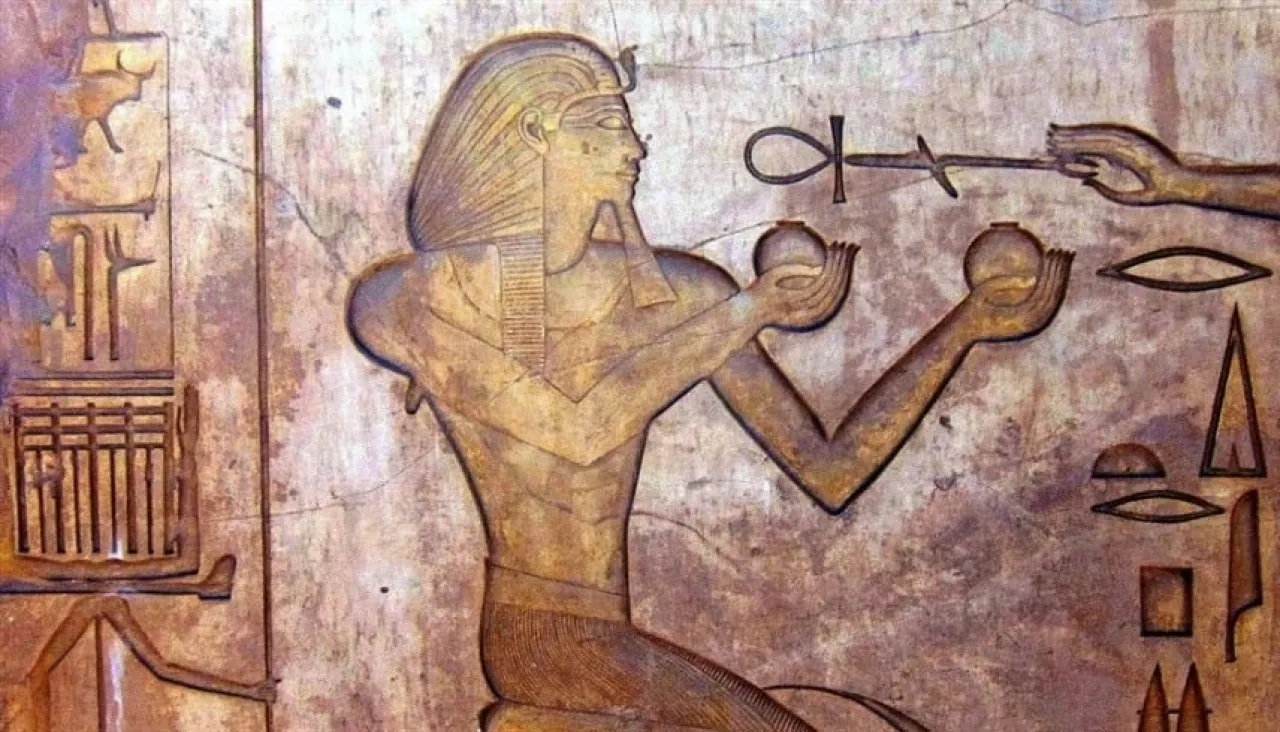
The international interest was not limited to listing the discovery among the prestigious list, but one of the inscriptions found inside the tomb graced the cover of the magazine's issue for January - February 2026, clearly indicating the scientific and historical importance of the discovery.
The first tomb of the 18th dynasty after Tutankhamun
The tomb was uncovered last February by a joint Egyptian-English archaeological mission between the Supreme Council of Antiquities and the Modern State Research Foundation, during the excavation of tomb number C4 at the Theban Hills west of Luxor.
The tomb is the first royal tomb dating back to the 18th dynasty to be discovered since the discovery of King Tutankhamun's tomb in 1922, which grants the event a unique historical dimension.
In his own words, Egyptologist Pierce Litherland, from the Modern Kingdom Research Foundation mission to the Western Valleys for the "Archaeology" magazine, said: "It never crossed our minds that we had found a king's tomb, let alone a pharaoh's tomb from the 18th dynasty."
Litherland added: "Initially, we interpreted the decorations as potential exceptions to the rules established by Egyptologists, and I cannot emphasize enough how hesitant one is to accept something so unusual. Your mind searches for any other explanation, because believing this was a king's tomb has enormous implications."
Global Recognition
In turn, Dr. Mohamed Ismail Khaled, the Secretary-General of the Supreme Council of Antiquities, confirmed that this international selection reflects the global appreciation for Egyptian archaeological discoveries, and embodies the ongoing efforts of Egyptian and foreign archaeological missions in reinterpreting ancient Egyptian history and enriching human knowledge.
Conclusive Evidence
In the early stages, the archaeological team surmised that the tomb belonged to one of the wives of the Tuthmosids, given its proximity to the tombs of King Thutmose III's wives and Queen Hatshepsut's tomb. However, the evolution of the excavation work revealed conclusive evidence that determined the identity of the tomb's owner, including pieces of mortar bearing inscriptions in blue and yellow sky stars, along with decorations and texts from the Book of Amduat, confirming it as the tomb of King Thutmose II.
The tomb is characterized by a simple architectural design that serves as the initial model for the layout of subsequent tombs of the 18th dynasty kings, opening new horizons for understanding the evolution of funerary architecture during the New Kingdom era.