A British research team developed a revolutionary blood test that could change the way lung cancer is detected and monitored.
The study, published in the journal "Applied Spectroscopy", showed that Fourier Transform Infrared Microscopy technique is capable of identifying a single cancer cell in a single blood sample.
The team includes researchers from the University Hospitals of North Midlands, Keele University, and Loughborough University. They hope this invention will allow doctors to monitor cancer moment by moment using a simple blood test.
Professor Joseph Sulei-Suso, an oncologist and the lead author of the study, said: "We managed to detect a lung cancer cell from the patient's blood by combining advanced infrared technology with computational analysis, focusing on the unique chemical fingerprint of cancer cells. This approach may help patients obtain early diagnosis, personalized treatments, reduce surgical procedures, and could be applied to other types of cancer in the future."
How does the technology work?
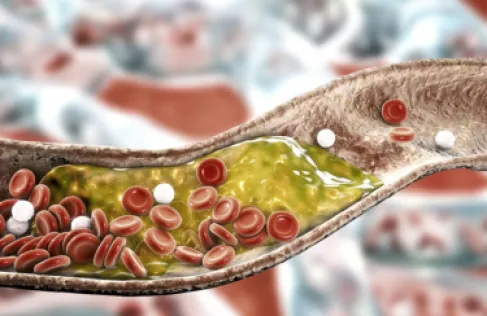
Circulating tumor cells are cancer cells that detach from the tumor and travel through the blood, serving as a vital indicator of disease progression and treatment response. Current detection methods for these cells are complex, expensive, and sometimes fail to detect them.
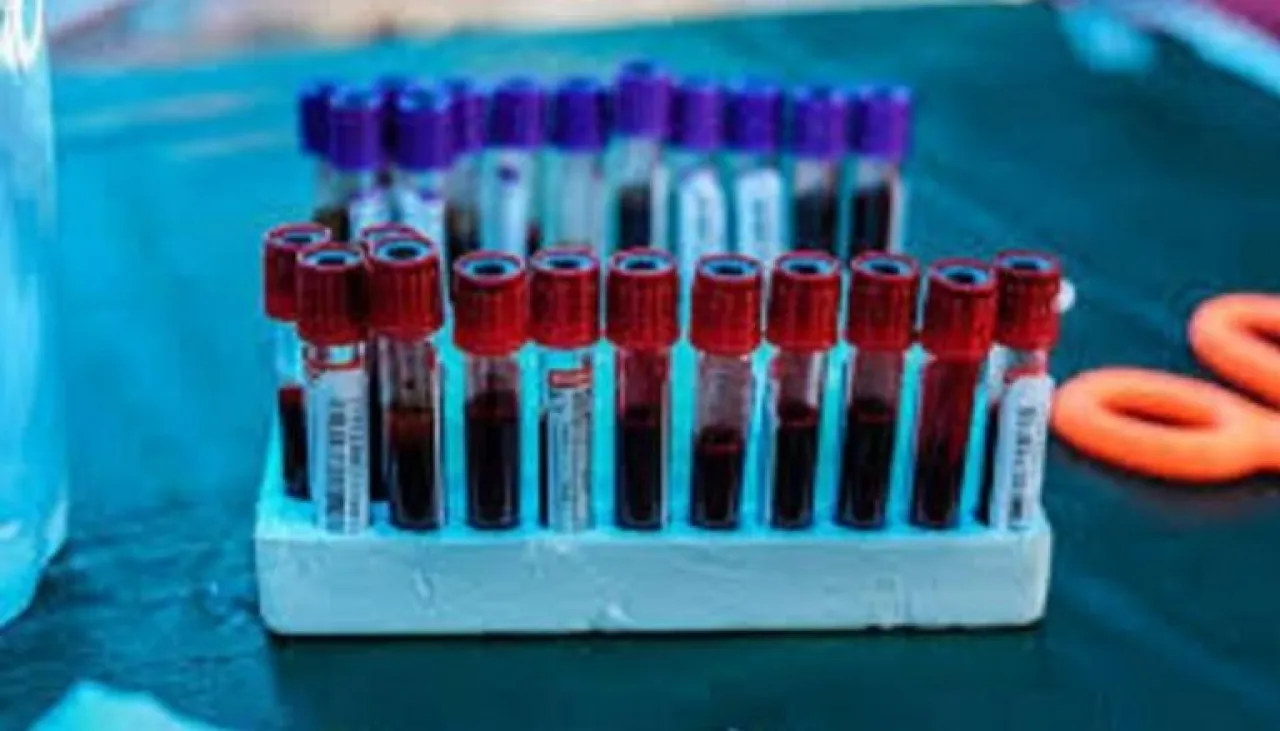
The new method relies on shining an infrared beam on a blood sample, where different chemicals absorb light in unique ways and leave a distinctive "chemical fingerprint" of tumor cells. Analyzing these data computationally can quickly and accurately identify the presence of cancer cells.
The technology is easier and less expensive than traditional methods, and uses ordinary glass slides already present in pathology laboratories, making its integration into medical practice easier.
Professor Paul Roach, a biological materials expert at Loughborough University, said: "Contributing to research that could change early cancer detection is both a professional privilege and a strong personal motivation. Lung cancer has affected my family and friends, and helping develop new tools to combat the disease provides a strong sense of purpose."
The next step
The team plans to test the technology on larger patient groups to develop a rapid and automated blood test that can be integrated into cancer care pathways. The researchers welcome collaboration with medical, health, and industrial teams to accelerate the adoption of this revolutionary diagnosis tool.