Lebanese Prime Minister Nawaf Salam announced a long-awaited bill, requested by the international community, to regulate the distribution of financial losses among the state, banks, and depositors who have been affected by the economic collapse in the country since 2019.
In a speech addressed to the Lebanese people and broadcast on television, Salam considered that this project represents a "clear roadmap for exiting this long-standing crisis" that has shaken the country since 2019.
The Council of Ministers is set to begin studying the bill on Monday before referring it to Parliament.
This project, known as the Financial Gap Law, is a critical and long-awaited step towards restructuring Lebanon's debts since the unprecedented crisis that deprived the Lebanese of their bank deposits.
It is also a fundamental component in the financial and economic reform, as it organizes the distribution of losses between the state, the Central Bank of Lebanon, commercial banks, and depositors. The international community, particularly the International Monetary Fund, demands its approval as a precondition for providing financial support to Lebanon.
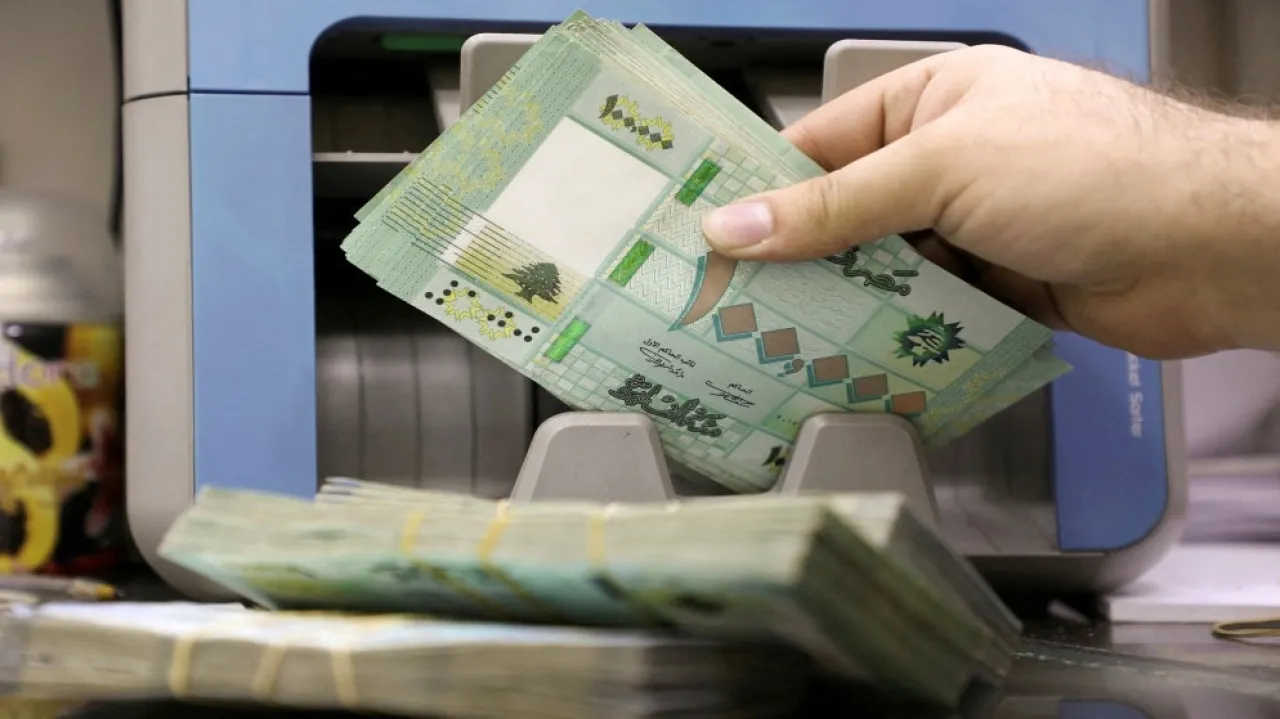
Depositors, who have lost the ability to withdraw money from their accounts, will be able to recover up to $100,000 over a four-year period, according to Salam, who noted that 85% of depositors have accounts worth less than $100,000.
As for major depositors, the remaining part of their deposits will be compensated through bonds linked to assets.
The Prime Minister said, "I know that many of you are listening today and your hearts are filled with anger, anger from a state that left you alone, anger from a system that did not preserve your money, and from unfulfilled promises."
He added, "The bill may not be perfect, and it may not meet everyone's aspirations, but it is a realistic and fair step towards restoring rights and stopping the collapse."
The International Monetary Fund, which closely followed the preparation of the project, emphasized the necessity of "restoring the banking sector's ability to continue and protect depositors as much as possible."
The Association of Banks criticized the project in a statement on Monday, considering it contains "serious loopholes" and imposes significant burdens on commercial banks.
The government estimates the financial losses at about $70 billion, a figure that experts say has increased after six years during which the crisis remained unresolved.
Banks' Anger
Analyst Sami Zgheib said, "The banks are angry because the law opens the door to them bearing part of the losses," noting that they preferred the state to take responsibility for this financial deficit.
The project stipulates the recapitalization of struggling banks, and state debts to the Central Bank of Lebanon will be converted into bonds.
Salam explained that the law also aims to reform the banking sector that collapsed, paving the way for a parallel economy based on cash transactions that feed smuggling networks.
The parliament approved a law reforming banking secrecy in April, and after electing Michel Aoun as the president, legislators approved a law in July to restructure the banking sector, one of several essential legislations for financial system reform.
The bill states that officials and major shareholders in banks who transferred large amounts abroad since 2019, at a time when Lebanese could not access their accounts, will be required to return these funds within three months under penalty of fines.
However, the project faces political challenges, according to economic sources, as it is supposed to be referred to the parliament for approval, where it may face obstacles, as officials and deputies previously obstructed similar reforms demanded by donor entities.
Zgheib noted that "a significant number of deputies are involved directly, either as major depositors or as shareholders in banks or as political allies to their owners, and they are reluctant to pass a law that might anger the banks or depositors."
Over the past years, politicians and bankers repeatedly obstructed reforms required by the international community. Presidents Aoun and Salam, since taking power, have pledged to implement reforms and enact necessary laws.