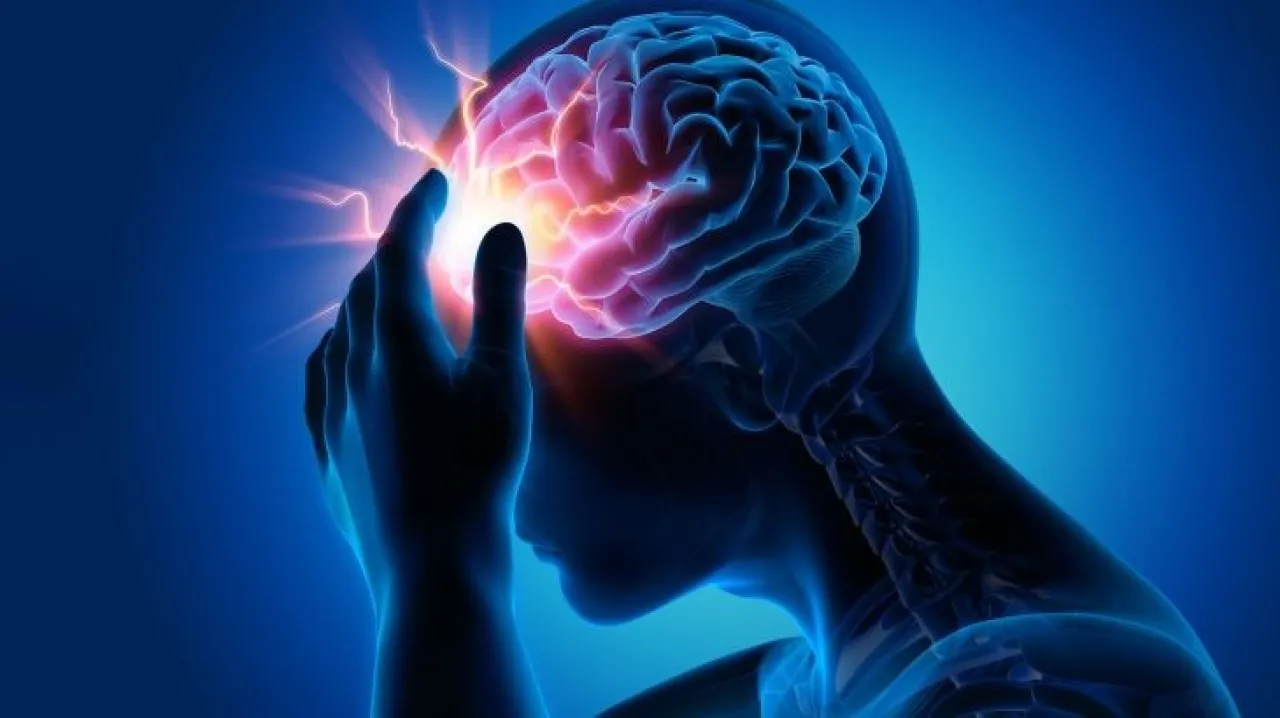
Two new studies have found that depression increases the difficulty of treating epilepsy, and may also lead to the development of this disease.
An analytical study involving more than 90,000 health insurance claims in the United States found that newly diagnosed epilepsy patients who also suffer from depression are 40% more likely to stop taking their seizure prevention medications within the first few months after being diagnosed.
This means that they either stopped taking the medication or switched it for another, or added additional complementary medications.
According to the study's results, patients in this category are also more likely to suffer from other psychological disorders such as anxiety and sleep disorders, and some health conditions such as diabetes, lung, kidney diseases, and heart attacks.
A second study found that people with depression are two and a half times more likely to develop epilepsy later in life.
The head of the study team attributed this link to the existence of common neural networks in the brain between the two diseases, stress, or problems related to sleep.
Dr. Howard Goodkin, president of the American Epilepsy Society, stated on the website "Health Day": "The bottom line is that good care of depression patients helps maintain brain health."