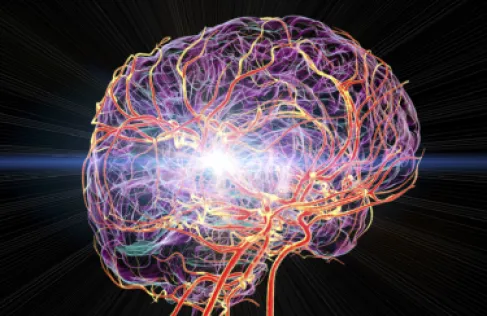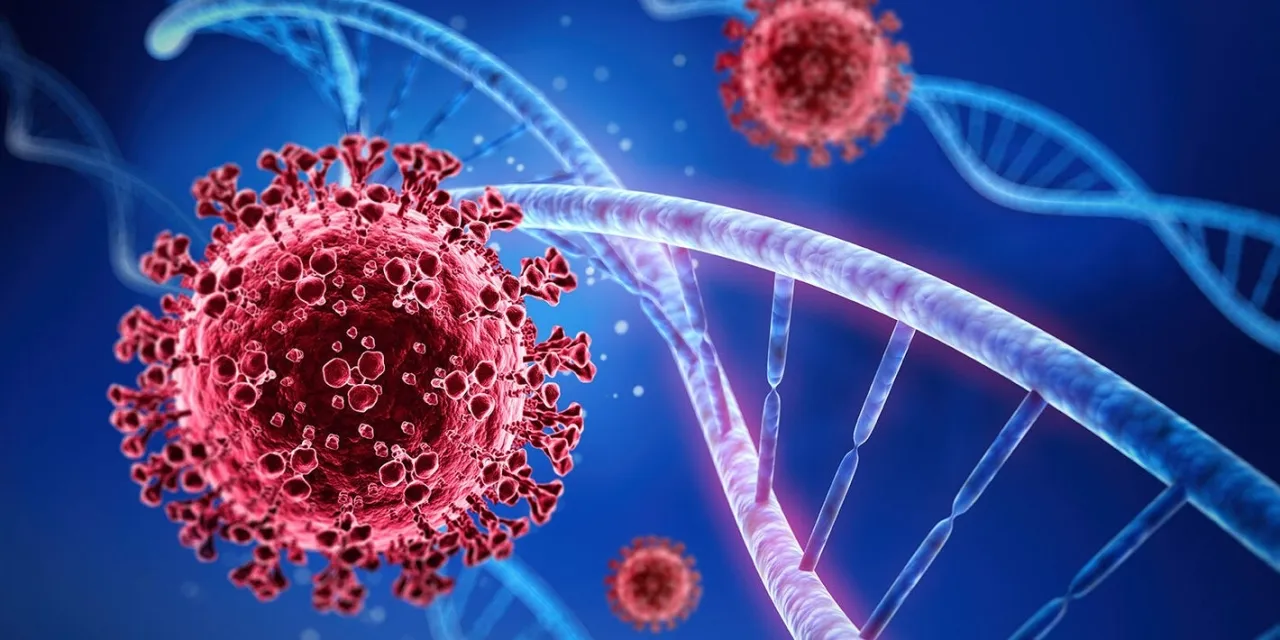
MRI imaging analysis has shown that the COVID-19 virus leaves an indelible mark on the brain, and its effects continue even after complete recovery.
A recent study conducted by scientists at Griffith University, Australia and published in the journal Brain, Behavior, & Immunity Health shows that COVID-19 affects not only the respiratory system, but also leaves a tangible impact on the brain, continuing to do so even in people who consider themselves fully recovered, even if they do not exhibit clear symptoms.
The lead researcher Dr. Kiran Tabaliya explained that the team used multimodal MRI techniques to study the gray and white matter in the brain, which are crucial for memory, cognitive functions, and overall brain health. The researchers found notable differences in brain tissue and its chemical neurotransmitters, signal intensity, and tissue structure among those recovered from COVID-19, even in cases considered mild.
Tabaliya added: "It turns out that changes in brain tissues are linked to the severity of symptoms," which might explain long-term cognitive issues such as memory and concentration deterioration, possibly persisting for months or even years after the infection.
The findings point to the long-term neurological consequences of the virus, which has also been confirmed by the World Health Organization, which recently announced that long-term symptoms after COVID-19 remain a serious problem affecting a large number of people.