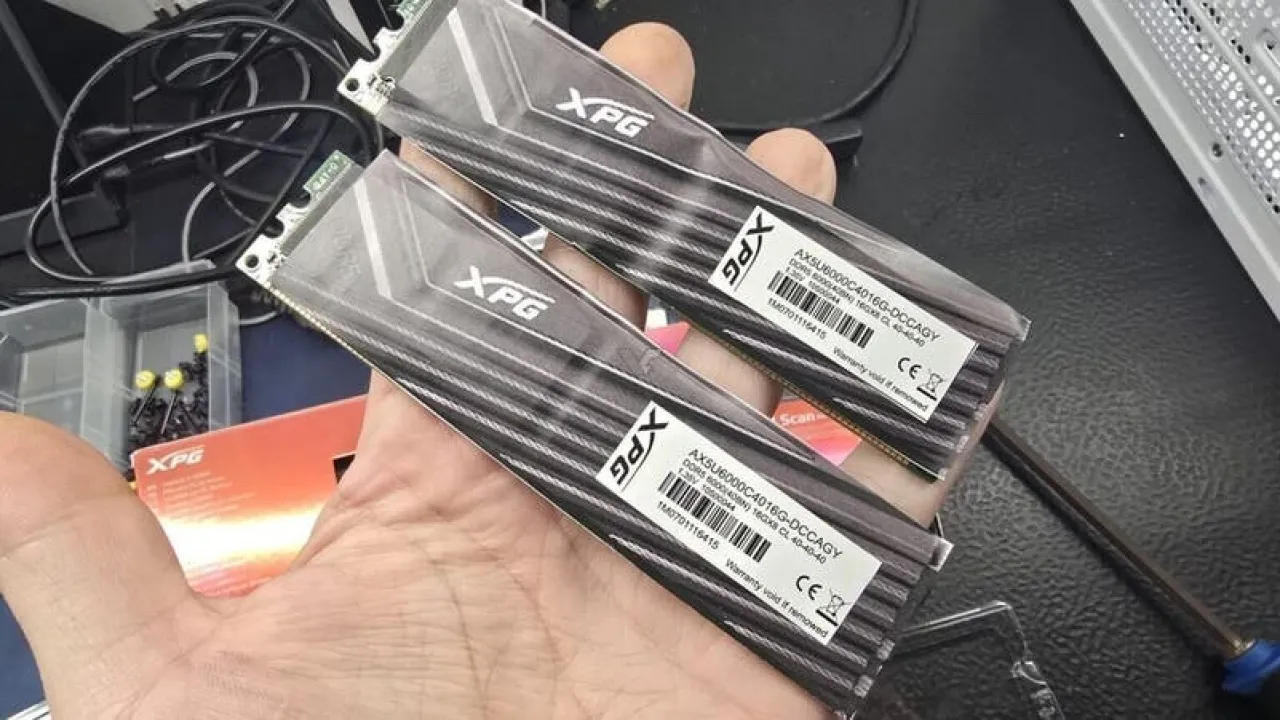
A recent technical report reveals a sophisticated scam targeting high-performance computer components on the "Amazon" platform, specifically high-priced DDR5 memory, where scammers sell extremely old units inside packaging that looks original and factory-sealed.
According to "VideoCardz", the scammers rely on replacing modern DDR5 memory with old, worthless DDR or DDR2 units, then repackaging them inside counterfeit boxes that nearly perfectly mimic the original packaging.
A revealing incident
The issue exploded after a user named BravoNorris purchased four sets of ADATA XPG Caster DDR5-6000 32GB memory from "Amazon" Spain.
Although the packages arrived covered in tight plastic wrap suggesting they were brand new, the surprise emerged when opening the third set.
Inside the box, the buyer did not find modern DDR5 memory, but very old units attached to metal pieces to give the expected weight, and poor-quality fake stickers to complete the deception.
Fraud through returns
It appears that what occurred is an advanced model of what is known as return fraud, where the scammer purchases a high-priced original product, then replaces it with worthless components and carefully repackages the box before returning it to "Amazon".
Due to the integrity of the outer packaging, warehouse systems relist the product as new stock without a thorough technical inspection of the content.
Warning to consumers
In response to the incident, ADATA warned consumers about purchasing from unauthorized sellers in open markets, and urged reliance only on official sales partners.
It also pointed to its special electronic verification portal, confirming that it will intensify efforts to educate users on the original packaging characteristics and security features of the products.
Artificial intelligence fuels fraud
Experts link the spread of this type of fraud to the current state of the tech market, where massive demand from artificial intelligence data centers has depleted global supplies of DRAM and NAND, leading to significant price increases for DDR5 memory and SSDs.
This surge has turned high-performance memory into an attractive target for organized fraud networks.
How to protect yourself?
Experts recommend several steps to avoid falling victim to such operations, most notably:
- Continuous video recording of the unboxing process without any interruption, to use as evidence when requesting a return.
- Checking the memory notch, as the DDR5 design differs from older generations.
- Matching the serial numbers on the units with those recorded on the manufacturer's website.
With this phenomenon escalating, it is expected that its implications will extend in the future to other components like motherboards, graphics cards, and even upcoming gaming devices, posing new challenges for supply chain security and consumer trust.