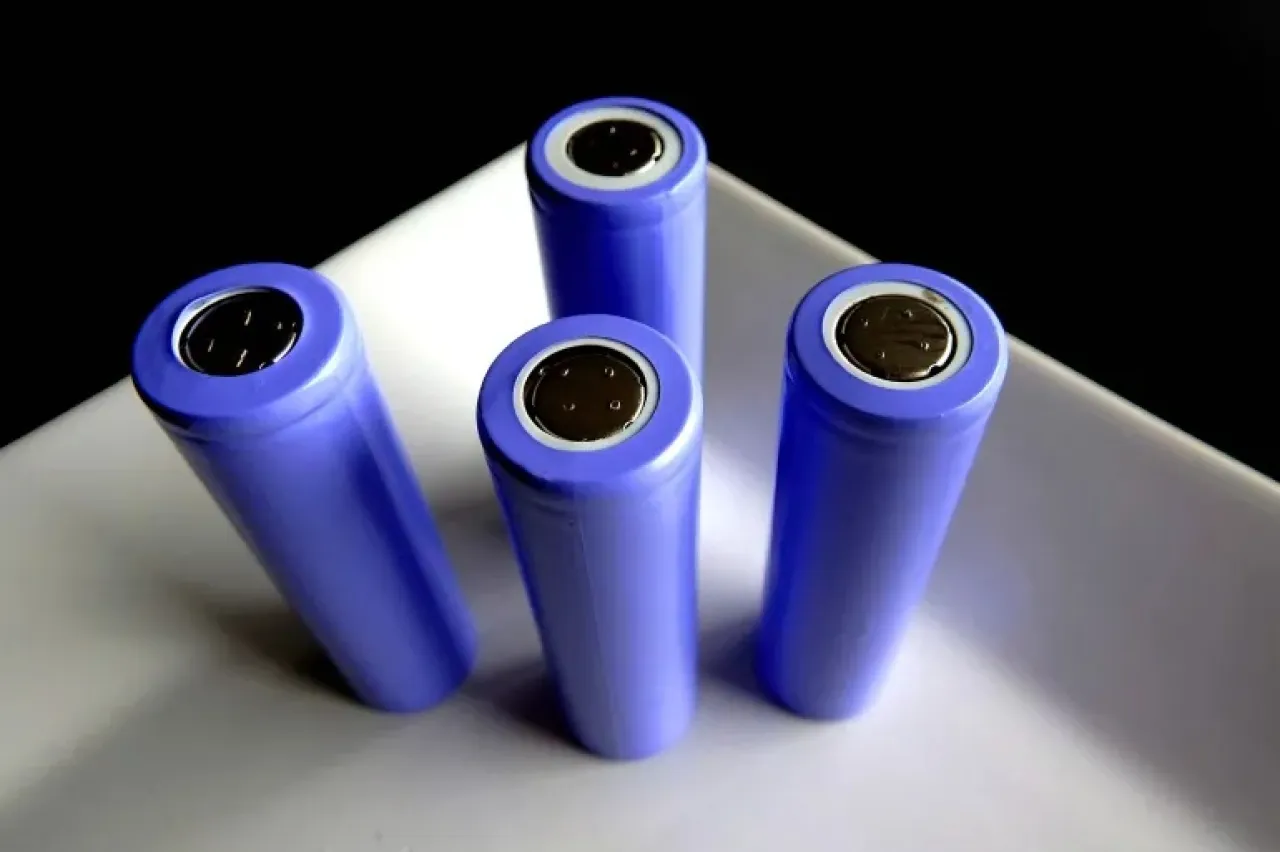
Khaberni - In a promising step toward enhancing energy storage safely and more affordably than traditional lithium batteries, a team of engineers has successfully developed a new sodium battery.
The new battery has shown high performance in practical tests, maintaining operation for over 5000 hours without significant degradation in capacity.
This technology aims to provide a practical and less costly alternative for energy storage for renewable energy projects and power grids, reducing reliance on rare and expensive lithium resources.
Sturdy and Safe Core
The new battery features a solid core similar to plastic instead of the flammable liquid electrolytes found in most current batteries, making it safer and less prone to overheating or catching fire compared to older technologies.
This represents a significant improvement in safety compared to liquid batteries, which could be prone to thermal runaway and ignition in case of damage or misuse.
The engineers are working on applying this design in large battery banks used for storing electricity generated from renewable sources such as solar and wind energy, which will contribute to improving grid stability and reducing supply fluctuations.
Lower Cost
The sodium used in this battery is more abundant in nature and easier to extract than the lithium relied on by many modern batteries.
This means that sodium-based batteries could be less costly.
Estimations suggest that relying on more prevalent materials like sodium could significantly reduce the cost of raw materials, supporting large-scale energy storage projects.
Test Results
The practical tests showed that the battery has maintained its performance for an extended period exceeding 5000 hours of use, which is an important indicator of service life compared to some traditional batteries, and it has maintained a high capacity ratio after multiple charging cycles.
Future Prospects and Challenges
This development represents an important step in renewable energy storage technology, yet it still faces challenges regarding performance and readiness for large-scale commercial application outside laboratories.
If engineers can improve the battery's efficiency under normal conditions and reduce production costs, the sodium battery could accelerate and expand the use of clean energy in electrical networks around the world, enhancing stability and integration of renewable energy sources further.