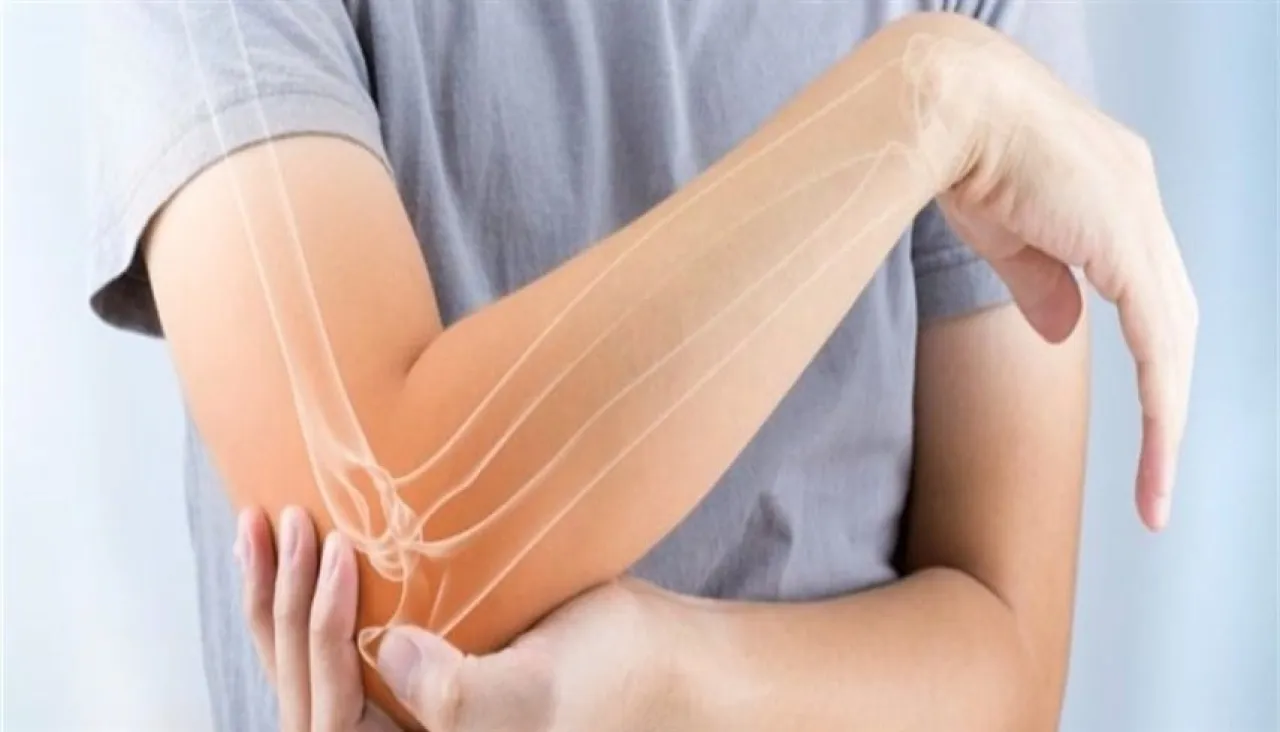
Khaberni - Although bones are among the strongest tissues in the body by weight, their fragility can make them prone to fractures due to a simple movement or even a sudden sneeze.
In the United Kingdom alone, about 76,000 hip fractures are recorded annually, a third of those affected face serious complications within a year, such as infection or heart failure. Even without fractures, bone thinning, which is most common among women, can lead to a loss of strength and independence with age.
Nutrition specialist Dr. Carrie Roxston asserts that prevention is the first line of defense, explaining that peak bone mass is formed in the mid-twenties, and what follows focuses on maintaining rather than increasing it. Meanwhile, nutrition expert Dr. Federica Amati points out that strong bones mean not just avoiding fractures but also form the basis for moving confidently and enjoying an active life.
Calcium.. The Cornerstone
Calcium is a pivotal element for the health of bones and teeth, alongside its role in regulating heartbeats, muscle contractions, and nerve signaling.
Its most prominent sources include milk and its derivatives, sardines, canned salmon, and calcium-treated tofu.
Amati warns against overuse of dietary supplements, as this may increase the risk of kidney stones or heart problems in some individuals. She notes that natural calcium sources are often sufficient if well chosen.
Protein.. An Indispensable Partner
With age, the body's ability to absorb protein decreases, negatively reflecting on bone and muscle health.
The NHS recommends an average daily intake of 45 grams for women and 55 grams for men, from diverse sources such as meats, fish, eggs, legumes, and nuts. Roxston emphasizes the importance of distributing protein throughout the day to maximize its benefits.
Vitamins.. Subtle but Essential Support
Vitamin D helps absorb and fix calcium in the bones, while Vitamin C plays an important role in forming collagen, which provides elasticity to the bones. The NHS recommends taking 10 micrograms of Vitamin D daily during the winter months, advising against the high doses that are not recommended.
Exercise.. Stimulating Internal Building
Strength and high-impact exercises, such as jumping and resistance training, stimulate bone cells to build and maintain density. Aerobic activities like walking and swimming help reduce the risk of falling but do not directly build bones. Dr. Sabine Donai explains that mixing strength training with jumping exercises weekly is sufficient to achieve significant benefits.
Snoring and Sleep Disorders.. An Unexpected Risk
Recent studies link severe snoring or sleep apnea to decreased bone density and increased risk of fragility, especially in the elderly and overweight individuals.
Physician Dhikriat Al-Juweir confirms that treating sleep disorders can contribute to reducing bone density decline, while Amati advises consulting a doctor if fatigue or loud snoring persists, as treatment not only conserves energy but also protects bone health.